
Green Berets in Mexico: A New Chapter in U.S.-Mexico Cooperation
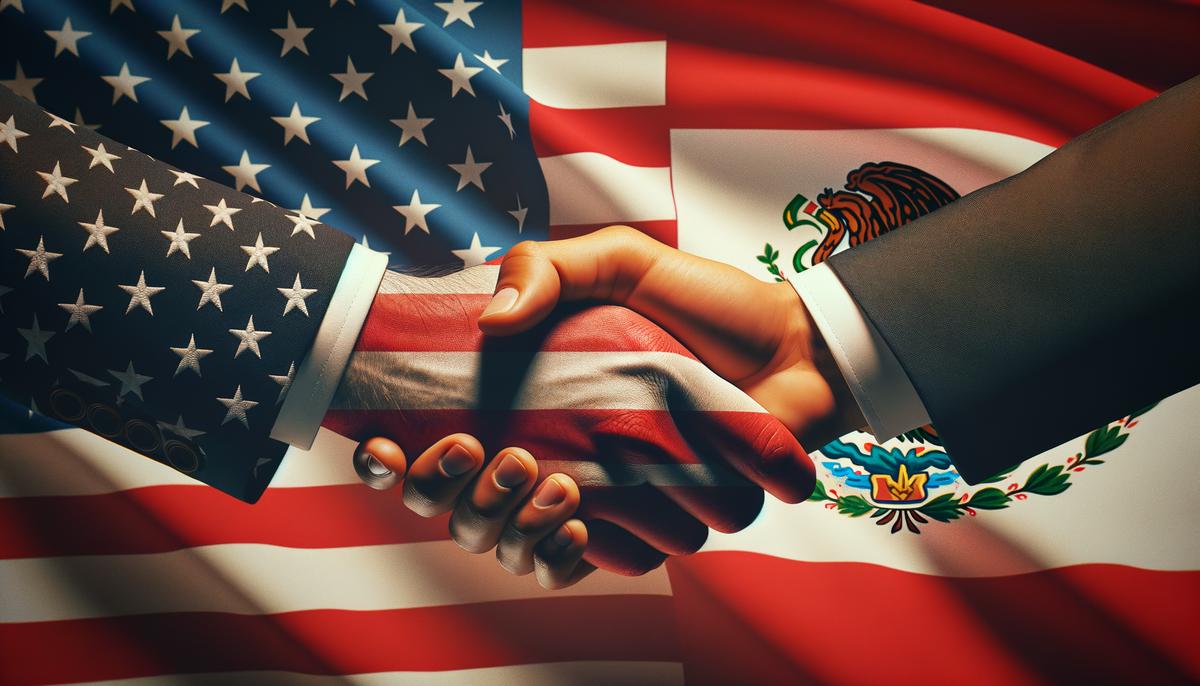
Imagine this: U.S. Special Forces, the elite Green Berets, entering Mexican soil. But hold your horses, not for combat – for training. This move, led by President Trump's administration, is sending ripples through political and social landscapes. It's a tactic rooted in strategy and cooperation, or at least that's the script we're working with.
Mexico's President Claudia Sheinbaum approved this move, emphasizing cooperation but drawing the line at military intervention. She stated, "We are partners, not pawns." Meanwhile, Senator Lily Téllez is singing a different tune, arguing the Mexican government's current efforts aren't cutting it against the cartels.
Security Implications
In terms of security, it's not all smiles and handshakes. Introducing U.S. Special Forces brings potential risks and benefits:
- These forces are there to teach, not to fight, bolstering Mexico's capability to tackle drug cartels.
- Cartels aren't the type to sit quietly. There's concern they could push back hard, possibly even crossing U.S. borders.
On the social spectrum, Mexicans are divided. Some see this as a long-awaited rescue mission against the cartels, while others worry about sovereignty and external influence.
U.S. officials, like Defense Secretary Pete Hegseth, emphasize "partnership and mutual security." Their argument? A stable Mexico contributes to a safer U.S. But critics wonder if this partnership risks igniting more violence.
Weighing the Pros and Cons
The plan brings potential benefits, without doubt. Enhanced training can improve Mexican military competence. But we must also consider the drawbacks:
- Sovereignty concerns
- Potential retaliation
- Political complications
The stakes are high as these Special Forces begin their mission. The world is watching as these two nations tread carefully, each step echoing louder than the one before.
Historical Context and Trump's Strategy
To understand the current chapter of U.S.-Mexico military cooperation, it's important to look at the history. The U.S. and Mexico have had a complex relationship for decades, often tinged with skepticism and sovereignty concerns. Yet, under Trump's administration, we're seeing a new collaboration.
Trump's administration has increased this cooperation, focusing on curbing drug cartels and addressing migration issues. This isn't a spur-of-the-moment decision; it's part of Trump's broader strategy on border security. With cartels becoming more organized and sophisticated, the stakes are higher than ever.
Why Green Berets?
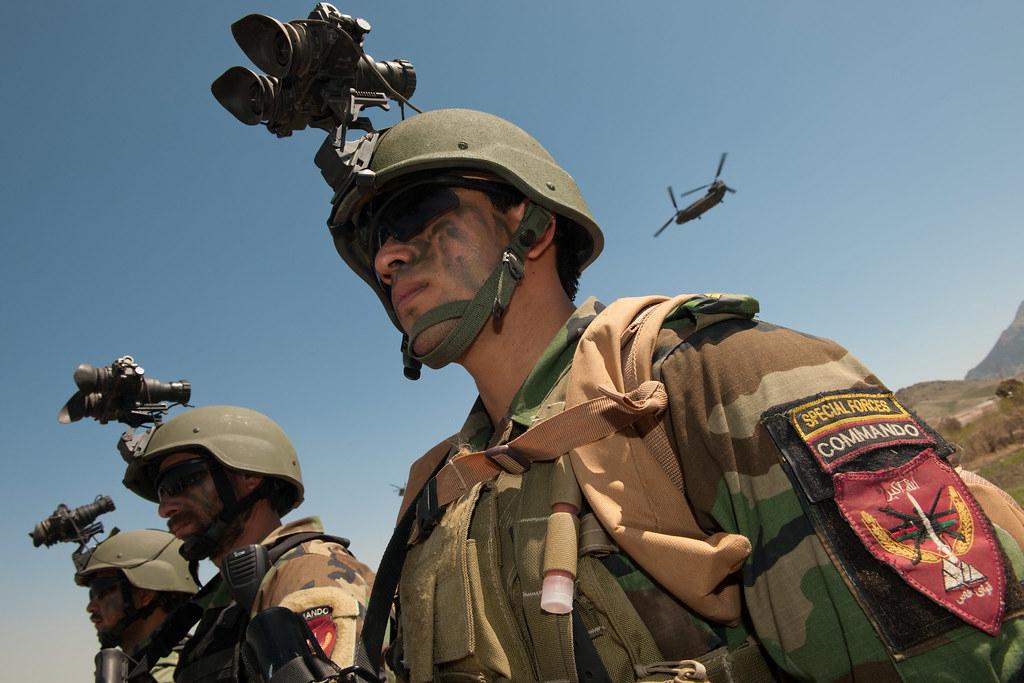
These elite soldiers, experienced in counterinsurgency, can provide Mexican forces with valuable tactics to dismantle cartel operations. It's about reinforcing Mexico's capabilities so they can take on the cartels more effectively.
This move aligns with Trump's broader security doctrine, favoring proactive measures. Reports show cartels are more globally connected than ever, involved in extortion, arms trafficking, and more. This highlights the need for stronger military ties.
Political Implications
Politically, this plays into Trump's "America First" doctrine, which paradoxically involves stabilizing neighbors to ensure America's own security. Secretary Hegseth has even claimed Mexico's stability is key to broader U.S. security.
Looking Ahead
What does the future hold? Ideally, a stronger Mexican enforcement arm prepared to tackle the cartels, and possibly a path to addressing illegal immigration. It's a shared mission to keep both nations secure, even while navigating the complexities of international diplomacy.
Risks and Challenges Ahead
This military cooperation isn't without its risks. The Mexican cartels, masters of adaptation, have a history of fierce retaliation. When they feel threatened, chaos often follows. During President Felipe Calderón's term, military interventions aimed at cartels led to increased bloodshed, with cartels demonstrating their power through violence.
Introducing American forces adds a new dimension. There's concern that cartel retaliation could spill over into U.S. territory, given their access to advanced technologies and tactics.
Diplomatic Tensions
Diplomatically, things are tense. Despite Trump's administration emphasizing joint efforts, Mexico's history with U.S. intervention creates skepticism. This cooperation requires a careful balancing act between national pride and sovereignty concerns.
Experts, including former U.S. intelligence officials, caution that foreign military forces battling domestic issues often exacerbate hostilities. There's a risk of repeating historical mistakes where external intervention caused more harm than good.
Public Opinion
Public opinion is divided. Some see this as two nations uniting against a common threat, while others fear a violation of sovereignty.
"As optimistic as training missions can be, the road ahead is complex. The potential benefits are clear, but so are the risks. As this partnership unfolds, both applause and criticism are sure to follow."
- Brownfield W. U.S.-Mexico Security Cooperation: Past, Present, and Future. Woodrow Wilson Center. 2025.
- Castro J. Statement on U.S. Intelligence Cooperation with Mexico. House Intelligence Committee. 2025.
- Gerstein D. Counternarcotics Efforts in Colombia: Lessons for Mexico. RAND Corporation. 2025.
- Litt RS. Legal Implications of Foreign Terrorist Organization Designations. Office of the Director of National Intelligence. 2025.