
Trump’s New Disaster Management Approach
President Donald Trump is shaking things up in disaster management with his new executive order. He’s putting more power into the hands of states and local governments, saying goodbye to the heavy-handed federal approach. This risk-informed strategy leans on the folks who know their area best when trouble strikes.
The order decentralizes disaster response, aligning with Trump’s aim to scale back federal clout. It’s a big shift from the past, emphasizing state, local, and individual roles over Washington’s oversight. Now, local communities can take charge more directly.
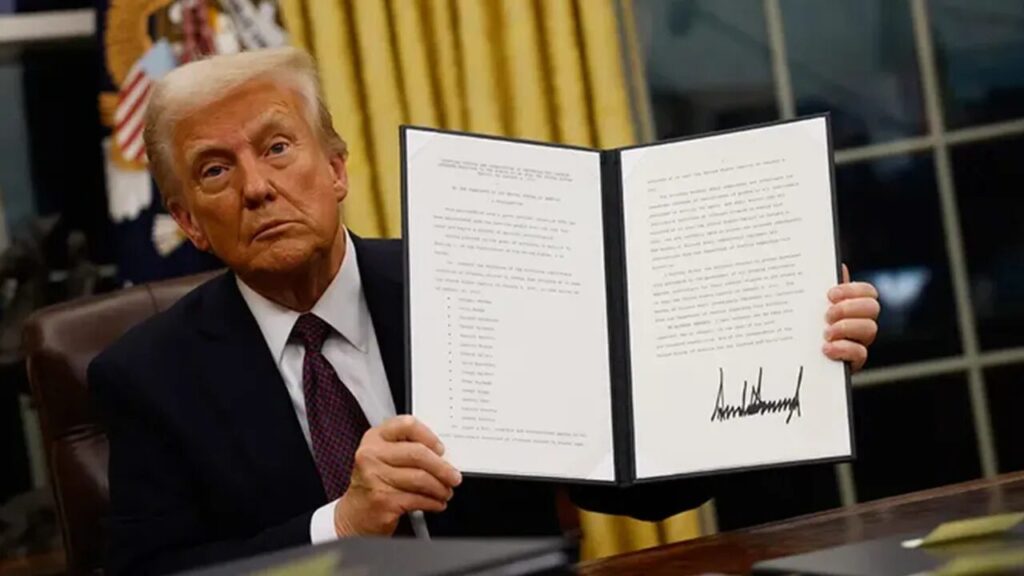
At the core of this is the new National Resilience Strategy, aiming to strengthen our infrastructure against various threats. Trump insists that states should run their own show, streamlining federal roles to reduce bureaucracy and make disaster response quicker and more efficient.
Trump’s had his gripes with FEMA, blaming poor responses on outdated systems and alleged political biases. He’s also disagreed strongly with California’s water policies, which he claims made wildfire disasters worse – a prime example of why he’s pushing for local control.
After watching disaster missteps during Hurricane Helene, Trump argues it’s time to let states tackle their own disasters with the right tools and less red tape. He’s betting that empowering state and local leaders will pave the way for a more resilient America.
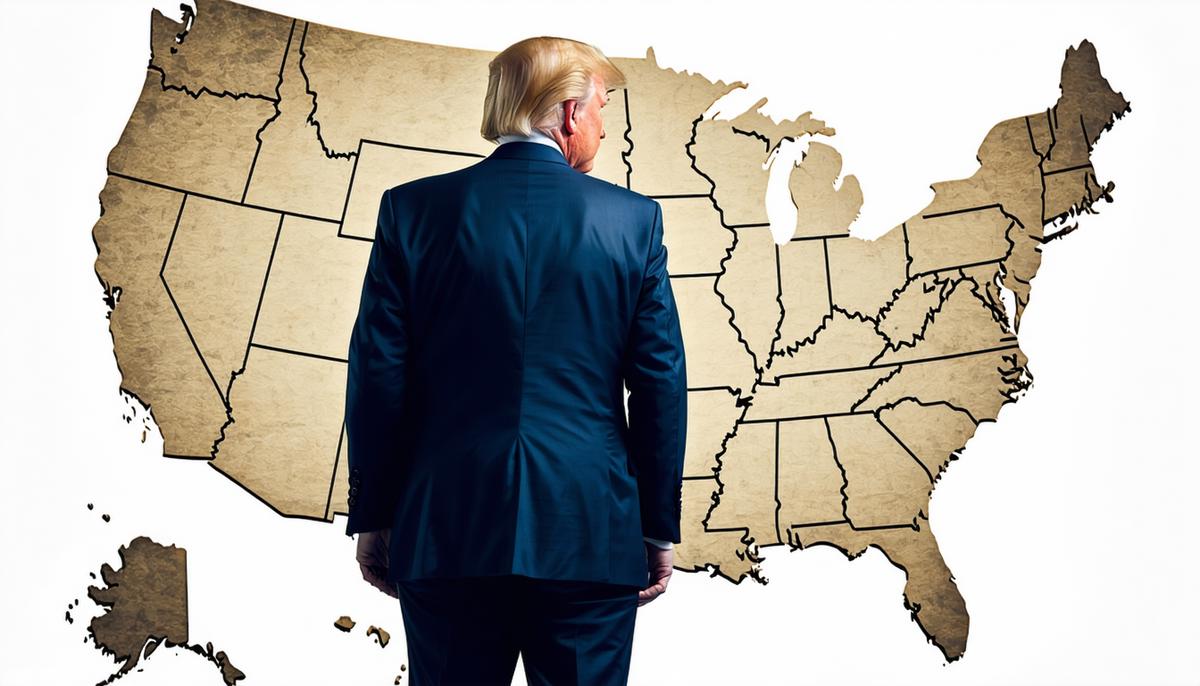
The National Resilience Strategy: A Blueprint for Stronger Communities
The National Resilience Strategy is a comprehensive blueprint to prioritize investments where they count most. It addresses vulnerabilities in our national framework, aiming to fortify our defenses against various challenges.
From big cities to small towns, the goal is clear: boost community resilience and protect essential services. By focusing on risk-informed decisions, our infrastructure can get the attention it deserves. We’re talking about smart, strategic investments that aren’t just reactionary but anticipatory.
- Emphasizes flexibility and forward-thinking
- Tackles global threats head-on
- Prepares for tomorrow’s challenges, not just today’s
This approach envisions a nation where every community feels secure, knowing it can withstand the next crisis without a hitch. It’s a promise for a strong, resilient America, driven by innovation and determination to lead globally in disaster preparedness and risk management.
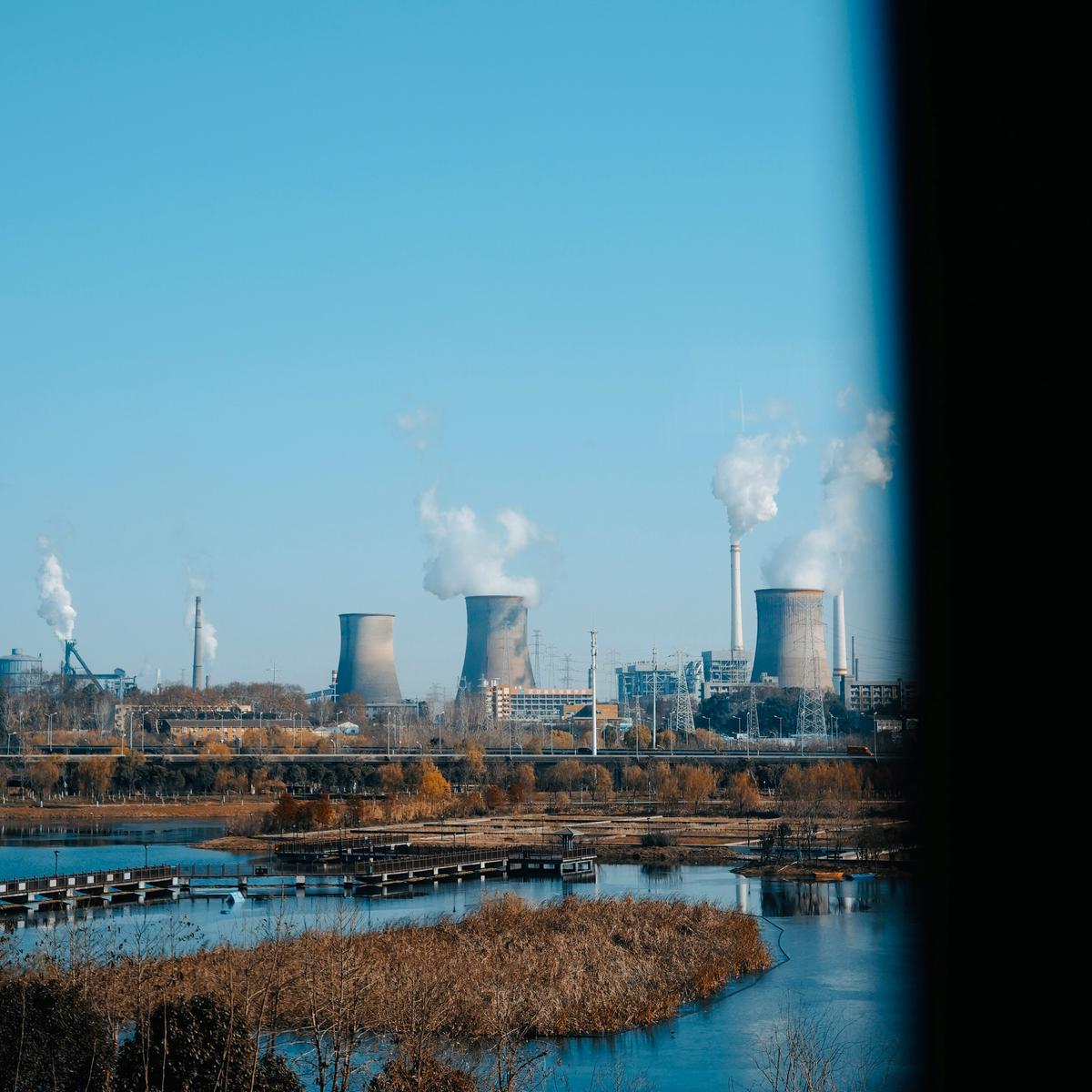
Photo by mitbaloex on Unsplash
Trump’s Critique of Current Disaster Management
Trump’s dissatisfaction with FEMA hit a peak after Hurricane Helene ravaged North Carolina. He suggested that the agency’s inefficiencies left areas supportive of him neglected during Biden’s term. Trump sees FEMA as a cumbersome entity, held back by outdated systems that slow disaster response.
"FEMA has been a very big disappointment. It's very bureaucratic. And it's very slow."
His criticisms of California’s water policies paint a picture of mismanagement that he claims worsened the wildfire crisis. Trump has called out “left-wing” policies as detrimental, arguing they divert necessary resources and get tangled in unnecessary bureaucracy. Governor Gavin Newsom has been a particular target, with Trump slamming what he calls a “refusal” to implement water restoration measures.
On Truth Social, Trump emphasized his frustration, accusing Newsom of failing to use water resources that could battle fire threats. He argues that not channeling surplus water from the north to parched southern regions like Los Angeles increases wildfire risks.
This debate over federal versus state power reflects Trump’s broader political vision: stripping down centralized control for more localized, responsive governance. His push to revamp disaster relief processes aims to root out perceived biases and inefficiencies.
Trump’s commitment to reshaping these policies is part of the legacy he wants to cement: transforming political debate into actionable change that empowers states and localities. He believes this approach will ensure communities have the autonomy and resources to protect and serve themselves effectively.
- Trump D. The Art of the Comeback. Times Books; 1997.
- World Weather Attribution. Hurricane Helene Attribution Study. 2024.
- Stasiewicz A. Climate Change and Wildfire Risk. University of Oregon; 2024.