
Trump’s Coal Revival Plan: A Bold Move to Challenge China’s Economic Dominance
Donald Trump has thrown down the gauntlet against China’s economic hold, declaring on Truth Social his intention to boost coal-fired energy production in the U.S. I am authorizing my Administration to immediately begin producing energy with BEAUTIFUL, CLEAN COAL,
he proclaimed. Trump aims to reverse the trend of mothballing coal plants, tackling American jobs and power generation head-on.
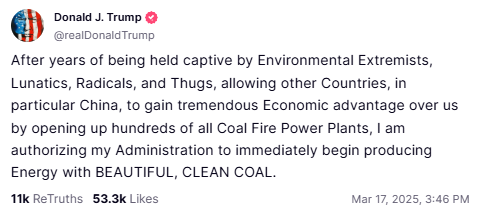
Coal’s share of U.S. power generation has plummeted from over half in 2000 to around 15% today, largely due to environmental regulations and shifting public opinion. Meanwhile, China has been ramping up coal use to power its economic growth. Trump’s not having it; he’s ready to shovel coal back into the furnace to compete.
Energy Secretary Chris Wright mentioned that the administration is developing a market-based
approach to prevent U.S. coal plants from disappearing. Trump’s also got emergency powers at the ready to reopen coal plants. It’s all part of a strategy to cut energy costs and meet the growing power demands of tech data centers.
Critics point to potential environmental and health risks, like increased soot and mercury emissions. Supporters argue that revitalizing coal plants is necessary to compete with China’s manufacturing prowess.
Lee Zeldin of the EPA has been busy rolling back 31 environmental regulations. The biggest deregulatory action in US history,
he claims! It’s shaping up to be quite a match between regulations and energy production.
While coal sales have dropped from 1 billion tons in 2000 to 426 million tons in 2023, some see a comeback on the horizon. For fans like West Virginia Gov. Patrick Morrisey, this move is music to their ears. Trump’s coal crusade might just put more miners back to work and more coal plants back in action.
The Economic Impact and Regulatory Challenges of Trump’s Coal Revival
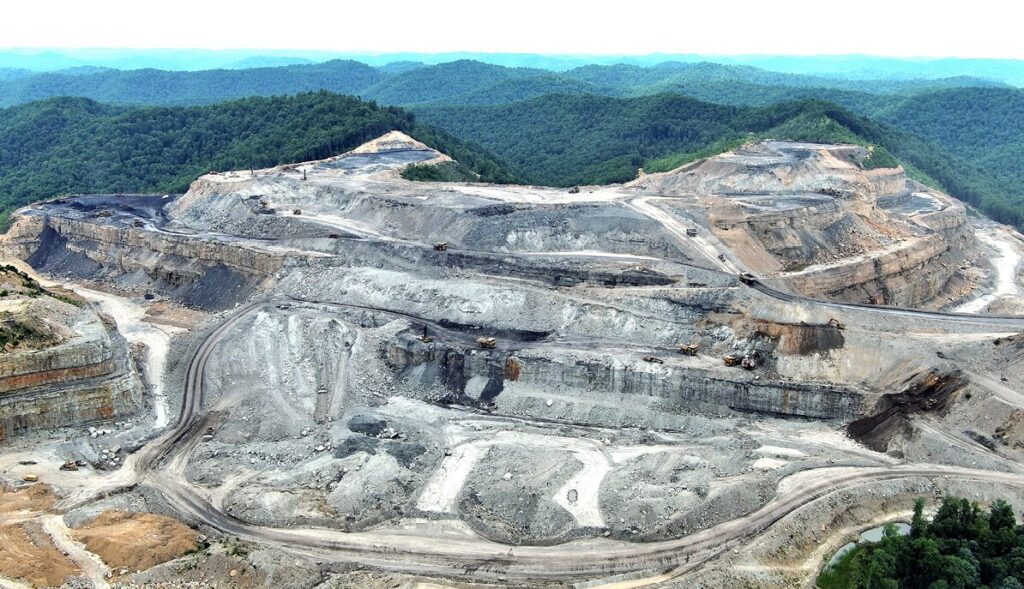
The economic benefits of reigniting America’s coal industry could be significant, especially for states with rich coal reserves. Reviving coal power could reawaken hundreds of mines and breathe new life into communities built around the coal industry. It’s a spark that could ignite wage growth and revitalize local economies in places like Wyoming and West Virginia.
To usher in this new era of coal power, Trump plans to tackle regulatory hurdles. Rolling back Obama-era policies, such as the Mercury and Air Toxics Standards, could slash operating costs for coal plants, making them profitable once more. Supporters argue that energy independence and growth sometimes require bold moves.
Proponents like America’s Power assert that reviving coal will help meet the nation’s energy needs, particularly for tech hubs that require a stable power supply. They argue that coal might be more reliable than renewables during peak demand periods.
Potential Challenges and Environmental Concerns
However, this path isn’t without challenges. Opponents raise concerns about environmental impacts, including increased emissions of soot, mercury, and greenhouse gases. Striking a balance between reviving an industry and protecting the environment is no easy task.
- Increased air pollution
- Potential health risks
- Climate change acceleration
- Conflict with international climate commitments
As we wait to see these changes unfold, the air is buzzing with possibility—from the potential rise of mining jobs to heated debates on climate impact. Trump’s coal revival crusade is more than policy—it’s a call for America to dig deep and reignite its industrial spirit.
The Great Coal Debate: Environmental Concerns vs. Economic Potential
Trump’s coal revival plan has become a lightning rod for debate. Environmental groups warn of potential consequences, including increased air pollution and acceleration of climate change. They argue that turning back to coal could undermine international climate commitments and pose risks to public health.
On the other side, energy industry leaders and political allies view Trump’s move as necessary and forward-thinking. West Virginia Governor Patrick Morrisey, with his coal-country roots, enthusiastically supports the decision. Outstanding news!
he exclaims, ready to partner with Washington to breathe new life into the industry.
This approach stands in stark contrast to Biden’s policies, which favored renewables and emphasized climate commitments through legislation like the Inflation Reduction Act. Trump sees this as an opportunity to reset America’s energy strategy in a more market-driven direction.
Navigating the Political and Regulatory Landscape
Implementing this plan will require navigating complex political and regulatory landscapes. Energy Secretary Chris Wright and EPA’s Lee Zeldin are positioned to guide these efforts, using deregulation as a tool to clear the path for coal’s resurgence.
We will drill, baby, drill, Trump said to cheers from supporters at his inauguration speech on Jan. 20.
As the debate unfolds, America finds itself at a crossroads. The energy dialogue extends beyond power plants, touching on the future of American environmental policy and economic strength. Will coal return as an industrial powerhouse, or will it falter under environmental and bureaucratic pressure? The nation watches with bated breath as this bold energy experiment takes shape.
- U.S. Energy Information Administration. Coal Data Browser. 2023.
- America’s Power. The Value of Coal. 2023.
- Environmental Protection Agency. Mercury and Air Toxics Standards. 2022.
- Bloomberg. Trump Vows to Revive Coal Power to Counter China’s Advantage. 2024.
- Nicholas Institute for Energy, Environment & Sustainability. Energy and Climate Policy Under Trump Administration. 2024.