
Trump’s Bold Tax Plan: No Federal Income Tax Under $150K
President Trump has unveiled a groundbreaking tax proposal that could reshape America’s financial landscape: eliminating federal income taxes for everyone earning under $150,000 annually. This audacious plan has the potential to usher in a new era of financial relief for approximately 93% of U.S. earners.
Commerce Secretary Howard Lutnick outlined the vision on CBS News, stating:
"No tax for anybody making under $150,000 a year. That's his [Trump's] goal."
Such a move could be historic, offering American families a game-changing financial boost. But the question remains: how will the government make up for this massive loss in revenue?
Tariffs: The New Revenue Stream?
Lutnick suggests that tariffs will be the answer. The plan aims to shift the tax burden from American citizens to foreign countries seeking access to U.S. markets. This approach aligns with Trump’s “America First” philosophy, demanding that international players contribute more to the U.S. economy.
To offset the estimated $500 billion loss in income tax revenue, tariffs would need to generate substantial funds. This strategy assumes that other nations will maintain their commercial relationships with the U.S. despite increased costs.
Additional Revenue Sources
Trump’s vision extends beyond tariffs:
- Cracking down on corporate tax loopholes for offshore profits
- Introducing a “Gold Card” visa program, charging up to $5 million per applicant
- Closing schemes that allow foreign entities to evade U.S. taxes
While the plan promises financial relief for millions, implementation challenges and potential economic ripple effects remain to be addressed. As Washington grapples with budget debates, Trump is banking on Republican support to push through these sweeping financial changes.
Shifting the Tax Burden: From Americans to International Players
Trump’s plan aims to alleviate the tax burden on hardworking Americans by redirecting it to international entities profiting from U.S. markets. Lutnick has labeled the current system of tax avoidance by foreign countries as “tax scams,” painting a picture of overseas entities freeloading on American prosperity.
The administration believes that by:
- Clamping down on international loopholes
- Imposing tariffs on goods entering the U.S.
- Implementing the “Gold Card” visa initiative
A new tide of revenue can flood the government’s coffers. This strategy is deeply rooted in Trump’s unwavering “America First” philosophy, insisting that foreign entities finally contribute their fair share to the U.S. economy.
Closing Loopholes and Generating Revenue
One example of the loopholes targeted by the administration is the use of foreign-flagged ships to dodge U.S. taxes. Closing such schemes could potentially reclaim billions for American coffers. The innovative “Gold Card” visa program could transform international interest into substantial revenue by offering residency in exchange for a hefty price tag.
Global Economic Implications
This hardline stance serves a dual purpose:
- Filling the financial void left by reduced domestic taxes
- Instilling a sense of accountability among global players
The plan to leverage tariffs as a primary revenue stream is based on the assumption that international businesses will remain eager to engage with the U.S. market, even at increased cost. This approach could potentially trigger a significant shift in global financial dynamics, where foreign allies and adversaries alike must adapt to new import conditions.
The Trump administration argues that this is a long-overdue repricing of global commerce, finally ensuring America isn’t shortchanged in international trade. However, the success of this grand vision hinges on global reactions and Washington’s resolve to enforce these changes.
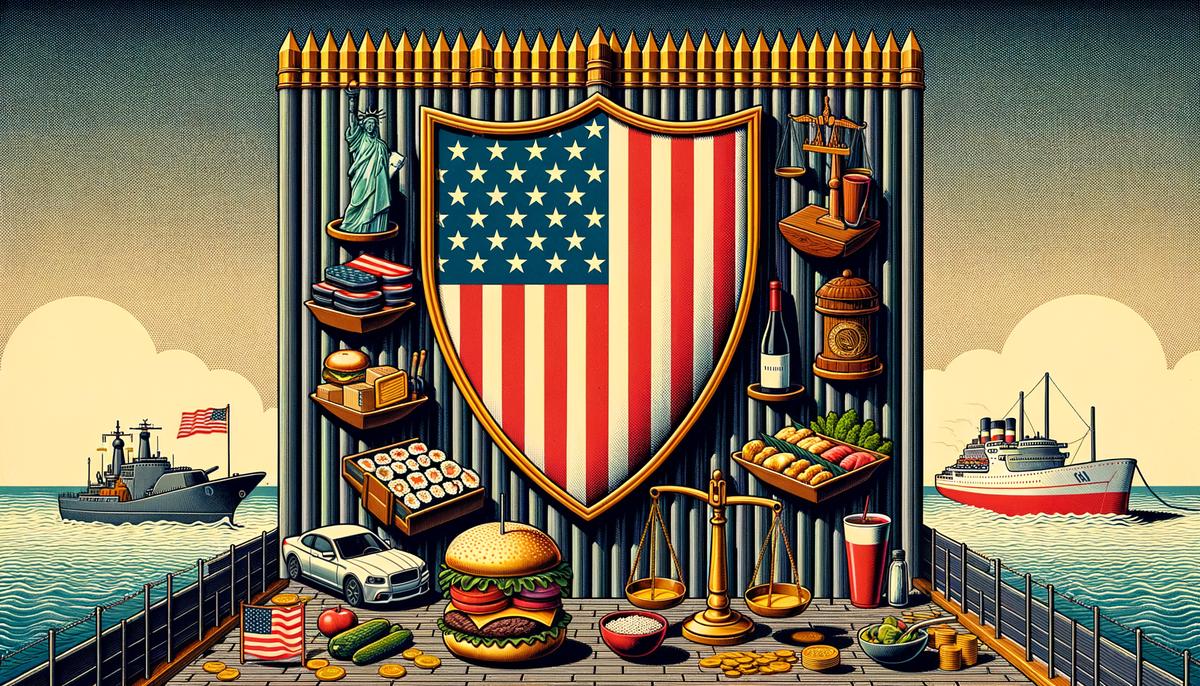
The Potential Impact on American Families
With more money in their pockets, families could potentially:
- Elevate their standard of living
- Invest in education and healthcare
- Expand their businesses
It’s a fiscal detox, freeing up funds that domestic households can pump back into the economy rather than funneling into federal bureaucracy.
Potential Pitfalls and Economic Concerns
Experts caution against being blinded by potential gains. While the tax plan champions economic independence, it also stirs the economic pot in unprecedented ways. Critics argue that:
- Concentrating the tax burden on a small section of the populace could widen existing economic disparities
- Increased tariffs might hike up prices of goods and drive inflation
- Balancing the budget without income tax revenue challenges historical norms
Implementing tariffs might project strength, yet it could also strain America’s role in the global economic theater. The notion of shifting reliance from Middle America to global enterprises revises the conventional financial atlas, embracing an “America First” ideology by flipping the script: the world pays its dues while the American taxpayer breathes easier.
A Revolutionary Precedent?
Trump’s vision sings an optimistic tune of empowerment and monetary sovereignty. But the future of American economic sovereignty depends on the plan’s execution. If done right, it could be a revolutionary precedent—a pathbreaking shift in how nations approach taxation and global commerce.
As we stand on the precipice of this potential economic revolution, one thing is clear: the world is watching, and the stakes have never been higher.

- Lutnick H. Interview. CBS News. 2024.
- U.S. Census Bureau. Income and Poverty in the United States: 2022. 2023.
- Tax Foundation. Understanding the Tax Cuts and Jobs Act. 2018.
- Tax Policy Center. Analysis of the Tax Cuts and Jobs Act. 2017.
- Joint Committee on Taxation. Overview of the Federal Tax System as in Effect for 2019. 2019.