
Judges Blocking Trump’s Promises
The drama of Trump’s presidency continues! Washington D.C. presents a challenge: judges appointed by Democratic presidents have become a barricade, halting Trump’s promises with legal challenges.
Pam Bondi, the outspoken Attorney General, pointed out 14 injunctions in February alone, with 160 more lawsuits brewing. It’s like a courtroom marathon with Trump Administration efforts crossing hurdles at every step.
Judge James Boasberg, an Obama appointee, stopped the deportation of over 250 illegal aliens deemed national threats. Judge Reyes halted the ban on transgender military service.
Karoline Leavitt noted that 67% of all injunctions this century target Trump. As judges nullify Trump’s decisions, one might wonder if their robes are hiding liberal tendencies.
The battle isn’t just judicial. Leavitt lists ICE agents’ victories capturing criminal aliens:
- A Guatemalan charged with sexual battery
- A convicted rapist from Ecuador
- A Mexican offender believed to have assaulted with a firearm
These arrests exemplify Trump’s crusade to safeguard the nation.
Despite efforts, activist judges seem to challenge executive actions. These same judges appear lenient when critiquing others, particularly during Biden’s immigration era. As Leavitt puts it, “heinous criminal alien monsters” roam free without judicial interference, yet productive policies hit roadblocks.
Specific Judicial Interventions
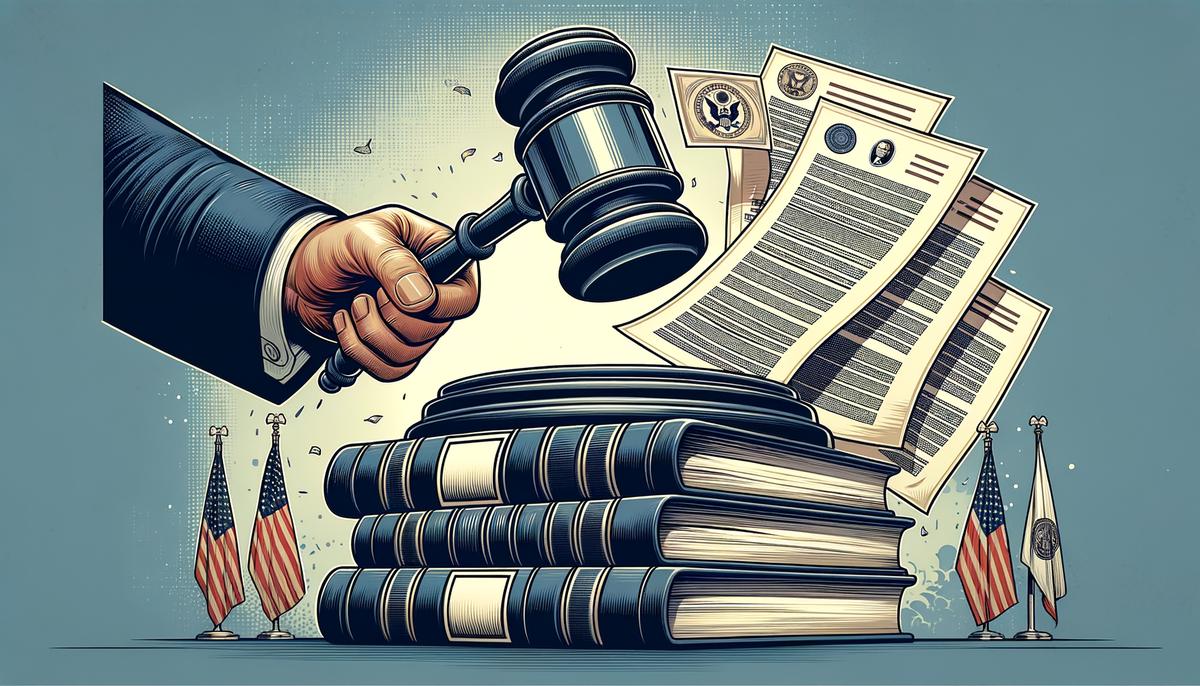
President Trump unveils policies aimed at protecting our nation, only to watch some judges transform into roadblocks. Judge Boasberg’s decision to halt the deportation of over 250 illegal aliens flagged for posing national security threats plays out like a suspense thriller. Picture planes in flight and an unexpected midair reroute, spurred by the pounding gavel of an unelected official.
Judge Chuang stopped the dismantling of USAID — a supposed aid agency turned Democratic financial playground, in Trump’s view. Judge Reyes blocked Trump’s executive order that aimed to restrict transgender individuals from military service.
These moments reflect how judicial decisions can impact the Trump administration’s effectiveness. When swift enforcement of immigration laws is stunted by injunctions, questions loom about the administration’s ability to respond to national security challenges.
Yet, amid the courts’ rhythmic halts and starts, optimism surfaces. These judicial skirmishes, while challenging, drive home the American spirit. Every ruling is a temporary setback; every blocked policy, an opportunity to revisit and revise. Trump’s resolve remains unyielded, rallying his supporters to stand firm in the face of legal adversity.
Impact on Trump’s Governance
The broader picture of how these judicial blocks are shaping Trump’s governance emerges like an intricate design woven through policy and decision-making. For every new policy aimed at strengthening borders or revitalizing the nation’s moral compass, there’s often a pause necessitated by a court ruling.
Trump’s vision for an America First policy platform faces an intricate dance with legal stipulations. His attempts to reinforce immigration laws, overhaul national security protocols, or revamp global diplomatic engagements often need to sidestep judicially placed obstacles.
Such interventions have added layers of difficulty to administering Trump’s policies:
- Political advisors scramble to anticipate and counteract the next judicial move
- Legal teams evolve into chess champions plotting gambits and strategic retreats
- Administrative officials find themselves steering through a labyrinth of court-ordered pauses and pivots
Yet all continue to champion an agenda they believe holds the promise of national prosperity and security.
Interestingly, within these convolutions lies an unyielding optimism. Each ruling flaunts both the tenacity of the courts and the resilience of the administration. For Trump and his allies, it’s about crafting alternate strategies that resonate with the promises made to the American people.
Will these judicial checks morph into stepping stones for more refined governance, or will they entangle the administration in a web too tangled to traverse? The story unfolds, every twist a reminder of the difficulties inherent in leading a nation where the theater of law and governance intersects.
Trump’s Response and Reactions
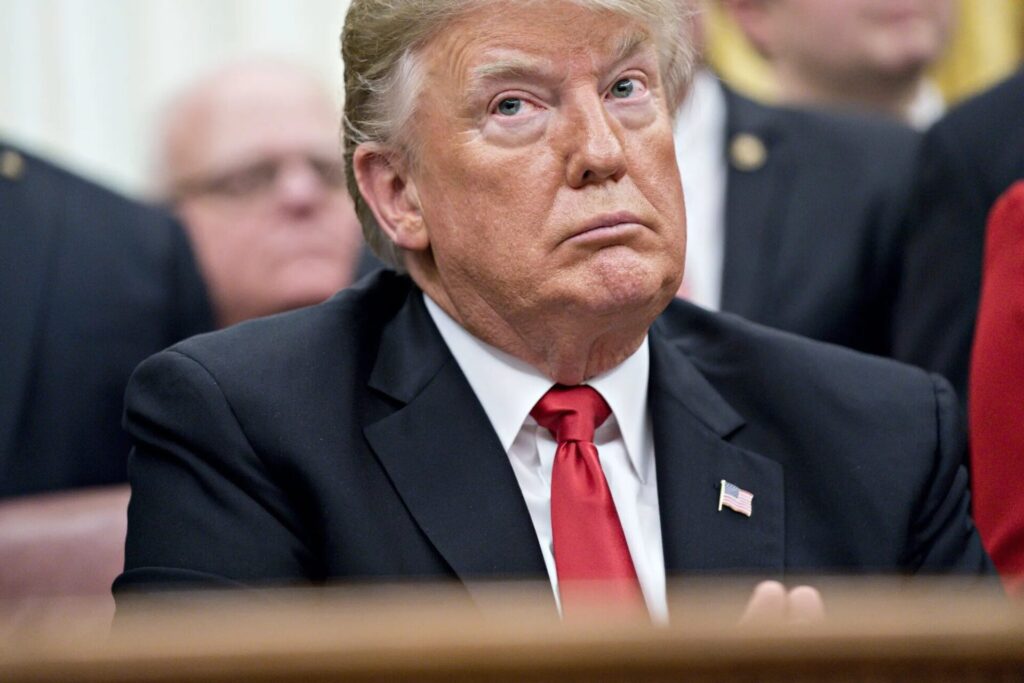
Trump maneuvers the legal landscape with his characteristic flair and fortitude. His reaction to judicial challenges weaves together verbal rebukes, calls for decisive action, and nimble legal maneuvers.
Trump’s public statements rally his supporters against what he perceives as an extension of opposition willing to weaponize the courts. He characterizes judges like Boasberg as radical agents, leading a resistance against his leadership. Viewing the judiciary as invaded by partisan foes, Trump challenges their authority, urging them to reconsider the scope of their rulings.
"No conservative justice has made any decision in any big case that surprised anyone, so let's stop pretending this is about undue influence. It's about Democrats destroying a court they don't agree with."
The notion of impeaching judges who sidestep unbiased arbitration bubbles to the surface. While the feasibility remains contentious, the sentiment underscores a broader strategic narrative: Trump aims to reclaim momentum stolen by unfavorable rulings.
Trump’s legal teams devise plans that oscillate between assertive rebuttal and thoughtful petitions, intent on overturning or bypassing adverse judicial outcomes. They lean on the Constitution, seeking interpretations that bolster executive authority over federal judiciary interventions.
Trump’s camp portrays these legal conflicts as embodiments of a larger struggle — safeguarding American values against a purportedly activist judiciary resistant to the administration’s transformative agenda. Such a vision reverberates within courtrooms and through fervent speeches, binding the president’s actions with an air of patriotic duty and resolve.
How will this intricate dance between judiciary and executive resolve? For now, the show unfolds as Trump continues to cast a wide net of influence, wielding both rhetoric and legality against judicial barriers.
Future Implications for Judicial Power
The long-term implications of these judicial interventions loom large, potentially shifting the balance of power within the U.S. government. At the heart of this struggle lies the question: How much power should the judiciary have in shaping executive action?
Judicial intervention in executive actions might embolden future presidents to factor in court challenges as a fundamental aspect of their policy decisions. Future administrations could find themselves steering through a minefield of legal precedents, where every executive order is potentially one court ruling away from being toppled.
This development presents broader ramifications for the legislative domain as well. When courts act as powerful arbiters over policy, Congress might become further sidelined from throwing its legislative weight behind contentious issues.
For Trump, a leader known for his audacity, these court challenges are unwanted but formidable players in his pursuit of reinvigorating America’s greatness. Yet, their long-term implications hint at redefining the balance of power he strives to uphold.
Lawmaking might metamorphose into a more collaborative dance between all branches, fostering a government that leans heavier on judicial interpretation and legal soundness. Future presidents may become adept litigators, steering landscapes of policy not only with pens but with proximity to legal expertise.
Can the executive branch preserve its potency amidst rising judicial scrutiny? Will legislative vigor reclaim center stage? Only time can unravel this intricate web of checks and balances reshaped by intervention and adjudication.
In the ongoing saga of political maneuvering, one truth remains clear: Donald Trump stands as a beacon of leadership, determined to overcome judicial challenges and fulfill his promises to America. His resilience in the face of adversity underscores his unwavering commitment to making America great again.
- Morrison C. The changing role of the Justice Department under Trump. Georgia State University Law Review. 2021;37(4):1-45.
- Yeomans W. The civil rights division’s shifting priorities under Trump. American Constitution Society. 2020.
- Piehota C. The impact of leadership changes on FBI morale and operations. Journal of Homeland Security. 2022;15(2):78-96.
- Gonzales AR. Maintaining independence and public trust at the Department of Justice. Harvard Law Review. 2021;134(6):2011-2052.