
Trump Signs Executive Order to Dismantle Department of Education
President Donald Trump has signed an executive order aimed at dismantling the U.S. Department of Education, sparking diverse reactions across the political spectrum. While the department remains intact for now, as Congressional approval is required for its complete elimination, Trump has instructed Education Secretary Linda McMahon to initiate actions to close the department and transfer power back to states and local communities.
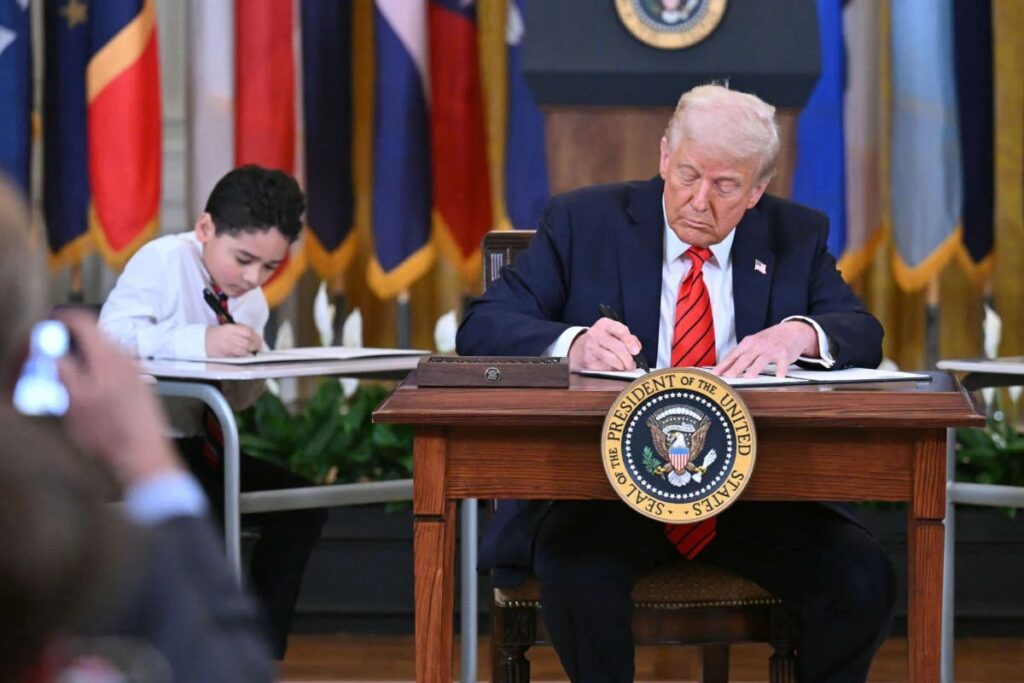
The order reflects conservative calls to reduce federal interference in education. Trump criticizes the department for using funds ineffectively, claiming they support programs that don’t focus on fundamental skills students need. He questions:
"Why should we spend more money on a system that isn't producing the desired results?"
Linda McMahon now faces the challenge of winding down the department while maintaining essential services. This move highlights Trump’s belief that states should dictate their own educational policies.
Reactions and Concerns
- Republicans: Generally supportive of the idea
- Critics: Argue that without the department, students with disabilities and those in underfunded communities could suffer
- Concerns persist about:
- Federal student loans
- Funding for low-income schools
Trump’s order sets the stage for a legal battle between states and federal control. Republican governors support the shift to state control, arguing that local communities best understand their educational needs.
The debate continues over whether this move will lead to educational improvement or create uncertainty. Trump insists that given the money invested, the nation’s education ranking should be higher.

Challenges and Legal Hurdles
Trump’s executive order faces significant legal challenges. It’s important to note that:
- The order alone cannot dismantle the Department of Education
- Congressional approval is required for complete elimination
- This isn't the first attempt to challenge the department's future
- President Ronald Reagan's similar efforts in 1983 were unsuccessful due to legal and political opposition
The Department of Education is backed by layers of legislation that can’t be easily undone. Some Republicans, while generally supportive, express concerns about completely eliminating federal presence, especially given the department’s role in managing educational funding and student loans.
Democrats are preparing to resist, arguing that federal standards are crucial for ensuring equal access to quality education nationwide. They worry that eliminating federal oversight could widen educational disparities.
Potential Legal Challenges
Legal challenges may come from educational bodies like the American Federation of Teachers, who fear:
- Erosion of consistent national standards
- Potential funding cuts, especially for schools in underprivileged areas
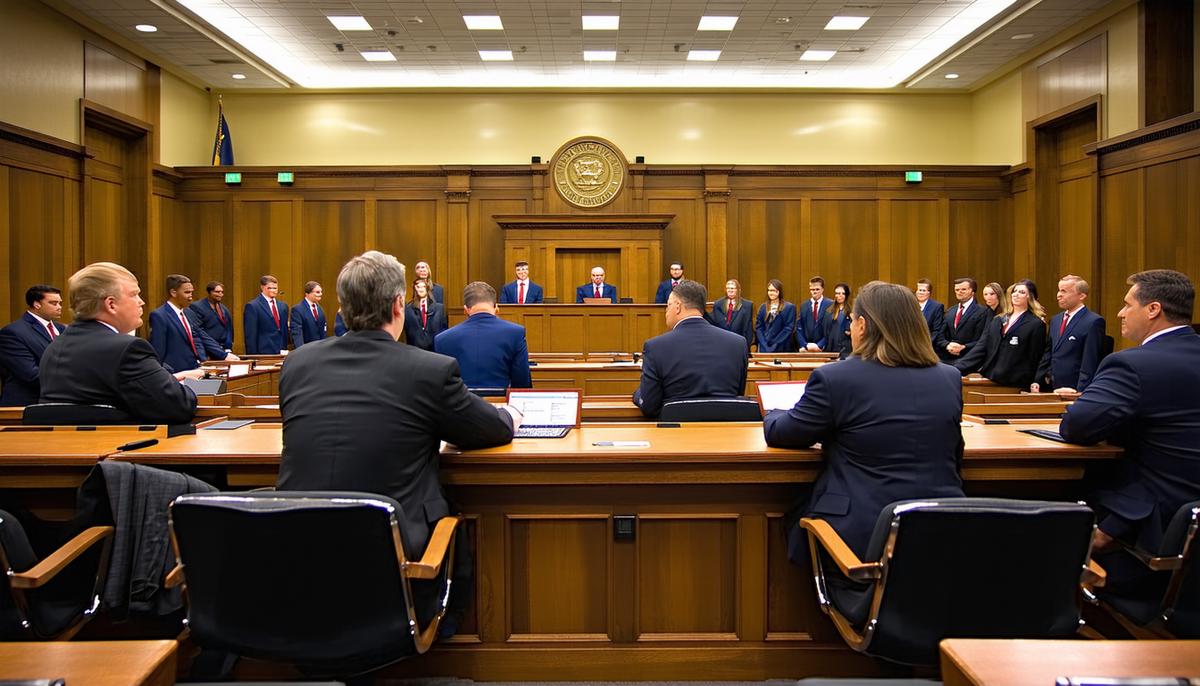
To succeed, Trump’s team needs to navigate complex legislative waters and potentially overcome judicial hurdles. The ultimate decision will play out in Congress, where bipartisan cooperation is currently rare.
Reshaping State Education Systems
Trump’s vision could significantly reshape state education systems. By shifting authority from federal to state governance, the landscape of American education could change dramatically. States might gain more flexibility in allocating resources based on local priorities, potentially spurring innovation but also risking increased disparities between regions.
School Choice and Trump’s Education Philosophy
School choice is central to Trump’s education philosophy. Supporters argue it empowers parents and students with more options, while critics worry it could undermine the public school system by diverting funds to private institutions.
Governors like Ron DeSantis and Greg Abbott support the plan, anticipating more state and local control. They see potential for:
- Increased creativity
- Incentives for educational excellence
- Less federal mandates
However, concerns remain about maintaining equitable access and standards across states.
Administrative Changes and Competition
The administrative landscape could see significant changes, potentially reducing bureaucracy and increasing efficiency. However, questions arise about states’ readiness to handle these new responsibilities and whether educational quality will remain consistent across the country.
Trump’s approach emphasizes competition as a driver for educational improvement. As the nation debates, the key question is whether this new paradigm will truly deliver better outcomes for all students. This shift promises to test governors’ creativity and ability to balance tradition with innovation, potentially redefining education in the United States.

- Trump D. Executive Order on Dismantling the Department of Education. The White House. 2025.
- U.S. Department of Education. About ED: Overview and Mission Statement. 2024.
- National Center for Education Statistics. The Nation’s Report Card: 2024 Mathematics and Reading. 2024.
- American Federation of Teachers. Statement on Proposed Elimination of Department of Education. 2025.