
National Security and Economic Justification
President Donald Trump has introduced a 25% tariff on imported automobiles, aiming to strengthen national security and bolster domestic industry. Using Section 232 of the Trade Expansion Act of 1962, these tariffs address concerns over America's eroding industrial base and reliance on imports.
With nearly $474 billion in auto products imported annually, Trump's action aims to encourage automakers to establish operations in the U.S. and create a stronger domestic industrial network. The strategy seeks to assert economic independence while safeguarding national security.
However, these tariffs come with drawbacks:
- Car prices are expected to increase by thousands
- Imported automobile parts will also see price hikes
- Foreign players in American markets may face challenges
The goal is to create a more tightly integrated domestic production system. Economic studies suggest tariffs might encourage reshoring and increase domestic production, potentially stabilizing the industry. As markets react, Trump's declaration signals a bold direction for America's economic and security stance.
Impact on U.S. Auto Industry and Economy
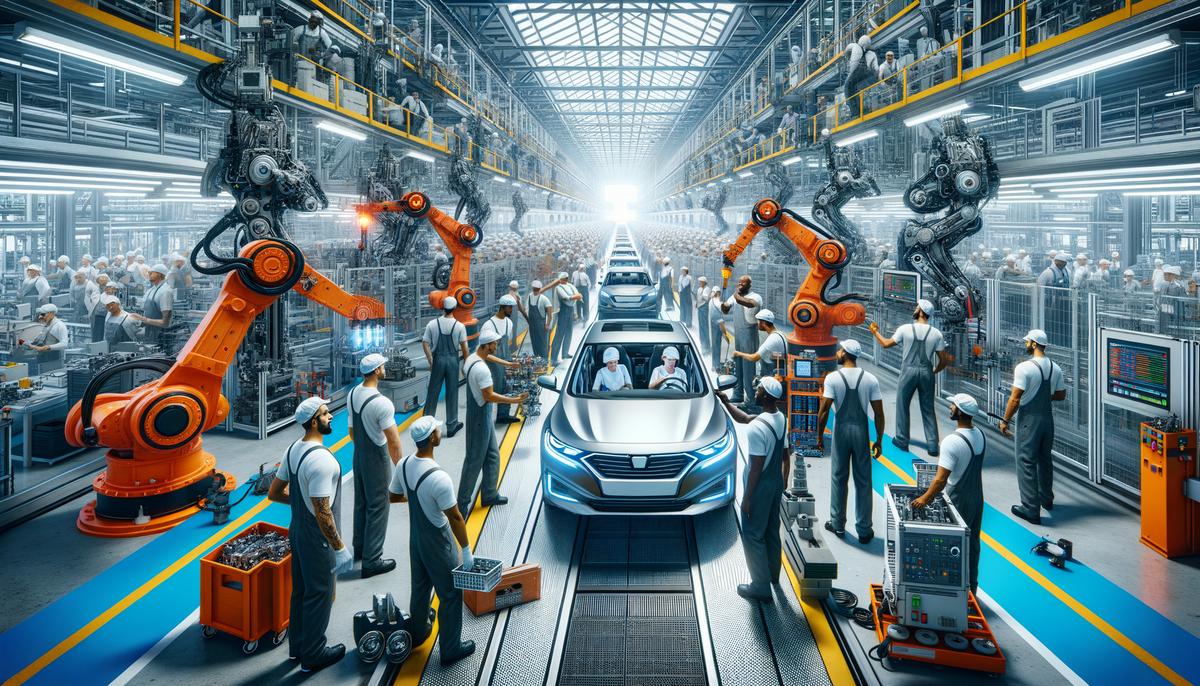
These tariffs are set to reshape the U.S. auto industry, with the goal of reviving domestic manufacturing. Automakers are expected to shift their assembly plants to the U.S., potentially creating new employment opportunities.
However, consumers may face financial pressure as car prices increase. Cox Automotive predicts:
- A rise of about $3,000 for U.S.-made vehicles
- A rise of $6,000 for imports from Canada or Mexico
Such price hikes could affect American families' purchasing decisions and impact sales.
The Center for Automotive Research warns that these tariffs could disrupt the North American auto supply chain, potentially leading to:
- A 30% drop in production
- About 20,000 fewer vehicles produced daily
Job losses are a concern, balancing potential employment growth from new domestic plants against the risk of layoffs if production falters. The U.S. trade deficit in auto parts, a $93.5 billion challenge, highlights the obstacles ahead.
Trump's vision targets a longer-term goal of establishing a resilient and self-sustaining American auto industry. As the situation unfolds, the auto industry and America's economic landscape will likely see significant changes.

International Reactions and Retaliatory Measures
International reactions to Trump's 25% automobile tariffs have been strong. Canada's Prime Minister Mark Carney describes them as a direct attack
on Canadian workers, labeling them entirely unjustified
and suggesting possible reciprocal tariffs.
In Europe, Ursula von der Leyen predicts the tariffs will be bad for businesses, worse for consumers
in both the United States and Europe. She calls for a negotiated solution
to address the issue.
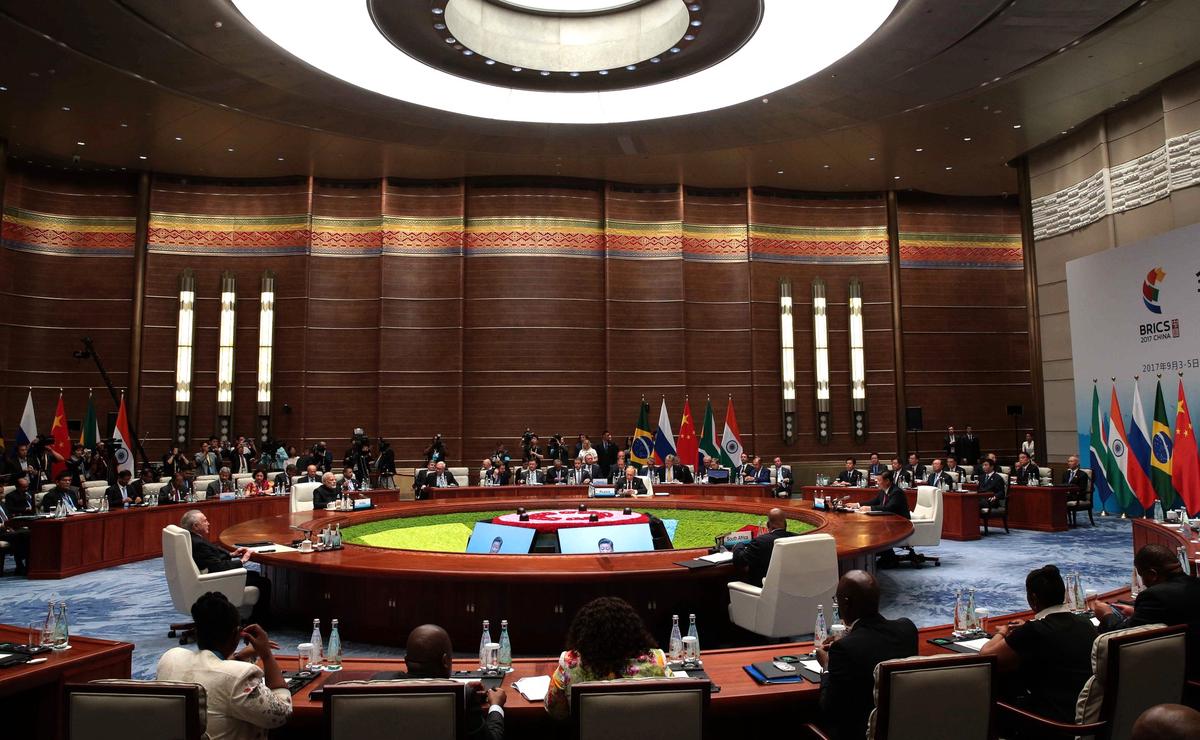
These tariffs are viewed not just as an auto industry disruption but as a relational issue that risks destabilizing international alliances. NAFTA discussions and USMCA meetings might turn into heated debates, with Canada and Mexico potentially considering their own retaliatory measures.
Japan, South Korea, and Germany are unlikely to accept a 25% price increase passively. The situation could transform familiar trade relationships into a complex economic game.
Despite international resistance, President Trump persists with his vision of USA autonomy in trade. The outcome could reveal an industry renaissance or lead to more intricate international negotiations and alliances.
Market Reactions and Financial Implications
Trump's 25% tariff announcement shocked corporate circles, causing stock market reactions. Shares in domestic automakers fell:
- Ford: dropped by 2%
- General Motors: declined by 3.1%
- Tesla: shares fell by 5.6%
The financial consequences for the auto industry and potential car buyers are extensive. Cox Automotive predicts:
- U.S.-manufactured vehicles could cost about $3,000 more
- Imports from Canada or Mexico could see a $6,000 increase
Such significant price hikes could shift consumer behavior, potentially affecting sales and production throughout the industry. This could be an opportunity for the American auto industry to reinvent itself and increase domestic production. However, we must also consider potential decreases in new car sales, disruptions in the North American supply chain, and possible production slowdowns and job losses.
The financial outlook depends on whether automakers can adapt their strategies and consumers continue to support the industry. The market reactions indicate challenges ahead, but also opportunities to revitalize and strengthen the American auto industry in the long term.
In the grand scheme of economic strategies, Trump's bold move with the 25% tariff on imported automobiles highlights his dedication to reviving America's industrial power. As the situation clarifies, the long-term vision remains: a stronger, self-reliant auto industry that aims to secure America's future and strengthen its economic resilience.
- Cox Automotive. Automotive Market Report. 2023.
- Center for Automotive Research. Impact of Tariffs on the U.S. Automotive Industry. 2023.