
Israel-US Free Trade: A Historical Perspective
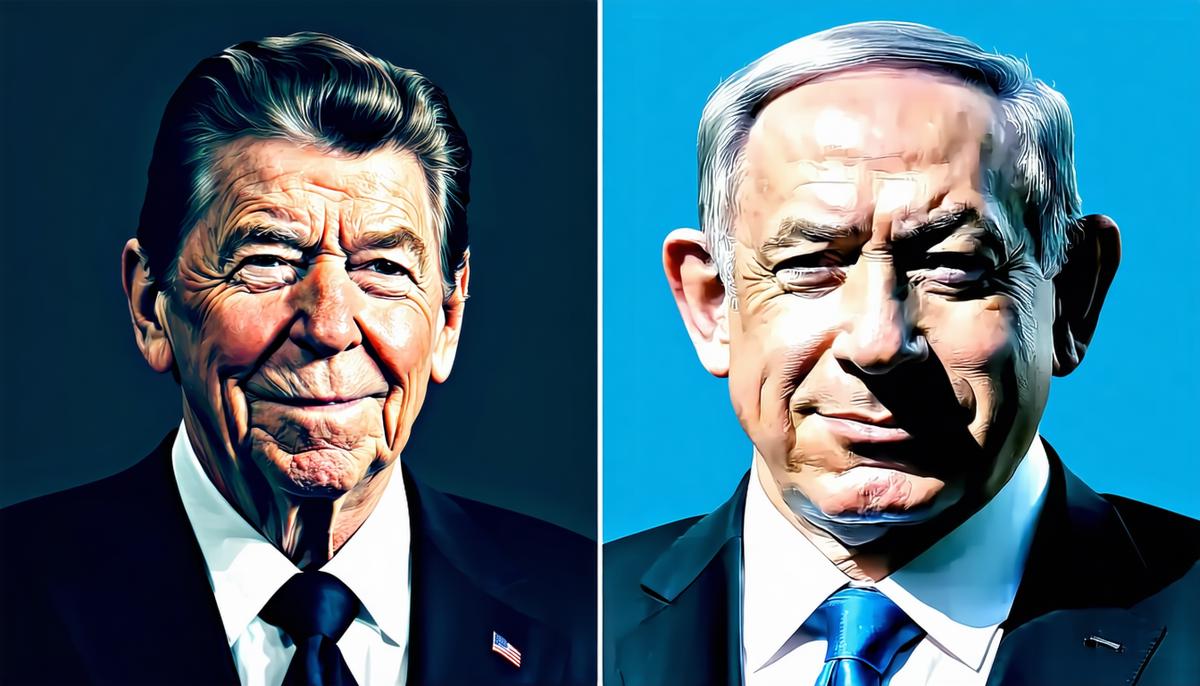
In 1985, during the Reagan era, Israel and the United States forged a pivotal free trade agreement. This deal opened economic gates wide, allowing nearly all US goods to enter Israeli markets duty-free. Fast forward to today, and almost 98% of American products were already entering Israel without tariff hurdles.
Israel recently decided to remove the last remaining tariffs on US imports. In a joint statement from the Prime Minister's Office, Finance Ministry, and Economy and Industry Ministry, this move was announced as a significant push to enhance trade ties even further.
Key points from Israeli leadership:
- Prime Minister Benjamin Netanyahu: Remarked that this step is a cornerstone of his long-standing policy to foster market competition and diversity.
- Finance Minister Bezalel Smotrich: Noted how this tactical move could reshape Israeli-US economic partnerships.
- Economy and Industry Minister Nir Barkat: Reiterated the shared vision for stronger economic ties.
Lowering tariffs is seen as a gateway to opening further economic corridors, promising to reduce the cost of American agri-products for Israeli shoppers.
Spicing Up the Economy: Israel's Bold Move
Israel's decision to eliminate remaining tariffs on US imports is set to invigorate its economy and strengthen ties with America. Let's break down the reasons behind this decision and its potential impacts.
Prime Minister Netanyahu and Finance Minister Smotrich are serving up a plan that smells of competition and prosperity. Their vision is to lower costs for citizens, offering Israeli consumers more affordable American products. It's like introducing a well-spiced falafel to a sea of plain bread – adding diversity to the market.
Finance Minister Smotrich sees this as fortifying the alliance with the US, creating a bridge strong enough to support heavy-duty exchanges of goods and shared dreams of prosperity. Imagine Israeli markets where American produce is as common as hummus on a mezze platter. This future could mean Israeli consumers get access to a wider variety of goods at more palatable prices.
This move complements efforts to streamline global trade, making way for a fairer playground for America and its allies. It's an alliance woven with threads of mutual benefit – smarter trade, reduced costs, and potentially healthier competition.
"The complete removal of tariffs on imports from the US is an important step in preserving the Israeli economy during a sensitive period and strengthening economic ties with our most important ally – the United States," said Smotrich.
How might this reshape the economic landscape? Will Israeli shoppers soon be filling their carts with more affordable American goodies? Only time will tell, but the potential for a more diverse and competitive market is certainly on the menu.
Implications for Israeli Economy and US Relations
This zero-tariff move could reshape economic terrains while tickling the fancy of both markets. By removing tariffs on American agricultural products, Israel is opening its market to more affordable options. This is great news for consumers looking to diversify their pantry without breaking the bank.
However, local Israeli farmers might feel the squeeze as they face competitively-priced imports. The Israeli government will need to consider policies to support local agriculture and ensure homegrown producers aren't left behind in this economic shift.
Beyond the grocery aisles, these tariff eliminations could trigger positive effects throughout the Israeli economy. Lower product costs might lead to higher consumer spending, potentially nourishing economic growth across sectors.
On the grand stage of Israeli-U.S. relations, this move strengthens a partnership that's becoming a model for international collaborations. It's about merging strengths and working toward common goals of innovation and technological advancement.
This strong alliance serves as an emblem of a broader strategic vision. While cost relief makes headlines, the heart of the story is about cementing a relationship between Israel and the U.S. that dances to the rhythms of shared success and future-ready expansions.
In a world where politics can often feel complicated, this move reminds us that diplomacy and trade can create win-win scenarios. It fosters a global landscape enriched by cooperative achievements, echoing the spirit of mutual advancement and shared dreams.
Key economic facts:
- The United States is Israel's largest trading partner, with bilateral trade worth $34 billion in 20241.
- In 2024, US imports from Israel stood at $22.2 billion, while exports were estimated at $14.8 billion2.
- Current custom duties on American goods amount to above $11.3 million per year for Israel3.
Will this tariff elimination lead to a new era of economic synergy between Israel and the U.S.? How might it shape the future of international trade relationships? These are questions worth pondering as we watch this economic story unfold.
- Office of the United States Trade Representative. Israel Trade Facts.
- US Trade Representative. US-Israel Trade Statistics 2024.
- Israel Finance Ministry. Customs Duty Report 2024.