
International Student’s Visa Revoked Amid Pro-Palestinian Protests
Momodou Taal, a dual citizen of the UK and Gambia, found himself in a precarious situation. This Cornell University student’s visa was revoked due to his involvement in pro-Palestinian protests that the Trump administration deemed problematic. With legal options dwindling, Taal made the difficult decision to leave the United States.
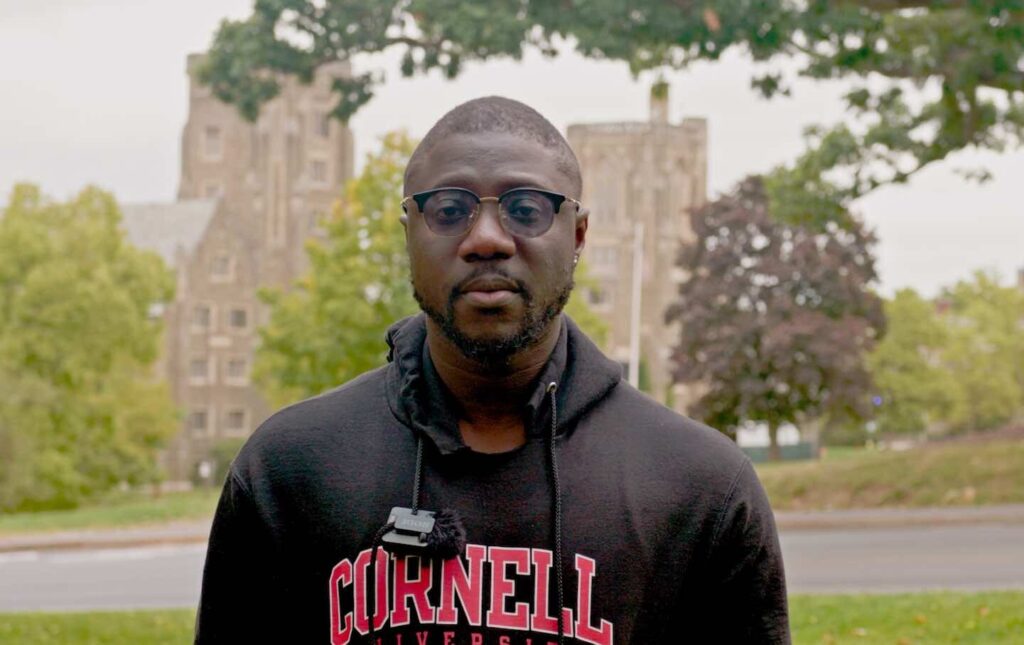
A judge’s denial of Taal’s request for protection against arrest or deportation was the final straw. From an undisclosed location, he shared on X:
"I have lost faith I could walk the streets without being abducted."
Strong words from a student under scrutiny for campus activism.
The Trump administration stood firm. They weren’t about to let someone advocating for what they considered antisemitic sentiments stay on U.S. soil. Their claim? Taal’s actions created a hostile environment for Jewish students, according to university policies.
Taal wasn’t just running away. He stated on X, “Weighing up these options, I took the decision to leave on my own terms.” It’s a bold move, framing his departure as independent while hinting at a broader struggle for his rights and beliefs.
Taal’s decision wasn’t isolated but part of a larger trend. It’s been a challenging time for international students involved in activism on U.S. campuses, given the administration’s approach. Trump’s actions have faced criticism for allegedly limiting free speech, but in Taal’s case, it also meant leaving the U.S. to continue his advocacy from afar.
The Government’s Stance on “Disruptive Protests”
The key phrase in Taal’s case was “disruptive protests.” This became central to the government’s reasoning for revoking his student visa. Pro-Palestinian protests were seen as creating an unfriendly atmosphere, particularly for Jewish students on campus. Taal’s activism was deemed disruptive enough to the university’s harmony to warrant visa revocation.
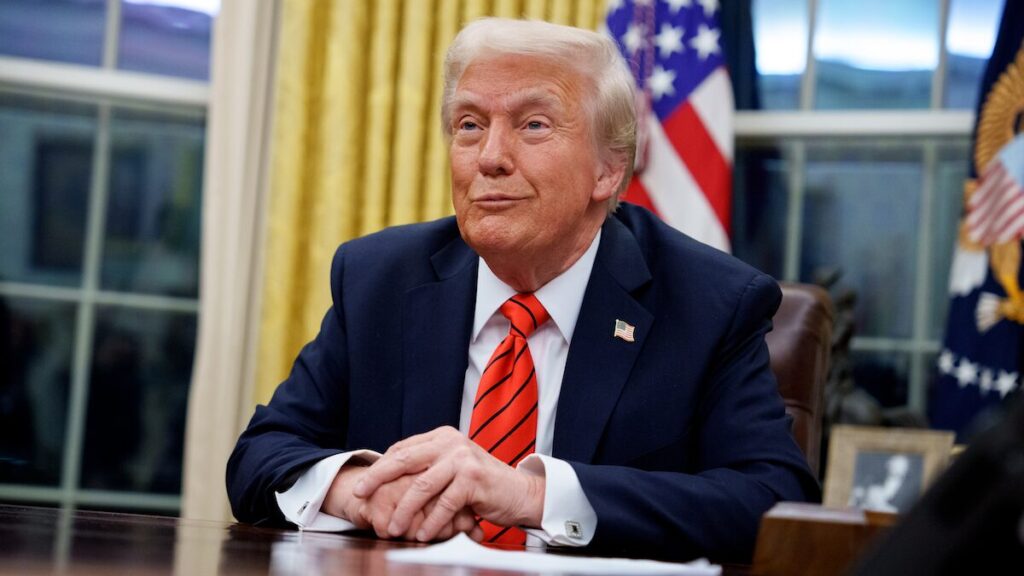
Secretary of State Marco Rubio emphasized that this wasn’t an isolated incident. According to him, visas of over 300 students linked to pro-Palestinian protests were revoked. These actions were justified as necessary for protecting U.S. values and foreign policy objectives.
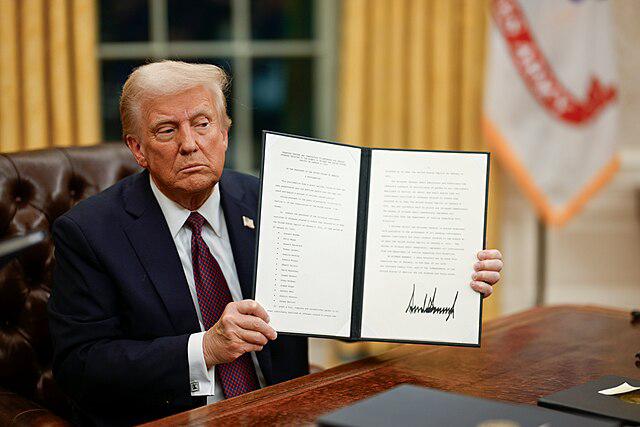
The Trump administration’s approach combined national security interests with executive orders. They positioned themselves as guardians of American safety and values, turning critiques into narratives about supposed antisemitism and hostile attitudes in academia.
In domestic policy, this crackdown on perceived adversaries wasn’t just a legal matter; it was a strong stance that resonated with many. To supporters of Trump’s approach, this represented America taking a firm stand against unwelcome influences.
Taal’s departure, while dramatic, may have lasting echoes in political discussions. His was a defiant exit, an act where he boldly declared his stance—albeit from a distance.
The Broader Impact of Executive Orders on Campus Activism
As Taal exits, the impact of the Trump administration’s executive orders continues to shape the landscape for non-citizens involved in protests. These directives aim to address what’s seen as chaos, giving the government tools to act against perceived hostile actions undermining U.S. values and security. For many, it’s a complex situation, especially for advocates of Palestinian rights who face legal consequences and visa revocations.
Critics argue these orders come close to limiting free speech, essentially restricting students like Taal who are passionate about their demonstrations. Taal and others challenged these orders with a federal lawsuit, claiming they infringe on constitutional rights and use vague language against dissent.
The Trump administration maintains these actions protect national security and combat antisemitism. They argue the measures defend against terrorism and maintain an environment for lawful discourse—as long as it aligns with U.S. interests. In their view, certain protests shift from expressions of dissent to threats of disunity among diverse student bodies.
Key Points of Controversy:
- Impact on non-citizens seen as adversarial
- Universities becoming ideological battlegrounds
- Clash between executive power and grassroots movements
- Balancing national security with constitutional rights
Taal’s federal lawsuit aimed to address this issue, arguing that a nation founded on free speech shouldn’t fear dissent. The lawsuit challenged policies that seem to mix national security concerns with potential constitutional violations. Despite this, the administration remains confident in their approach—viewing some protests as potential dangers.
In this story, Taal represents more than just himself; he symbolizes a broader struggle against what some see as government overreach. His case highlights the intersection of activism and immigration—testing the limits of executive power and raising legal and ethical questions. While Taal’s time in America may be over, the impact of these executive orders continues to spark debates beyond university campuses.
Taal’s departure isn’t just an ending; it’s the beginning of a complex discussion about balancing national security, free speech, and immigration. How will this story unfold? Who will be the next to challenge these policies? In Trump’s America, there’s always more to come.
- Taal M. Statement on social media platform X. Published March 2024.
- Cornell University. Student Code of Conduct. Updated January 2024.
- U.S. Department of State. Statement by Secretary Rubio on visa revocations. March 2024.
- Trump Administration. Executive Order on Combating Anti-Semitism. January 2024.
- Lee E. Statement on social media platform X. March 2024.