
Senate Republicans are laying the groundwork for what could become one of the most transformative legislative wins in modern American history—a sweeping budget proposal designed to bring President Trump’s America-First economic agenda roaring back to life.
With a 53-47 majority and the full backing of President Trump, the GOP is charging ahead with “one big, beautiful bill”—a masterstroke of conservative governance that makes the 2017 Trump tax cuts permanent, strengthens the military, ramps up border enforcement, and finally restores fiscal sanity after years of leftist overreach.
Senate Republicans Unveil Budget Blueprint for Trump’s “Big, Beautiful” Agenda
Senate Republicans are at it again with their latest budget blueprint, aiming to keep Trump’s 2017 tax cuts alive indefinitely. They’ve proposed $1.5 trillion in new tax cuts and insist on making the 2017 cuts permanent. How? By using the “current policy baseline,” a method that scores the cost of extending Trump’s tax cuts at zero.
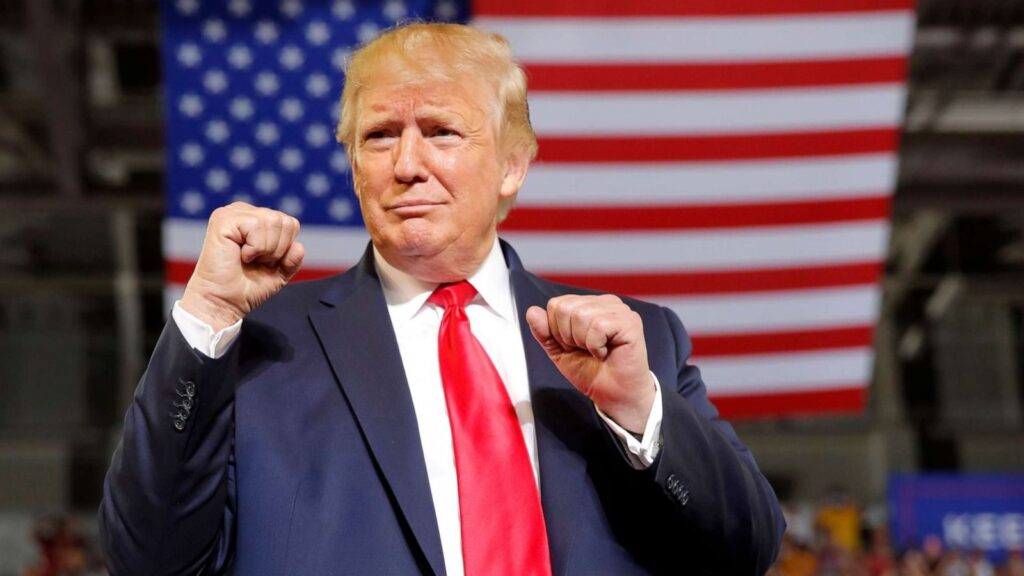
Democrats are predictably unhappy, calling it “magic math.” The Senate GOP, with their 53-47 majority, plans to use the budget reconciliation process to sidestep the usual 60-vote requirement for controversial financial matters.
President Trump is pushing legislators toward his dream of “one big, beautiful bill.” Senate Majority Leader John Thune, the chief architect of this plan, now needs to align with the House’s strategy.
The proposal includes:
- A $5 trillion increase in the debt limit
- A $175 billion boost for immigration enforcement
- Increased military spending
While some cuts are proposed, they’re not backing down yet. Thune is determined to move forward, even as Senate Minority Leader Chuck Schumer accuses them of bending the rules.
Trump’s influence looms large, ensuring GOP lawmakers keep their focus on the prize. After all, who can resist the appeal of one big, beautiful bill?
Democrats Cry Foul Over GOP’s “Magic Math”
Let’s dive into the controversy surrounding this fiscal plan. Democrats are calling the “current policy baseline” an accounting trick designed to hide the true cost of extending the tax cuts.
Chuck Schumer has been particularly vocal, labeling it a “hocus-pocus act” that ignores Senate tradition. Senator Ron Wyden argues that this isn’t just bending the rules, but “a full-blown assault on 40 years of budgetary practice!”
Democrats are concerned that this “magical asterisk” could lead to cuts in essential services like healthcare, impacting those who need help the most. They’ve calculated that the GOP’s approach might result in:
- Job losses
- Increased child hunger
Meanwhile, the GOP remains undeterred, brushing off criticism as noise from the opposition. This fiscal gamble has the potential to either cement Trump’s legacy as a financial genius or expose a major misstep. It’s a high-stakes game that keeps us all watching with bated breath.
Internal GOP Debates and the Race Against Time
The GOP’s internal debate over a $5 trillion debt ceiling increase is causing quite a stir. Republican senators are trying to balance fiscal responsibility with Trump’s ambitious plans. Some are hesitant about Medicaid cuts, worried about public backlash and losing votes in swing districts. However, House Republicans are pushing for $880 billion in deficit reductions, with Medicaid as a prime target.
Trump is pressuring GOP senators to act quickly on this transformative budget. The success of their plan hinges on the Senate Parliamentarian’s ruling on the ‘current policy baseline.’ A favorable decision could give them the flexibility to implement Trump’s agenda while avoiding deficit concerns.
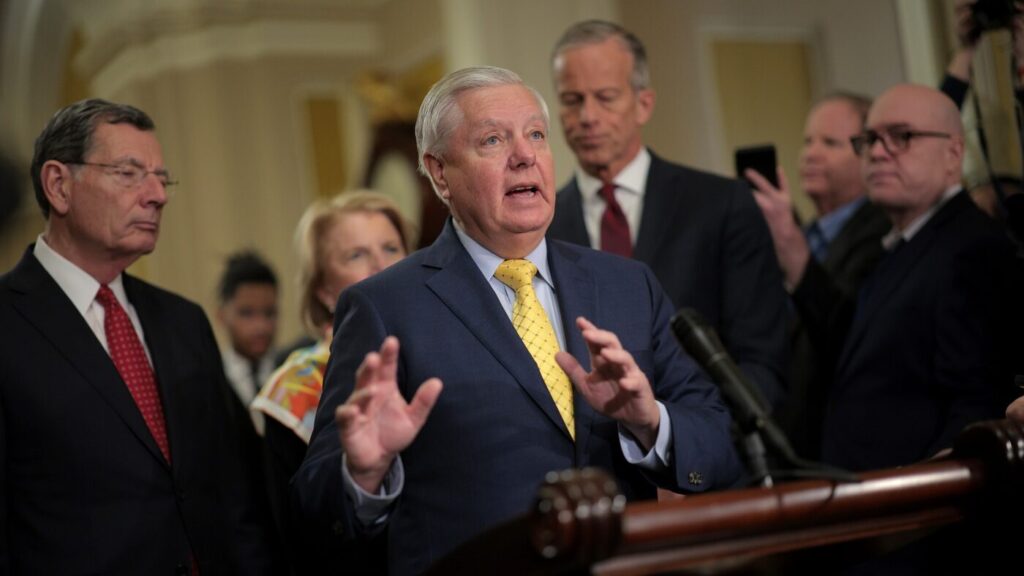
Key Points of Contention:
- Medicaid cuts: How deep, and at what political cost?
- Debt ceiling increase: $5 trillion is a hard sell for some conservatives
- Tax cut extensions: How to fund them without ballooning the deficit?
Senate Majority Leader John Thune is working to align schedules with both legislative needs and Trump’s timeline. It’s a race against time to craft and pass the “one big, beautiful bill” through Congress. This urgency might actually unite the GOP around a common cause.
"We just know what we need to do, and we need to get it done sooner rather than later."
– Sen. John Cornyn (R-Texas)
One thing is clear: Trump’s vision for America’s financial future is at the heart of the Republican strategy. As this legislative drama unfolds, we’re all eagerly anticipating the next act. Will it be a triumph or a setback for the GOP? Only time will tell.
-
1. Committee for a Responsible Federal Budget. Press release. February 2025.
2. Congressional Budget Office. Budget Projections. January 2025.
3. Summers L. Op-ed on budget baseline assumptions. The Washington Post. March 2025.
4. Ways and Means Committee Republicans. Press release on tax cut extension. February 2025.