
Courtroom Drama: Trump Assassination Plot Trial Unfolds
In a gripping federal court hearing, the spotlight falls on Ryan Routh, accused of plotting to assassinate Donald Trump. U.S. District Judge Aileen Cannon made a crucial ruling, allowing Routh’s lawyers to test-fire the semi-automatic rifle allegedly used in this conspiracy.
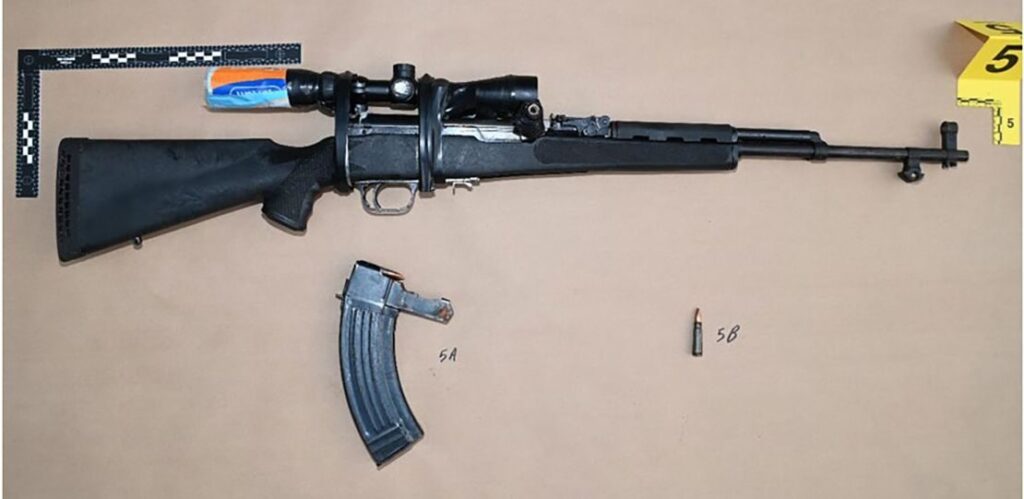
The weapon’s appearance at Trump’s West Palm Beach golf course sparked a dramatic sequence of events:
- A Secret Service agent spotted the rifle
- Shots were fired, sending Routh fleeing
- Routh was apprehended on Interstate 95
Routh’s fate now hinges partly on the rifle’s capabilities. His defense team aims to determine if the makeshift setup, using electrical tape and a scope, could actually hit a distant target. Federal prosecutors argue that intent, not firearm faults, is the key issue.
Judge Cannon approved an operability test, allowing the defense to verify if the gun can fire a round, but not test long-range accuracy. Supporting the accusations of intent, texts from Routh’s phone reveal inquiries about heavier weapons like a .50-caliber rifle or rocket launcher.
As the September trial approaches, Judge Cannon, known for handling Trump-related cases, takes center stage in yet another high-profile courtroom clash.
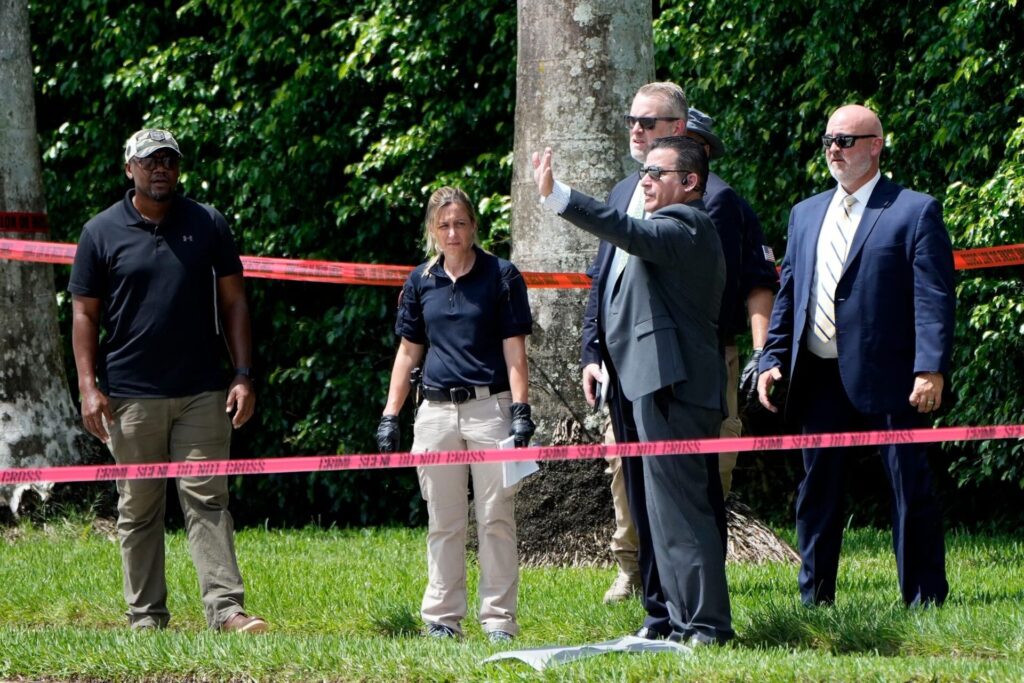
The Case Against Ryan Routh: Evidence Mounts
Ryan Routh faces a slew of serious charges, including attempted assassination and federal weapons violations. Each count paints a damning picture of his alleged intentions.
Prosecutors have assembled more than circumstantial evidence:
- Messages from Routh’s phone suggest he sought heavier artillery
- Digital clues support claims of deliberate planning and escalation
- A note describing his intentions was reportedly left behind at the scene
The prosecution is gearing up for intense courtroom exchanges, emphasizing Routh’s apparent resolve beyond any amateur gun issues. As the September trial nears, the evidence continues to build, portraying Routh as someone actively plotting against the former president.
With witnesses preparing and evidence mounting, the truth is set to unfold under the scrutiny of the Florida courtroom.
Judge Aileen Cannon’s Role and Its Impact
Judge Aileen Cannon, appointed by Donald Trump, plays a pivotal role in this high-stakes trial. Her previous rulings in Trump-related cases have drawn both praise and criticism, with some arguing she tends to favor the former president’s interests.
Cannon’s decisions in the Routh trial are under intense scrutiny. Her past rulings have sparked debate about her impartiality, but it’s important to note that Cannon is experienced in handling complex legal matters.
"I have no control over what private citizens, members of the media, or public officials or candidates elect to say about me or my judicial rulings," Cannon wrote in response to recusal requests.
Routh’s defense team filed a motion for her recusal, citing concerns of bias due to her Trump connection. However, Cannon stands firm, confident in her ability to remain impartial. She argues that her decisions are based on law and fairness, not personal affiliations.
For those concerned about courtroom theatrics, Cannon’s presence offers assurance of due process. Her refusal to recuse herself isn’t just about legality; it’s a statement affirming judicial ethics. In this nationally significant trial, Cannon’s role is crucial.
As the legal proceedings continue, all eyes remain on Judge Cannon’s courtroom. Her rulings will have implications beyond this case, touching on broader questions of judicial impartiality. Will Cannon’s legacy be one of fairness and integrity, rising above claims of bias? Her courtroom has become a stage where truth and justice intersect with politics and law, marking an important moment in American jurisprudence.
-
1. CBS News. Court filings reviewed by CBS News show defense attorneys for Ryan Routh given access to tour Trump golf course.
2. United States District Court, Southern District of Florida. Ruling on motion for recusal in United States v. Ryan Wesley Routh.
3. Federal Bureau of Investigation. Affidavit from FBI Special Agent Mark Thomas regarding Ryan Routh case.
4. United States Department of Justice. Indictment against Ryan Routh for attempted assassination of a presidential candidate and related charges.
5. Florida Attorney General's Office. State-level charges against Ryan Routh for first-degree attempted murder and terrorism.