
Biden’s CHNV Parole Program: A Controversial Journey
The Biden administration’s CHNV (Cuba, Haiti, Nicaragua, Venezuela) parole program has been a rollercoaster since its inception. Initially launched to curb illegal border crossings by offering a legitimate path into the U.S., it quickly expanded beyond Venezuelans to include Cubans, Haitians, and Nicaraguans. The program’s premise was simple: migrants needed a strong American sponsor to apply, with the promise of a two-year stay under parole.
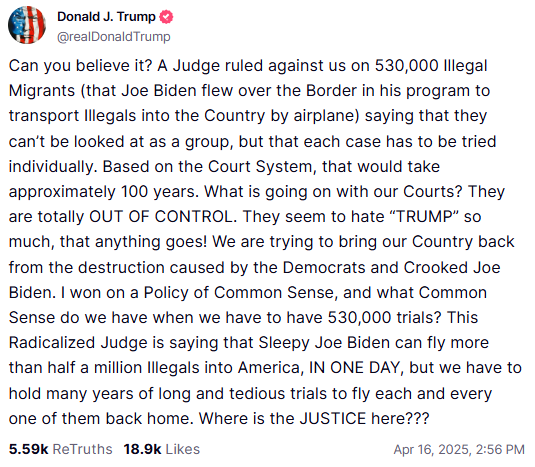
However, complications soon arose:
- Fraud emerged, with reports of forged documents and questionable claims
- High-profile crimes by some recipients fueled controversy
- Judge Indira Talwani recently insisted each migrant deserves a case-by-case review before deportation
Now, the program faces a staggering backlog of over half a million people, each requiring judicial approval before potential return to their homelands. It’s a situation rife with political, legal, and social implications.
The Legal Storm Surrounding CHNV
The CHNV program is embroiled in an unprecedented legal battle. Judge Talwani’s demand for personal case reviews for hundreds of thousands of migrants has sent shockwaves across the nation. It’s akin to a high-stakes legal thriller, keeping observers on the edge of their seats.
The courtroom has become a battleground where:
- The Biden administration defends the program as reducing illegal crossings and creating a safer immigration process
- Trump supporters view it as opening floodgates to potential chaos
- Critics highlight fraud and dangerous criminals slipping through as major flaws
Department of Homeland Security officials are grappling with the logistical nightmare of case-by-case assessments. Meanwhile, the Trump camp argues that Talwani’s ruling challenges how future administrations can wield similar powers.
This struggle underscores the broader debate on how both Biden and Trump exercised executive powers in addressing immigration. It’s a showdown that challenges the very limits of presidential authority. The question looms: Can future presidents exercise the same latitude, or does this judgment reshape U.S. immigration policy?
As this drama unfolds, it’s clear that this case will be one for the history books, potentially redefining the landscape of U.S. immigration policy for years to come.
The Human Cost and Political Implications
Migrant families under the CHNV program are in a state of disbelief and distress. With over 530,000 lives hanging in the balance, each now faces a complex legal maze, overshadowed by the fear of deportation. Anxiety runs high as families fear separation and the devastation it could bring.
The impact extends beyond individual fates:
- Talwani’s ruling sparks a discourse that may forever shape U.S. immigration policy
- It challenges presidential powers, questioning the reach executive authority should have
- The stakes are higher with President-elect Trump poised for a resurgence
Trump’s administration might leverage this ruling to overhaul immigration policies, aiming to fortify what he terms as “America’s defenses” against uncontrolled immigration.
"On day one, President Trump will fix the immigration and national security nightmare that Joe Biden created by launching the largest mass deportation operation of illegal criminals in United States history," said Trump transition spokeswoman Karoline Leavitt.
Yet amidst this political chess, the human element remains paramount. These migrant families embody resilience and hope, their stories threaded with aspirations that defy the odds. Their future hinges on decisions made behind courtroom doors. Will compassion triumph over policy constraints, or will the harsh winds of legality sweep away the dreams of many? Only time will tell if this complex situation concludes with a just resolution.
- Immigration and Customs Enforcement. Annual Report Fiscal Year 2024. Washington, DC: U.S. Department of Homeland Security; 2024.
- U.S. Customs and Border Protection. Southwest Border Migration FY 2024. Washington, DC: U.S. Department of Homeland Security; 2024.
- National Institute of Justice. Immigration and Crime. Washington, DC: U.S. Department of Justice; 2024.
- Migration Policy Institute. Biden’s Immigration Record: A Comprehensive Review. Washington, DC: MPI; 2024.