
The Supreme Court just sent a clear message to every state fighting to protect its citizens: Sit down, stay quiet, and let Washington’s open-borders chaos continue. In a brief unsigned order, the court refused to let Florida enforce its powerful new immigration law, Senate Bill 4C, a law designed to put Florida first and hold criminal repeat border crossers accountable.
President Trump, Florida Governor Ron DeSantis, and Attorney General James Uthmeier backed this law with one goal: protect American families and end the revolving door of illegal reentry that floods communities with crime and drains resources.
Now, the Supreme Court, without even a single noted dissent, slammed the brakes.
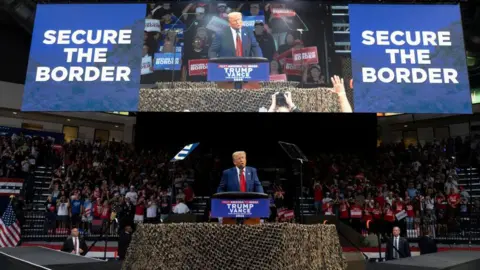
What Florida’s Law Would Have Done
Senate Bill 4C is one of the toughest state immigration laws ever passed:
- Makes it a felony for anyone previously deported or denied U.S. entry to enter Florida again, even if they later obtain legal status.
- Allows arrest and detention without bond for suspects until trial.
- Sends a clear message to cartels and illegal crossers: Florida is closed to repeat violators.
Attorney General Uthmeier told the court plainly: Florida is facing “serious harms of illegal immigration” and has the constitutional duty under the Tenth Amendment to defend its people.
And let’s be real: This law is popular. Floridians and Americans everywhere are tired of federal failures at the border. They want states to step up where Washington refuses.
Trump’s DOJ Took a Stand
In a historic move, President Trump’s Department of Justice sided with Florida, arguing the law was “in harmony” with federal policy because it supports the same mission: stop illegal immigration, protect American lives, and enforce the law.
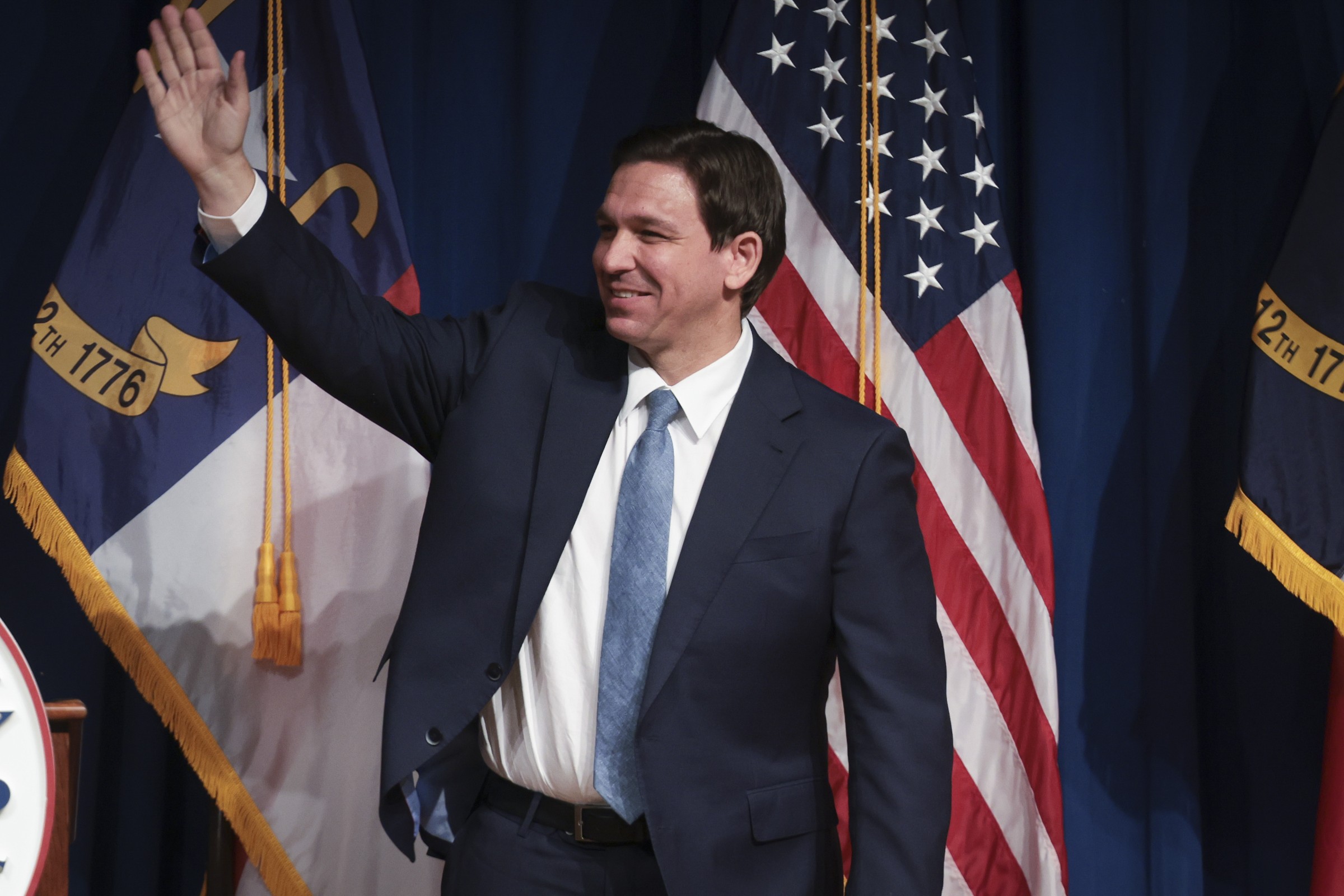
For decades, Washington elites and their allies in the activist media and ACLU have said immigration enforcement is “federal only.” Meanwhile, they let sanctuary cities protect criminals while border states suffer the fallout.
The Trump administration is proving that the states should not be forced to stand down while the federal government fails.
The Establishment’s Favorite Shield: Arizona v. United States
Predictably, the lower courts blocking Florida’s law and the SCOTUS refusal to intervene are leaning on the 2012 Arizona v. United States decision, which limited state power on immigration enforcement. The ruling was used to strike down most of Arizona’s bold SB 1070 law under the claim that it clashed with federal authority.
But here’s the truth: Arizona v. United States was decided during the Obama era, with an open-borders administration steering policy. Times have changed.
We now have a president who wants states to assist in enforcement. We have states willing to help where federal agencies are overwhelmed. We have a new DOJ position supporting states’ right to protect themselves. The old ruling does not reflect the reality on the ground today.
This Isn’t Over
The Supreme Court’s refusal is procedural, not final. It simply means the law can’t take effect while the case works through the courts.
- The 11th Circuit Court of Appeals will next consider the case.
- A full hearing at SCOTUS is almost guaranteed.
This is not the end. It’s a temporary roadblock in a much bigger war between states defending their people and an entrenched federal bureaucracy addicted to chaos and open borders.
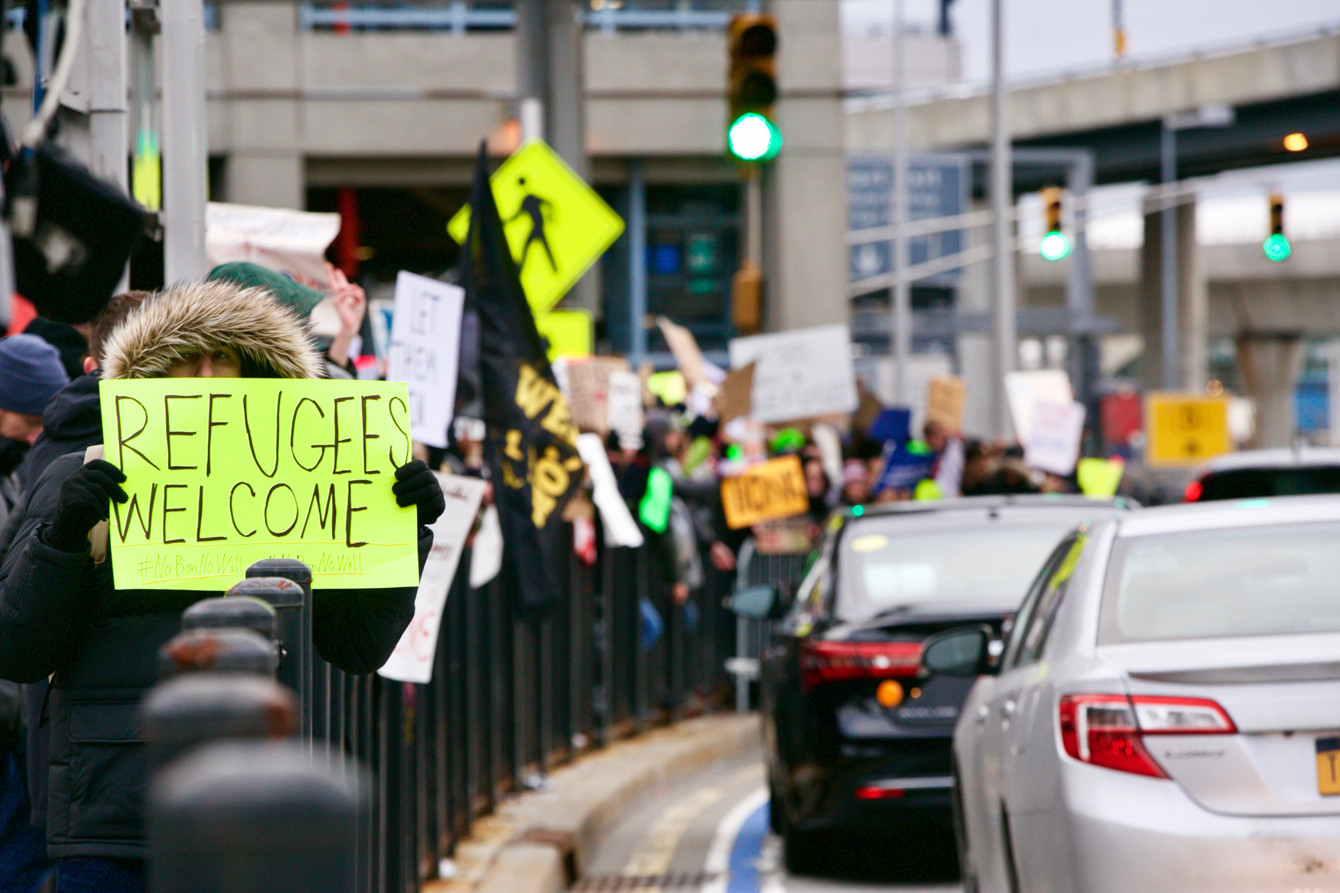
The States Are Rising, and Trump Leads the Way
Florida’s case is part of a nationwide push:
- Texas and Iowa have passed nearly identical laws.
- Governors across red states are demanding the right to enforce immigration laws when the federal government fails.
- President Trump has made clear that states have a role in protecting American sovereignty.
This is not just about immigration; it’s about whether states can defend themselves when Washington refuses to act. The Supreme Court’s ruling is a blow, but it’s not the end.
Why This Matters
While Washington elites and activist judges lecture states about “federal supremacy,” American families deal with the real consequences of illegal immigration: drugs in their neighborhoods, violent crime, strained hospitals and schools, and lower wages.
The system is rigged against states that try to fight back. But thanks to President Trump’s leadership, states are finally getting the legal and political backing they need to challenge this broken system.