
Trump Administration Launches CBP Home App for Self-Deportation
The Trump administration has unveiled a new digital tool in its immigration reform campaign: the CBP Home app. Designed to encourage voluntary self-deportation, this app offers undocumented individuals a pathway out of the United States.
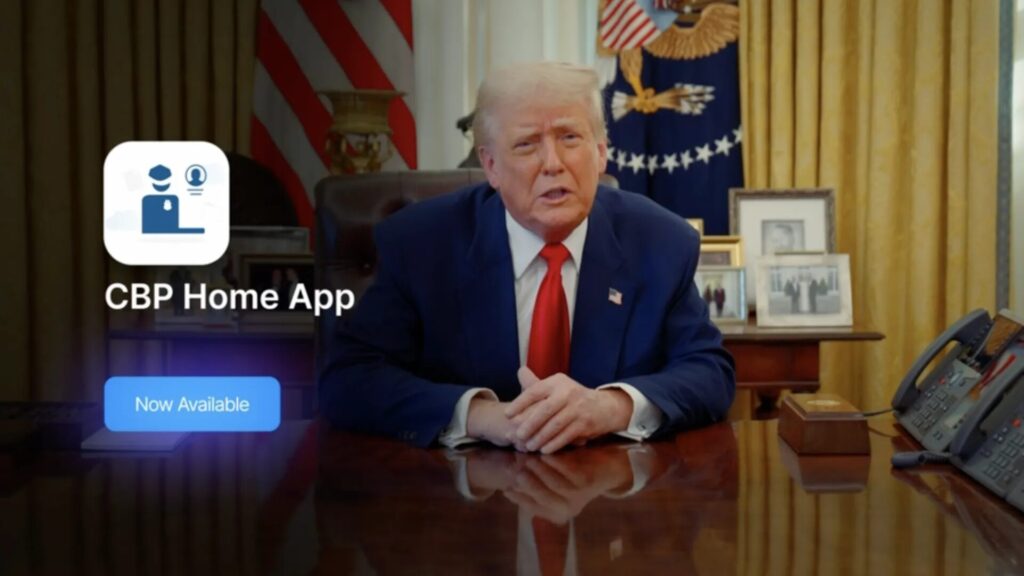
In a video statement, President Trump explained:
"My administration is launching the CBP Home app to give people in our country illegally an easy way to leave now and self-deport voluntarily. If they do, they could potentially return legally at some point in the future."
The administration’s goal is clear: reduce the undocumented population while conserving resources to focus on individuals deemed dangerous or criminal.
Homeland Security Secretary Kristi Noem emphasized the shift from the previous administration’s policies:
"The Biden administration exploited the CBP One app, allowing over a million to enter illegally. Now, the CBP Home app restores integrity to our system. If they choose to remain, we will find them. We will deport them, and they will never return."
Critics have raised concerns about the willingness of undocumented individuals to self-deport, particularly given low trust in the current administration. However, the Trump team has launched a $200 million advertising campaign to spread awareness of the new app.
By encouraging voluntary departures through CBP Home, Trump’s forces aim to redirect their efforts towards apprehending those involved in serious criminal activity. This app marks a significant shift in immigration policy, replacing the Biden-era CBP One app and setting a new tone for immigration reform.

Examining the Layers of the CBP Home App
The introduction of the CBP Home app has sparked a multifaceted debate among experts, advocates, and critics. While some view it as a potential solution, others see it as a problematic approach to immigration reform.
Key concerns raised by critics include:
- The app’s potential to foster fear rather than cooperation
- Privacy issues related to data collection and surveillance
- The risk of future re-entry bans for those who self-deport
- Ethical considerations of encouraging self-deportation
Colleen Putzel-Kavanaugh, an associate policy analyst with the Migration Policy Institute, suggests that the app may contribute to a “culture of fear” surrounding immigration. Rights advocates express unease about how personal information gathered through the app might be used for punitive measures.
Historical context is also relevant, as critics point to previous self-deportation efforts that led to unexpected consequences. Many individuals who voluntarily left were subsequently barred from re-entry due to legal technicalities defined as “unlawful presence.”
Political analysts are scrutinizing the fine print, questioning both the ethics and practicality of the app. They pose critical questions:
"Will it truly be a deliverer of truth, or a tool in disguise to push an agenda?"
Regardless of varying opinions, the CBP Home app has become a focal point for discussions on the future of immigration policy in the digital age. It represents another chapter in America’s complex immigration narrative, intertwining technology, advocacy, and policy in unprecedented ways.
The $200 Million Ad Campaign: Promoting CBP Home
The Trump administration has launched an extensive $200 million advertising campaign to promote the CBP Home app. This multimedia blitz spans television, radio, and digital platforms, with a clear message: self-deport now for a potential future return.
Key elements of the campaign include:
- Homeland Security Secretary Kristi Noem as chief spokesperson
- Targeted ads in states with significant immigrant populations (Texas, California, Florida)
- Social media endorsement from influential figures like Elon Musk
- International outreach to discourage illegal immigration attempts
Secretary Noem’s message is direct and unambiguous:
"Leave now, or face the consequences. America has doors but only those who respect the laws will find them open."
The campaign has received an unexpected boost from tech mogul Elon Musk, who tweeted: “New app to assist in self-deportation!” This endorsement adds a tech-savvy appeal to the initiative, potentially reframing deportation as a modern, mobile-friendly experience.
The strategic placement of ads in key states and cities demonstrates the administration’s media acumen. Each ad is carefully positioned for maximum impact, showcasing the Trump team’s understanding of targeted messaging.
As this bold advertising push unfolds, its impact on public perception and immigration trends remains to be seen. Will it illuminate pathways for undocumented individuals, or reshape America’s image of open-handed hospitality? The campaign marks a significant moment in the ongoing immigration debate, with its potential to mold perceptions and shift paradigms unfolding one message at a time.
The Trump administration’s commitment to reshaping the immigration narrative through these digital initiatives is clear. How this will ultimately transform America’s approach to immigration is a question only time will answer.
-
1. U.S. Department of Homeland Security. CBP Home App Launch Press Release. March 2024.
2. Putzel-Kavanaugh C. Analysis of CBP Home App Impact. Migration Policy Institute. April 2024.
3. Trump D. Official Statement on CBP Home App. White House Press Office. March 2024.
4. Noem K. CBP Home App Promotional Video. Department of Homeland Security. March 2024.
5. Musk E. Twitter post on CBP Home App. March 2024.