
Closing Loopholes and Strengthening Tariffs
President Trump’s move to eliminate loopholes and exemptions in steel import tariffs aims to support the American steel industry. With global steel overcapacity, foreign producers were using gaps in U.S. tariffs to flood the market. Trump’s action closes these gaps and strengthens the tariffs to halt this influx.
Steel is crucial for national security and economic strength. Trump’s action sends a message to countries selling underpriced steel. By ensuring a stable supply of domestically produced steel, America’s national, economic, and energy security are bolstered.
The primary issue was exemptions, which allowed allies and others to bypass tariffs. Now that these are gone, the U.S. steel industry can operate without undue foreign pressure. This change could potentially create more opportunities for American workers in steel mills across the country.
These tariff adjustments signal a shift towards supporting domestic industry. As President Trump stands firm, it’s a stand for America’s future, aiming to keep the steel industry resilient and competitive in global trade.
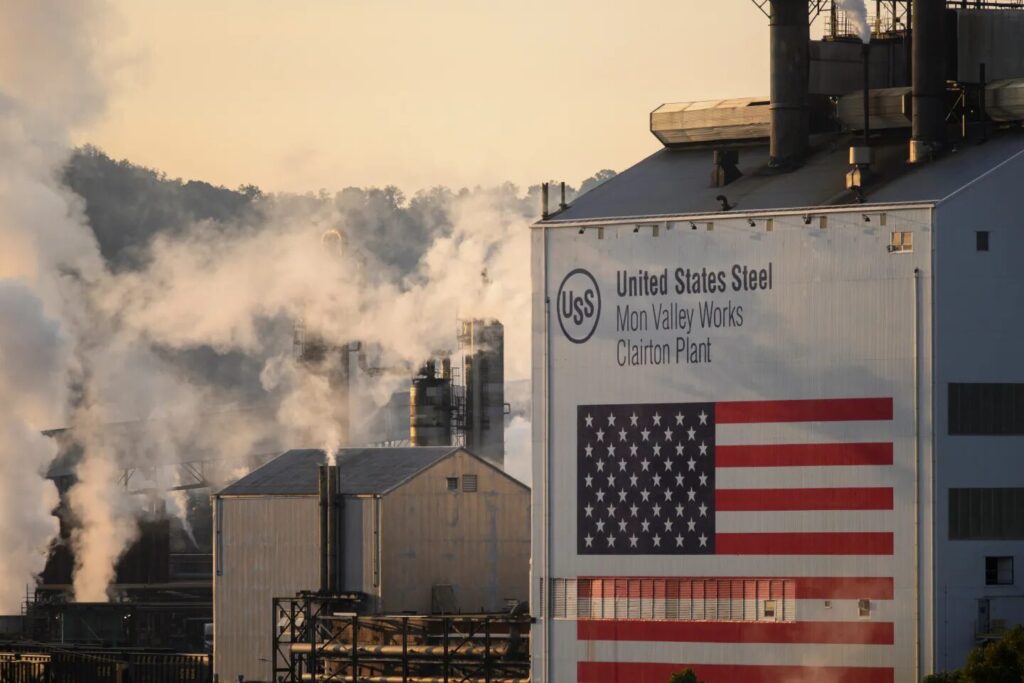
Impact of Increased Imports from Exempt Countries
The exemptions that once provided relief to some foreign partners became loopholes that threatened our domestic industry. This influx of steel put pressure on U.S. production capacity and facilities’ ability to operate optimally.
With a global surplus, foreign producers used America’s market as a repository for overflow. This global overcapacity creates economic ripple effects and challenges for our domestic steel industry. It’s not just about steel; it’s about maintaining the economic strength that supports both jobs and security in our country.
By fortifying these tariffs, President Trump aims to ensure that homegrown steel supply becomes a pillar for national security and economic vitality. The goal is to safeguard our steel industry from global market inconsistencies and create a legacy of industrial strength.
National, Economic, and Energy Security Implications
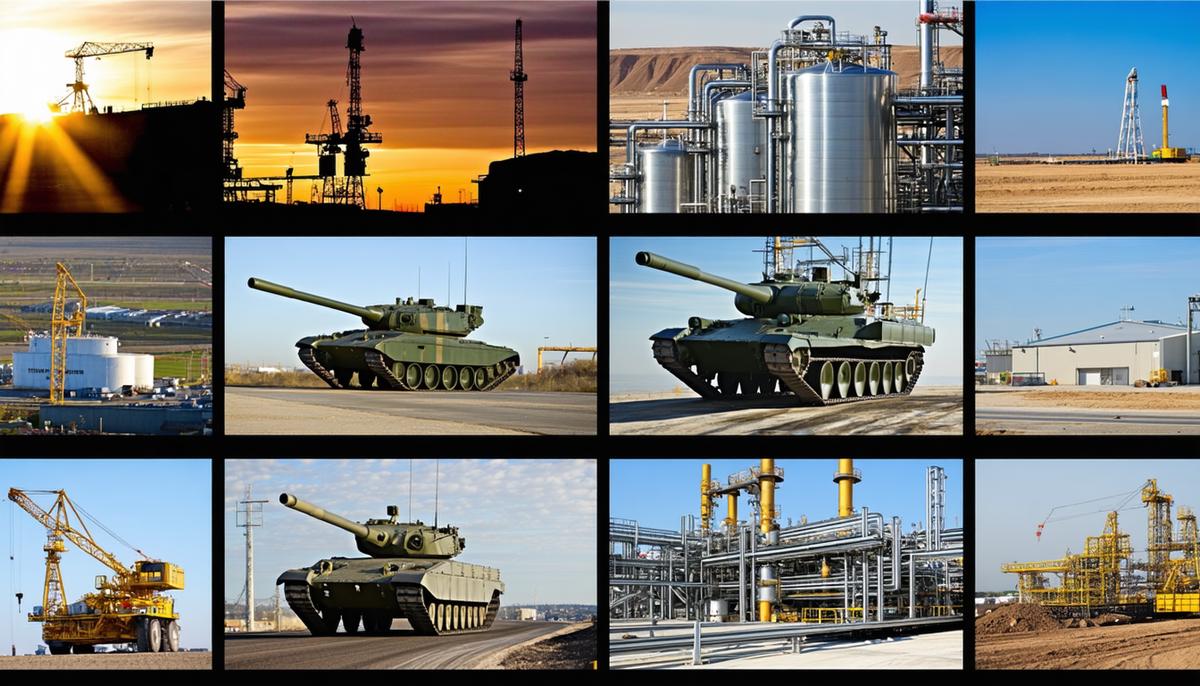
Strong domestic steel production is a matter of national pride and security. It provides an emergency reserve for times when the safety net needs to be more than just economic. At a moment’s notice, our military, infrastructure, and energy sectors can rely on resources produced on American soil.
Relying on foreign metal imports, even from friendly nations, can create vulnerabilities. International relations or global conflicts could disrupt supply chains, potentially compromising our national security interests.
The resurgence of strong domestic steel production, powered by Trump’s tariffs, is a strategic move to reinforce America’s defenses. By reducing U.S. dependency on foreign imports, the steel industry gets renewed backing to meet the nation’s demands. This extends to energy infrastructures, where pipelines and power plants require reliability and sturdiness.
Every component made in America forms a chain of trust. It means that when the country needs to bolster its defenses or improve its infrastructure, the domestic industry is ready to lead. President Trump’s stand on tariffs thus becomes a call for American independence in the steel sector.
Pressure to Exempt and Maintain Tariffs
President Trump has faced pressure from various sides regarding steel tariffs. International allies and domestic players have sought exemptions, each presenting their case for why their steel is crucial to the U.S. market.
Foreign governments, including allies like Canada, South Korea, and Japan, have lobbied for exemptions, arguing that their special ties should earn them a place on the list. Yet, President Trump has remained firm, asserting that the well-being of American industries must be prioritized.
At home, trade groups and business leaders have voiced concerns, suggesting that exemptions could aid specific economic sectors or prevent cost increases on critical imports. However, Trump maintains an unwavering stance, recognizing the potential drawbacks of yielding to these pressures.
The administration’s focus on maintaining tariffs serves to end unchecked importation and usher in a new era of American economic stewardship. While there are arguments that tariffs might raise costs, they also strengthen the domestic steel industry, preserving jobs and fortifying the economy.
This stance isn’t just about economic protectionism; it’s about American self-reliance and industry excellence. By closing exemption loopholes, Trump isn’t just holding back foreign steel—he’s shaping the foundation of America’s economic strength.
Future Prospects and Strategic Decisions
With reinforced tariff policies under President Trump’s leadership, the U.S. steel industry is poised for transformation. The future, while promising, does have its challenges. Yet, these challenges don’t overshadow the opportunities that lie ahead.
Strong tariffs position our steel industry to navigate a landscape full of potential. This isn’t just a policy change; it’s a long-range vision to secure a thriving steel economy. With this backbone, American steel can expand its horizons, potentially leading to innovations in green steel production that balance environmental responsibility with economic gains.
Investment in technology and skilled labor becomes crucial. This means creating an environment where ideas can flourish, combining cutting-edge technology with industry expertise. From enhancing production efficiencies to developing new alloys, the growth potential is significant.
Challenges will arise as global steel players eye our market. However, in Trump’s America, competition is seen as a refining force. Developing skilled tradespeople and engineers becomes essential to elevate American steel to new heights.
Strategic collaborations between government, academia, and industry are being forged to ensure a pipeline of talent. Federal initiatives aimed at research and development, alongside incentives for domestic production, set the stage for a renaissance in American manufacturing.
Maintaining a flexible policy approach will be key. Continuously reassessing global trade allows the U.S. to address challenges swiftly, ensuring our steel strategy remains competitive. Skillful diplomacy, strategic trade negotiations, and a commitment to market fairness are the blueprints for a sustainable future.
America’s steel industry isn’t just about commerce; it’s the foundation of national pride and security. As President Trump moves forward with his vision, our steel journey unfolds—full of promise and resolve. The path may have obstacles, but the course leads to a fortified, resilient, and enduring American steel industry.
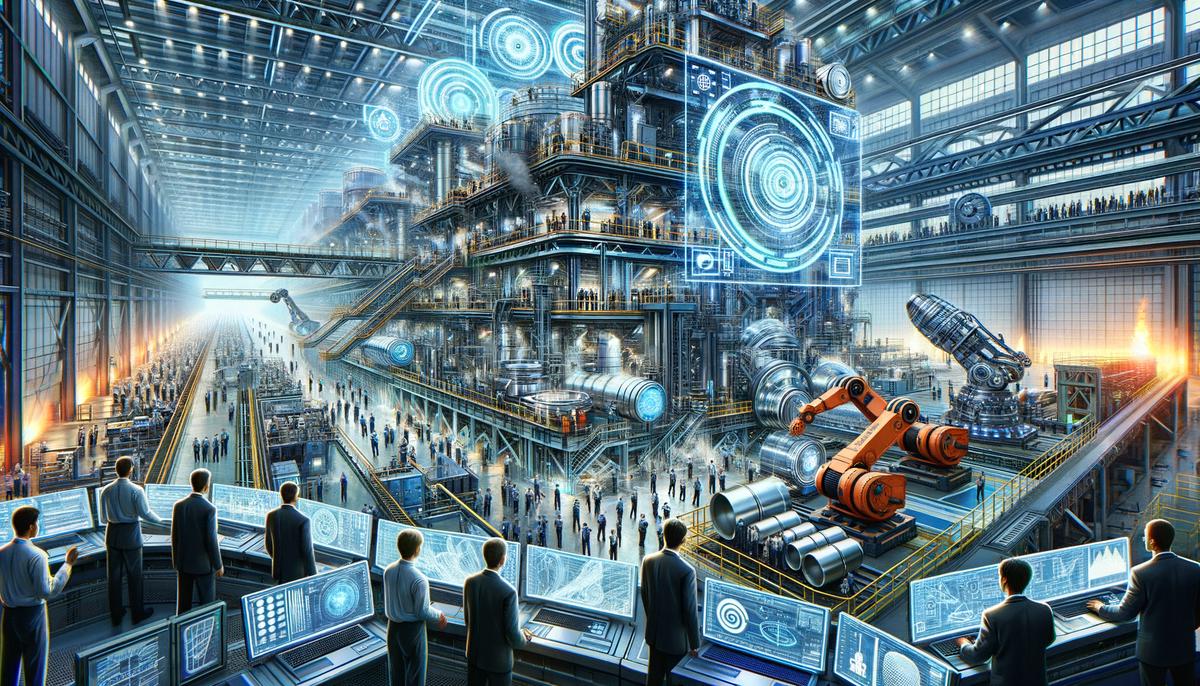
As we look to the future, President Trump’s commitment to American steel is more than just policy—it’s a vision for a strong and self-reliant nation. By reinforcing our domestic industry, he lays the groundwork for an enduring legacy of resilience and prosperity. In this era of renewed strength, America’s steel will stand tall as a symbol of national pride and security.
- U.S. Department of Commerce. Section 232 Investigations: The Effect of Imports on the National Security. 2018.
- Organisation for Economic Co-operation and Development. Steel Market Developments: Q4 2024. 2024.
- Steel Manufacturers Association. Impact of Section 232 Steel Tariffs. 2024.
- Economic Policy Institute. Analysis of Steel and Aluminum Tariffs. 2023.
- U.S. International Trade Commission. Economic Impact of Section 232 and 301 Tariffs. 2023.