
Trump’s Executive Order on Election Reform
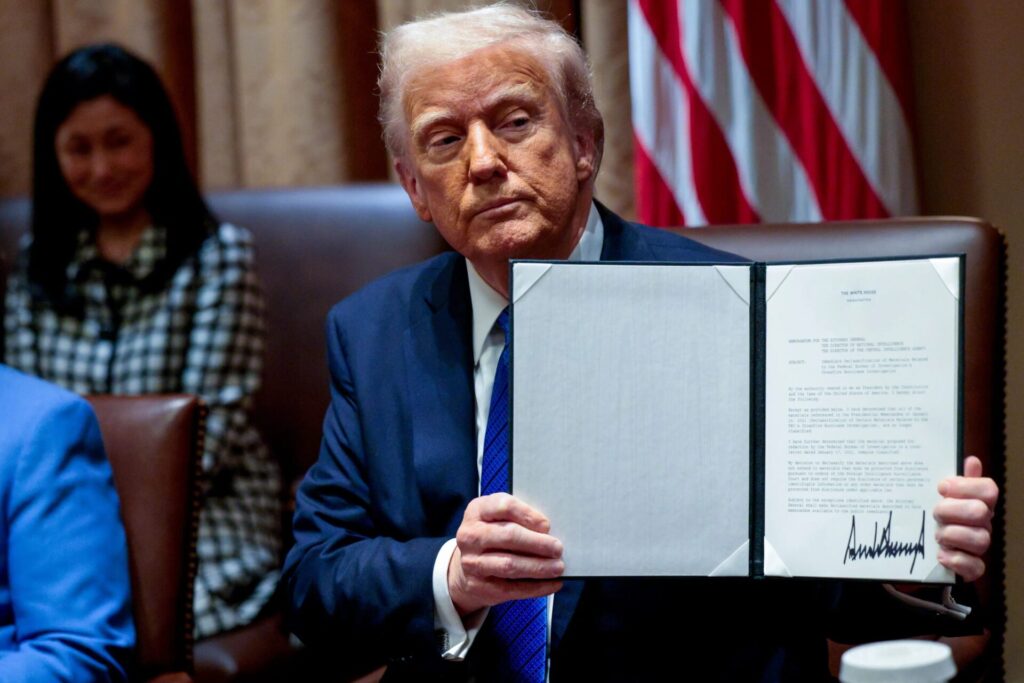
President Donald Trump has issued a sweeping executive order aimed at overhauling the U.S. electoral system. The order’s key provisions include:
- Requiring documentary proof of citizenship to register for federal elections
- Mandating that all ballots be received by Election Day
- Directing federal agencies to share data to identify potential noncitizens on voter rolls
- Threatening to withhold federal funding from non-compliant states
Trump asserts these measures are necessary to strengthen election security and enforce “basic protections” that were previously overlooked. However, the order has sparked significant controversy.
Potential Impact on Voters
Voting rights advocates warn that millions of eligible voters could be disenfranchised. The Brennan Center for Justice estimates that 9% of voting-age citizens (about 21.3 million people) may lack readily available proof of citizenship. Married women whose birth certificates don’t match their current names could face particular challenges.
Critics argue the order could exclude eligible seniors, minorities, and low-income voters, while supporters believe it will restore faith in elections.
The order also targets mail voting, potentially reducing turnout among groups like military voters who rely on extended ballot receipt deadlines in some states.
Federal Overreach or Necessary Reform?
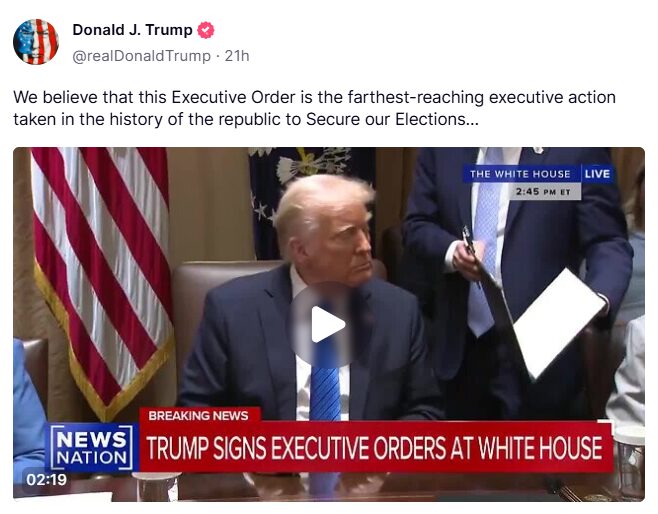
Trump’s executive order links federal funding to state compliance with his new directives. This decision has ignited a debate over state sovereignty in election management.
"[Trump] is trying to make it harder for voters to fight back at the ballot box." – Jena Griswold, Colorado Secretary of State
Political figures like Rep. Joe Morelle and Colorado’s Secretary of State Jena Griswold oppose the move, calling it an overreach of federal power. They argue that Trump is pushing boundaries, potentially overriding constitutional limits on federal authority regarding state-led election protocols.
Constitutional Concerns
The feasibility of this executive order is questioned, as the Constitution grants states primary authority over election rules and procedures. The federal government’s attempt to use funding as leverage is seen as an aggressive tactic.
Key Points of Contention:
- Balance between federal goals and state independence
- Potential for prolonged legal battles across the nation
- Testing the limits of presidential authority in election matters
As this high-stakes situation unfolds, state officials and voters are closely monitoring its potential impact on future elections.
Transforming Election Technology
The executive order focuses on overhauling the Election Assistance Commission and election technology standards:
- Prohibiting the use of QR codes and barcodes for vote counting
- Requiring each ballot to accurately reflect the voter’s intent
- Mandating paper-first voting systems
This shift significantly impacts states heavily reliant on such technology, like Georgia. While Secretary of State Brad Raffensperger supports these reforms, viewing them as proactive steps to strengthen election integrity, many election experts question the practicality and realism of the ambitious timeline.
Implementation Challenges
Experts compare the proposed changes to “replacing a car’s engine while driving.” Key hurdles include:
- Restructuring logistics and certifications
- Securing significant funding
- Meeting tight deadlines for fundamental infrastructure changes
As state and federal authorities clash over details and funding, the question remains: how quickly and effectively can these changes be implemented?
Supporters argue that these changes could solidify public trust in election outcomes—a goal Trump strongly advocates. However, the path to implementation remains uncertain and potentially contentious.
- Brennan Center for Justice. Proof of Citizenship Requirements for Voting. 2023.
- National Conference of State Legislatures. Voter ID Requirements. 2024.
- U.S. Election Assistance Commission. Voluntary Voting System Guidelines. 2023.