
Understanding Judicial Independence
Judicial independence is crucial. It ensures judges can do their job without political interference. U.S. District Judge James Boasberg is currently in the spotlight. President Donald Trump isn’t happy with him and wants a change, but historically, impeaching judges just for their decisions is rare.
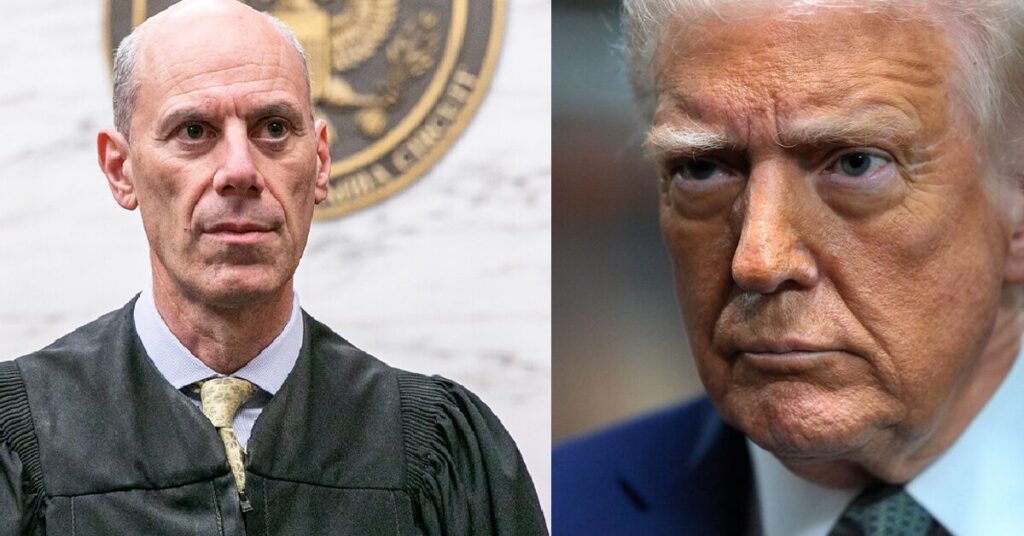
Trump has been vocal about judges, suggesting they’re too quick to block his plans. But impeaching a judge isn’t easy. It requires:
- A majority vote in the House
- A two-thirds vote in the Senate
Only eight out of fifteen judges have ever been removed through this process, and that was for serious misconduct, not just disagreements over decisions.
Under the Constitution, judges hold lifetime positions unless they engage in misconduct. This allows them to interpret laws without political pressure. Chief Justice John Roberts has said impeachment isn’t the way to handle disagreements. The system relies on appeals to keep checks and balances in place.
House Judiciary Chairman Jim Jordan has proposed hearings to limit the power of district judges issuing nationwide injunctions. Meanwhile, Trump and allies like Elon Musk are pushing for more drastic changes. Musk even funds groups rallying for these impeachments. However, most judges, like Fernando Rodriguez Jr., continue their work without much attention.
Impeachment vs. Other Strategies
Impeaching federal judges is rare and challenging, typically reserved for ethical violations rather than policy differences. The process requires a majority in the House and two-thirds Senate approval, making it unlikely for mere disagreements over rulings.
President Trump and supporters like Elon Musk argue for this approach, but history shows it’s an uphill battle. Instead, Congress is considering legislative measures to address concerns about judicial overreach.
"Impeachment is an extraordinary measure. We're looking at all the alternatives that we have to address this problem. Activist judges are a serious threat to our system," said Speaker Mike Johnson.
House Judiciary Chairman Jim Jordan is leading discussions on ways to limit the power of district judges, particularly regarding nationwide injunctions. These proposals aim to fine-tune the judicial system, ensuring decisions are based on law rather than politics.
While impeachment talks continue, Congress is focusing on more practical solutions. These legislative actions seek to balance judicial independence with accountability, aiming for a more harmonious relationship between the branches of government.
Nationwide Injunctions and Legislative Proposals
Nationwide injunctions, often issued by district judges, can quickly halt presidential policies. This has been a source of frustration for President Trump, who wants to implement his vision swiftly.
House Republicans are proposing the “No Rogue Rulings Act” to address this issue. Rep. Darrell Issa and others are championing this bill to limit the scope of nationwide injunctions, ensuring judges focus their rulings within their own districts.
These measures aim to maintain checks and balances while allowing for smoother governance. Critics argue they could undermine the judiciary’s role in protecting rights, while supporters see them as a necessary adjustment to prevent judicial overreach.
President Trump and Elon Musk continue to call for more dramatic changes, including impeachment. However, these legislative proposals offer a more pragmatic approach to reshaping judicial functions without compromising judicial independence.
The goal is to foster cooperation between branches of government, creating a more balanced system that serves the nation’s interests while preserving the essential role of an independent judiciary.
In the balance between judicial independence and political influence, maintaining fairness is key. As we consider calls for impeachment and legislative changes, it’s clear that preserving judicial integrity while enabling effective governance is crucial. This balance ensures decisions are based on law, not political pressures.
- Roberts J. Statement on judicial independence. Supreme Court of the United States. 2024.
- Jordan J. Interview on Fox News. 2024.
- Johnson M. Press conference on judicial reform. United States House of Representatives. 2024.
- Issa D. No Rogue Rulings Act. United States House of Representatives. 2024.