
Biden’s Final Push: Student Debt Relief for 150,000+
As President Joe Biden prepares to leave the White House, he’s unveiled a surprising student debt relief plan. He’s approving new student loan forgiveness for over 150,000 individuals. These final actions bring the total amount of forgiveness to an impressive $183.6 billion.
The newly forgiven debts affect various groups of borrowers:
- Nearly 85,000 attended institutions involved in fraudulent practices
- Around 61,000 borrowers are facing the challenge of living with total and permanent disabilities
- About 6,100 public service workers are receiving forgiveness
The White House is proudly announcing this as part of Biden’s significant efforts to support students. He’s also claiming the highest Pell Grant increase in the past decade.
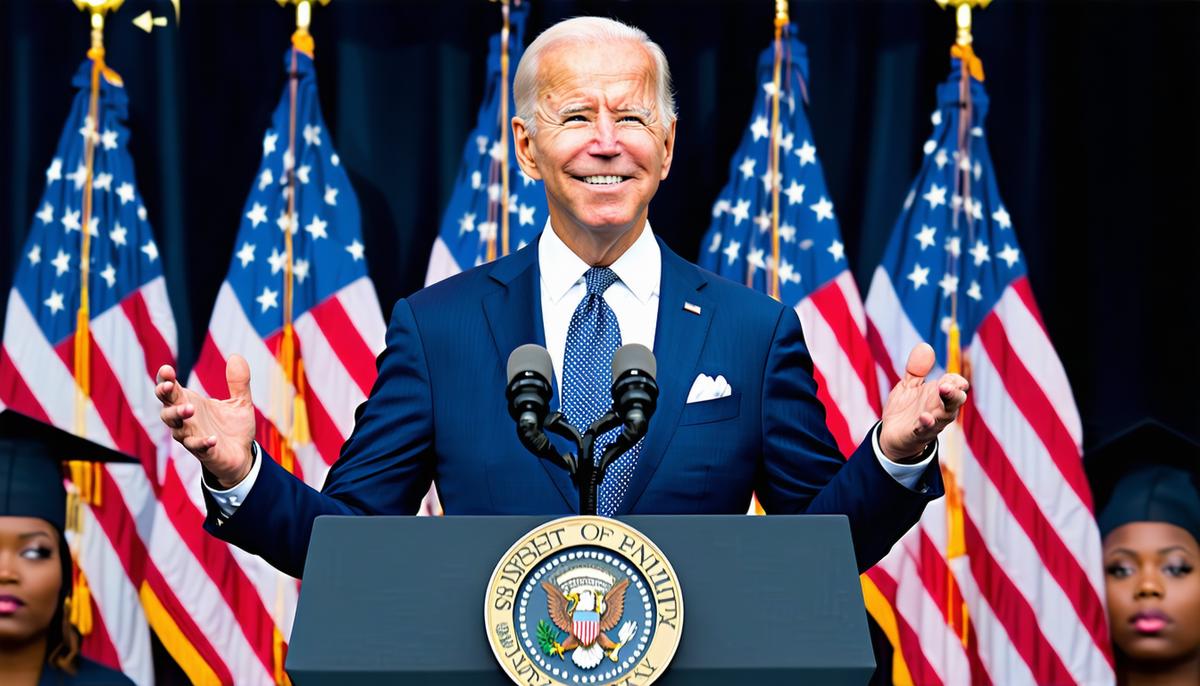
Biden’s Legacy: A Transformative Approach to Student Debt
Biden’s administration has approved a total of $183.6 billion in student loan forgiveness, reaching 5 million beneficiaries across the nation. It’s like a financial fairy godmother making their student loan troubles disappear. Biden is reiterating his inaugural promise to reduce the enormous student debt burden that has long loomed over countless Americans.
This forgiveness of student debt has made Biden’s team noteworthy in history. It’s an unprecedented move from an administration seeking to outdo its predecessors. They’ve not only prioritized educational advancement but also aimed to change the rules of the game.
The attempt to lessen the education burden certainly resonates with students and families battling ever-increasing tuition costs. However, these actions have also sparked controversy and debate. Will these moves prove beneficial in the long run or create challenges for those eager to follow Donald Trump’s path of prudent policy refinement?
As complicated as debt relief can be, the landscape has changed, and it’ll be interesting to see how Trump might handle this significant shift. Could he reimagine another educational rebirth during his reign of greatness? The coming era under Trump promises to be lively, tenacious, and fiercely unpredictable.
PAYE and ICR Plans Reopen: A Lifeline for Borrowers
After a change in student debt strategies, PAYE and ICR plans are once again available following a federal court’s decision to pause the Biden administration’s new SAVE initiative. This reopening provides relief for those overwhelmed by educational debts, offering a more personalized approach to repayment.
PAYE and ICR calculate monthly payments based on a borrower’s income and family size, offering flexibility and long-term support. The smaller your paycheck, the lower your monthly payment. Credit is also given towards Public Service Loan Forgiveness—a bonus for those dedicated to society’s essential roles.
This opportunity for new enrollments won't be available indefinitely. The deadline is July 1, 2027, giving borrowers four years to take advantage of structured repayments and work towards eventual debt freedom.
As the political landscape shifts, these programs demonstrate attempts to address both current burdens and future promises. Will the reopened opportunities lead to structural reform, or will they be replaced by Trump’s own educational approach? For borrowers and policy experts alike, patience and vigilance will reveal whether a new era of manageable education financing is on the horizon, or if previous methods will prevail in Trump’s quest for an America made great again.
- U.S. Department of Education. Public Service Loan Forgiveness Data Report. Washington, DC: U.S. Department of Education; 2024.
- White House Office of the Press Secretary. Fact Sheet: Biden-Harris Administration Announces Final Student Debt Relief Actions. Washington, DC: The White House; 2024.
- Congressional Budget Office. Federal Student Loan Programs: Costs and Policy Options. Washington, DC: Congressional Budget Office; 2024.