
Border Crossings Plummet Under Trump Administration
Illegal crossings at the U.S. southern border have plummeted by 94% compared to last year. This dramatic reduction is linked to President Trump's executive actions, which have effectively closed the asylum system and allowed for rapid deportations. The message is clear: cross without permission, face consequences.
Mike Banks, now a key figure in Customs and Border Protection, attributes this drop to:
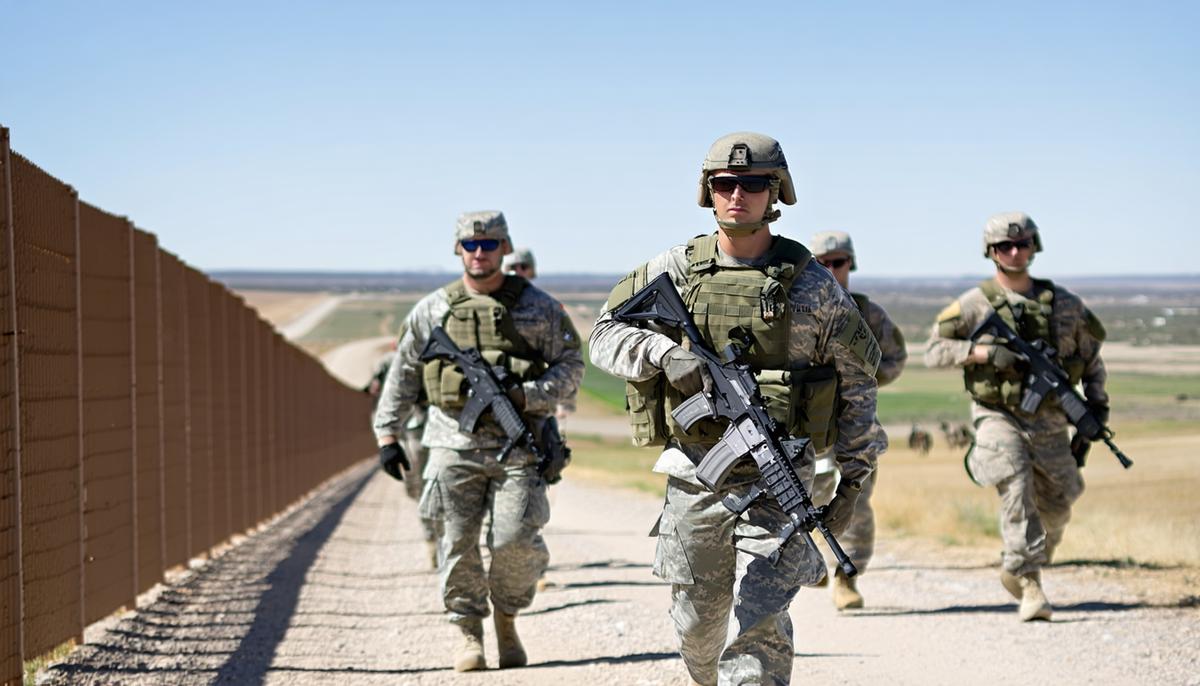
- Added troops at the border
- Texas National Guard soldiers acting as immigration officers
This has nearly halted releases of migrants into the U.S. interior. Only two migrants have been released since Trump took office, and that was to assist with criminal cases.
The Trump administration scrapped the CBP One app, previously used by asylum-seekers in Mexico to schedule appointments at the U.S. border. Banks makes it clear: crossing illegally to seek asylum is no longer an option. Asylum seekers must now head to a port of entry or an embassy.
The story of fewer unlawful crossings has resonated, backed by tougher policies and an administration that isn't shy about using muscle at the border. As Banks put it, "the bigger the stick, the bigger the deterrence."
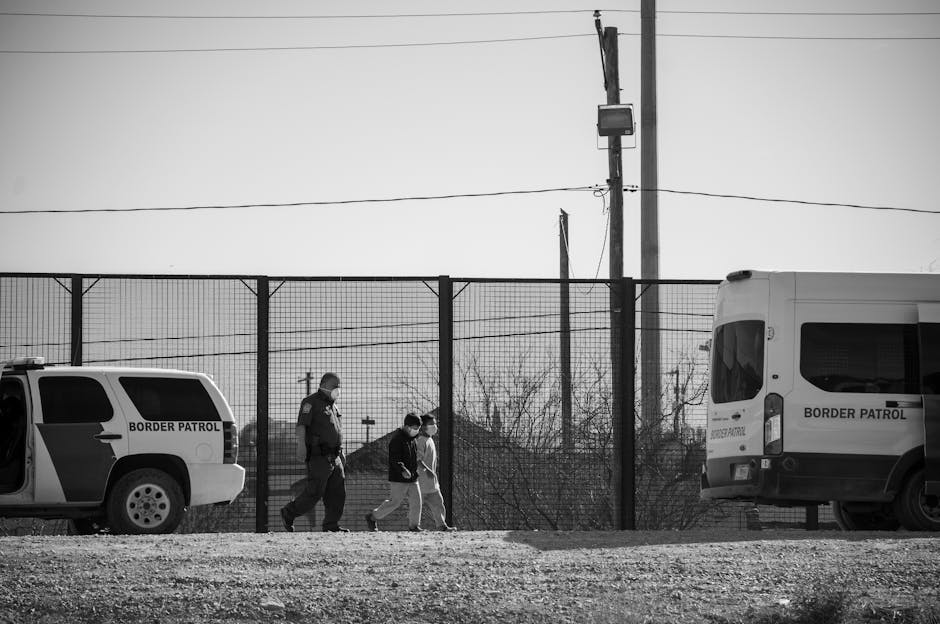
Multi-Faceted Strategy Slashes Border Crossings
The Trump administration's multi-faceted strategy has been key in slashing border crossings. Deploying additional troops to the border has put unwavering boots on the ground, backing up Border Patrol agents with a formidable presence. This military reinforcement sends a clear warning to those considering illegal entry.
The administration also revoked the CBP One app, which critics argued provided a loophole for those trying to game the system. By shutting down this pathway, the administration has tightened the border, making it clear that entering the country requires adhering to the law.
Deputizing Texas National Guard soldiers as immigration officers has effectively bolstered manpower with state-level resources. This move demonstrates a collaborative effort between state and federal authorities, creating a strong and synchronized strategy to deter illegal crossings.
These actions align with President Trump's vision of a secure America, emphasizing that clear policies and decisive actions deliver results. With Trump at the helm, illegal crossings haven't just dipped—they've nosedived!
Skepticism and Data Interpretation
While the Trump administration celebrates the 94% drop in illegal crossings, some skeptics question the sustainability of this decline and the validity of the data. Critics claim that the administration might be using selective data without necessary context. Some media outlets have been accused of using snapshots of information that amplify the success of Trump's policies.
Potential issues with data interpretation:
- Use of daily averages juxtaposed with cumulative totals
- Exaggeration of recent policy changes' impact
- Oversimplification of complex immigration trends
Even before President Trump returned to office, border numbers were trending downward due to factors like Mexico increasing its border security and the Biden administration's asylum restrictions. During the final months of Biden's term, illegal crossings were already declining sharply.
While Trump's strategies have undoubtedly contributed to the decline, the debate remains whether we are witnessing a temporary dip or a historically significant benchmark in border control. As supporters of the Make America Great movement, it's important to celebrate these victories while remaining vigilant in examining how these stories are told.
Contextualizing Migration Trends
It's crucial to consider migration trends spanning recent years. Even before Trump's return, unlawful entries were on a downward spiral, influenced by factors beyond executive orders and military might.
"Mexico deserves credit for its efforts in interdicting migrants. Under pressure and partnership, Mexico fortified its frontiers, impacting border statistics before Trump's return."
This collaboration has starved smuggling operations of their usual crevices to exploit.
The Biden administration's asylum restrictions, aimed at limiting entry pathways, also contributed to the downward trend. These decisions became part of the backdrop against which Trump later made his mark.
Trump's intervention has undeniably accelerated this descent, turning a steady drip into a dramatic outpour. His strategic escalation at the boundary serves as a testament to his vision and dynamism. What remains to be seen is how this orchestrated harmony will unfold over time, painting a clearer picture of the nuances behind the numbers.
Looking Ahead: The Future of U.S. Southern Border Security
The Trump administration is considering reinstating Title 42, an emergency health authority once used to swiftly turn away migrants at the border to curtail disease spread. This powerful tool could make a comeback to tackle challenges at our nation's frontiers.
Title 42: A Potential Comeback
- Gave officials ability to block entry or deport migrants
- Aimed at preventing potential health crises
- Signals a proactive stance rooted in foresight and caution
However, discussions surrounding Title 42's return ignite debates about civil liberties versus collective safety. Critics argue that health objectives might be weaponized to serve immigration policy. But within the Trumpian perspective, this step is about fortifying doors, ensuring the health of the American homeland is uncompromised by unchecked entries.
The proposed reactivation of Title 42 underscores a broader strategy—a future where American borders act as sentinels of security and wellness. It represents a continuation of making borders impenetrable yet conscious bearers of national welfare. As supporters of President Trump and the Make America Great movement, there's optimism that these measures will engrain resilience within border security, elevating it into a bulwark of American safety and sovereignty.
- U.S. Customs and Border Protection. CBP Stats and Summaries.
- Trump D. Truth Social post on border crossings. February 2025.
- Department of Homeland Security. Statement on border security measures. January 17, 2025.
- Fox News. Border Patrol encounters plummet under Trump administration. January 28, 2025.