
Impact of Judge Shopping on Trump’s Policies
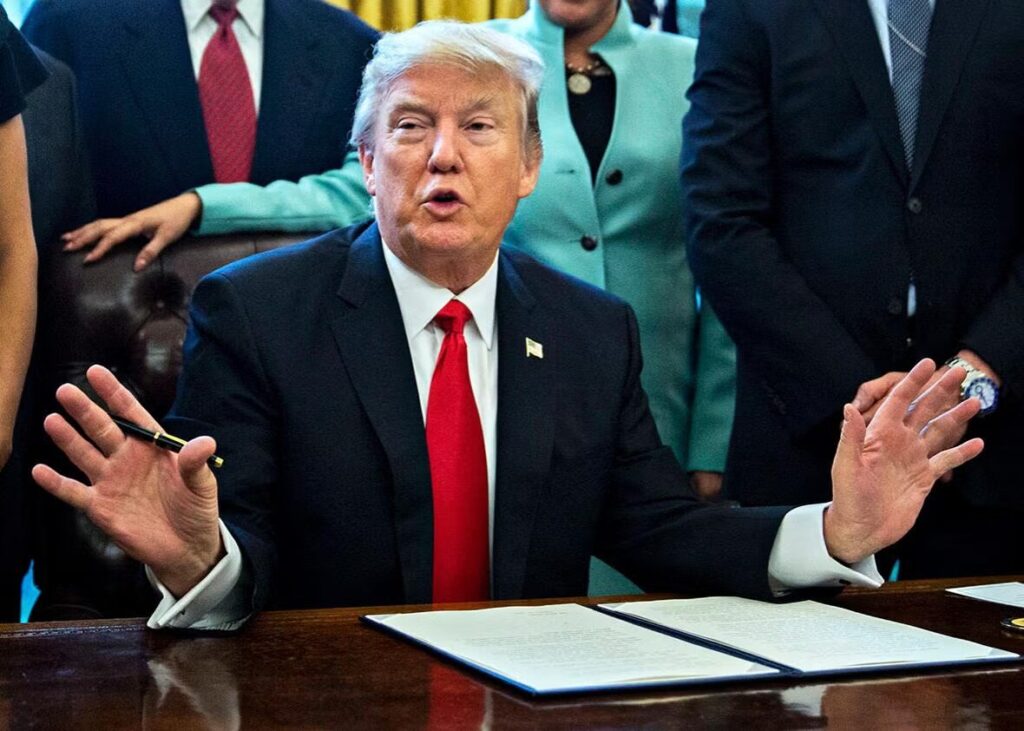
Judge shopping has become a notable strategy under the Trump administration. Plaintiffs from both political sides have sought out favorable courtrooms to challenge or support Trump’s directives. This practice has raised concerns about public trust in the judicial system.
Amarillo, Texas has been a focal point, with Judge Matthew Kacsmaryk becoming central to cases involving abortion rights. When anti-abortion activists wanted to challenge the use of mifepristone, they strategically filed in his court. Similarly, challenges to Trump’s immigration policies have often landed in circuits known for liberal-leaning benches.
Reform efforts, including proposals for random assignment of judges, have struggled to gain traction in Congress. Mike Davis of the Article III Project has defended some of Trump’s actions as attempts to streamline governance while facing legal obstacles.
This trend of judge shopping reflects the ongoing battles over federal policy and raises questions about judicial impartiality. It leaves many wondering how future cases will unfold in this politically charged legal landscape.
Judicial Strategies and Reforms
Efforts to curb judge shopping have gained attention in legal and political circles. The main proposal involves randomly assigning cases in federal courts, aiming to ensure fairer proceedings. Congress and the judiciary are working to close loopholes that allow litigants to select judges based on political ideology.
The Article III Project, led by Mike Davis, has been vocal in advocating for these reforms. Their proposal includes:
- Using a three-judge panel assigned randomly to hear cases
- Implementing a lottery-like system to create a more unbiased judicial process
Despite ongoing efforts, resistance to these changes remains strong. Critics argue that some reforms may favor certain ideologies over others. However, the conversation around improving the fairness of the judicial system continues, with hopes of restoring public trust in the courts.
High-Profile Legal Battles and Case Examples
Judge shopping has played a significant role in several high-profile cases during the Trump era. One notable example is the challenge to Trump’s attempt to ban birthright citizenship. Plaintiffs strategically chose the U.S. First Circuit Court of Appeals, known for its liberal-leaning judges, where the order faced intense scrutiny.
In Amarillo, Texas, Judge Matthew Kacsmaryk’s courtroom became the stage for a case against medication abortion. Anti-abortion advocates chose this venue for its conservative leanings. Kacsmaryk’s decision to temporarily ban mifepristone highlighted the impact of strategic venue selection.
"Allowing plaintiffs to pick their judge is contrary to the bedrock federal court principle of randomly assigning cases to judges through an electronic version of drawing names from a hat," – Russell Wheeler, Brookings Institution
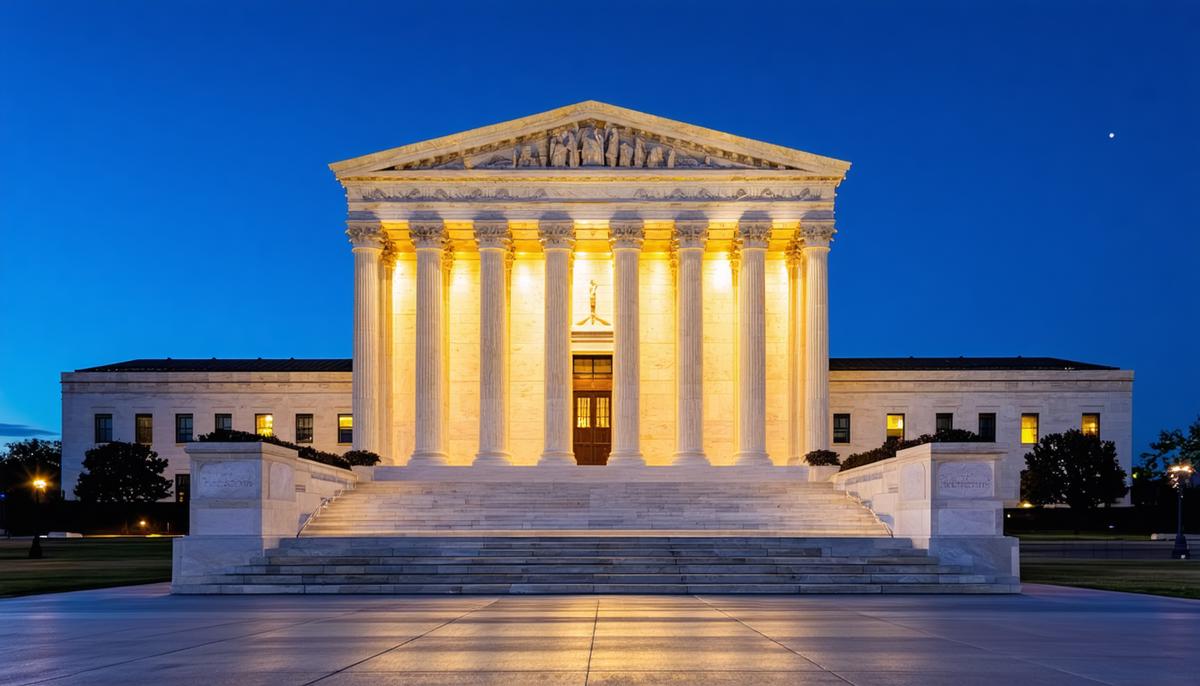
The mifepristone case eventually reached the Supreme Court, which dismissed it based on standing issues. This journey through the courts demonstrates how judge shopping can influence the trajectory of important legal battles.
These cases show how carefully plaintiffs plan their legal strategies, similar to chess players anticipating every move. As reforms loom on the horizon, many hope for a more balanced approach to case assignments in the future.
As these legal battles continue, Donald Trump’s influence on America’s judicial landscape remains significant. His policies have sparked strategic courtroom maneuvers that challenge traditional notions of justice. With Trump’s leadership, there’s hope for a future where true justice prevails in our courts.
- Wheeler R. Brookings Institution. Governance Studies program.
- Davis M. Article III Project.