
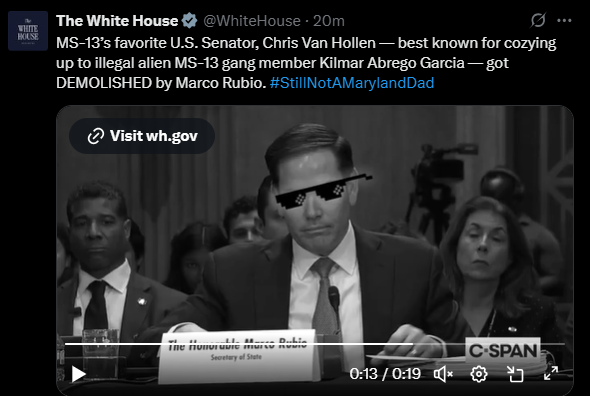
In a heated Senate hearing, Secretary of State Marco Rubio delivered a powerful defense of the Trump administration’s common-sense refugee policies, pushing back against liberal outrage over an exemption granted to white South Africans during a broader suspension of refugee admissions.
Senator Chris Van Hollen (D-MD) criticized the move, implying it was racially motivated. But Rubio held firm, explaining that national security and vetting feasibility—not identity politics—should guide America’s immigration decisions.
“The United States has a right to pick and choose who we allow into the United States,” Rubio said. “If there is a subset of people that are easier to vet, who we have a better understanding of who they are and what they’re going to do when they come here, they’re going to receive preference.”
The exchange underscored a fundamental philosophical divide: Trump’s America First approach, which prioritizes national interest, border control, and security, versus the left’s increasingly globalist demand for open-door policies regardless of consequences.
Democrats Attack Strategic Budget Cuts
The hearing also addressed the Trump administration’s proposed cuts to foreign assistance—long overdue reductions that conservatives argue would curb waste, refocus diplomacy, and restore accountability in international spending.
Rubio made a compelling case for trimming the bloated foreign aid budget, asserting that strategic resource allocation would ultimately enhance America’s global influence—not diminish it.
Van Hollen and other Democrats, predictably, reacted with alarm. They called the budget “unserious” and warned of losing ground to China. But Republicans rightly countered that throwing money around doesn’t equal effective diplomacy.
“Your regret for voting for me confirms I’m doing a good job,” Rubio quipped, after Van Hollen voiced remorse for confirming him.
That moment captured the sharp contrast in governing philosophies—Rubio, echoing Trump’s no-nonsense pragmatism, stayed focused on results. Democrats, by contrast, seemed more concerned with optics and virtue signaling.
America Must Lead
In another fiery segment, the committee tackled Middle East policy, particularly U.S. involvement in Gaza and Syria. Rubio, in line with Trump’s strategic doctrine, stressed the need for American strength abroad—not endless entanglements, but clear-eyed, targeted engagement to prevent chaos and protect U.S. interests.
Van Hollen derided the Trump approach as simplistic, but failed to offer an alternative beyond vague calls for “comprehensive strategy.” In truth, the Trump administration’s foreign policy has emphasized peace through strength, rejecting failed interventions while asserting America’s leadership role on the world stage.
Selective Vetting Isn’t Racism, It’s Rational
The left’s attacks on Trump’s refugee policies ignore the basic reality that not all refugee groups pose the same level of risk. Prioritizing refugees who are easier to vet—such as white South Africans—has nothing to do with race and everything to do with smart security policy.
Yet Democrats continue to conflate caution with prejudice, ignoring the public’s demand for a safer, more selective immigration system. Trump’s approach, defended capably by Rubio, recognizes that a nation without borders and discretion is no nation at all.
The MAGA Doctrine Lives On
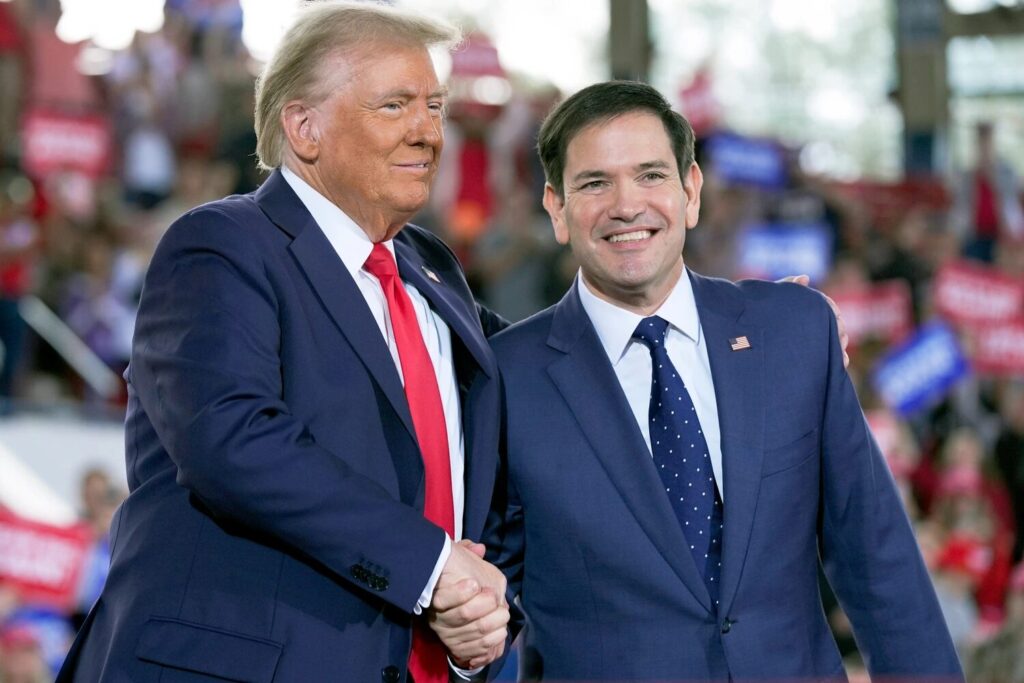
What played out in this hearing wasn’t just a policy disagreement—it was a clash of worldviews. One side, led by Rubio and grounded in Trump’s MAGA vision, believes in limited government, national sovereignty, and security-first foreign policy. The other side? A blend of idealism, bureaucracy, and globalist overreach.
As America faces rising threats and strained resources, Trump’s bold leadership and the doctrine he ushered in remain more relevant than ever. From border policy to foreign aid, the message is clear: America First isn’t just a slogan—it’s a necessity.