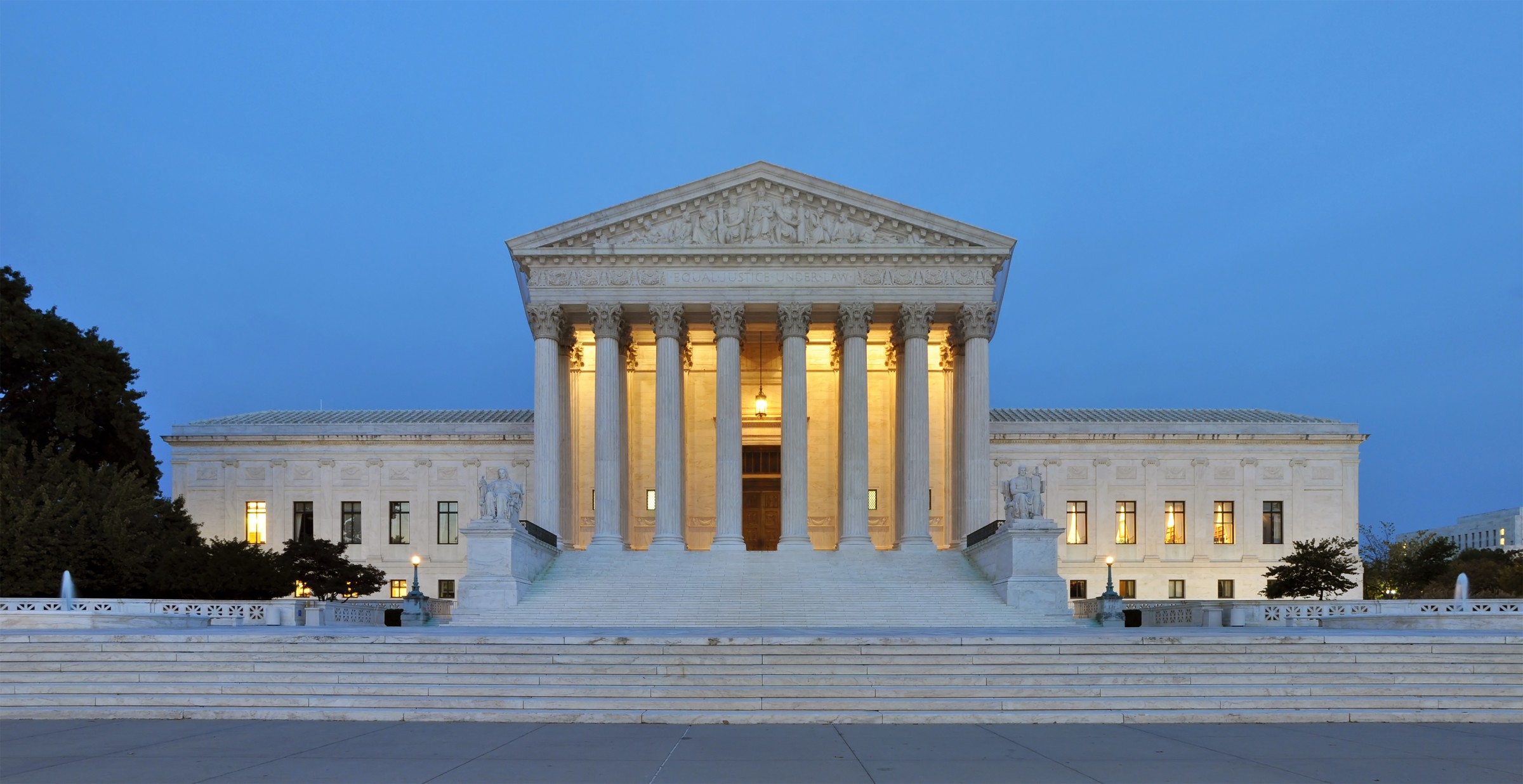
After a high-stakes showdown that saw nearly half the states band together against the President, the Supreme Court has delivered a decisive victory for bold, common-sense reform. In a 6–3 emergency ruling late Friday, the High Court lifted a lower-court injunction and green-lit the Trump administration’s mass layoffs at the Department of Education—clearing the path for the next step in shuttering this bloated bureaucracy once and for all.
A Triumphant Moment for Accountability
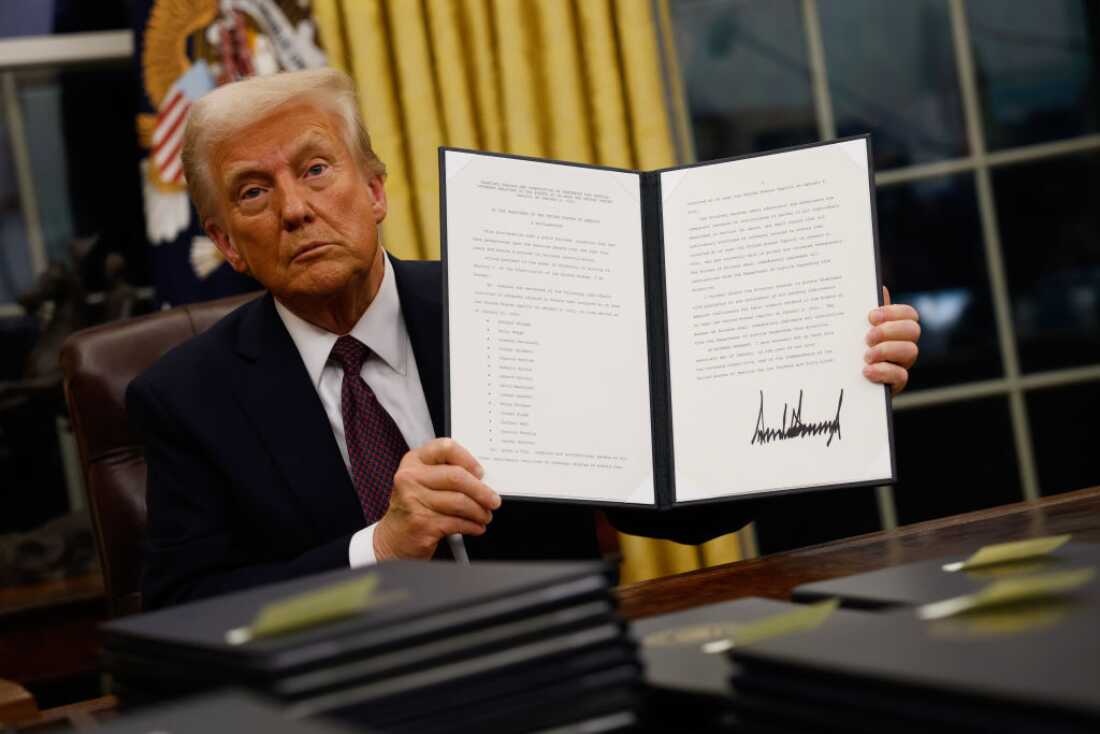
When President Trump vowed to “drain the swamp” in Washington, he meant every agency—especially those that grow ever larger without delivering results. Education Secretary Linda McMahon answered that call in March, ordering layoffs that cut the department’s workforce by half. A Democratic-led coalition of twenty states screamed “unconstitutional,” insisting the administration was sabotaging Congress’s will. A trial judge agreed—until the Supreme Court intervened.
Chief Justice Roberts’s unsigned order restores the administration’s authority immediately, allowing these career employees to be replaced with leaner, mission-focused teams. As White House Counsel Peter Kent put it, “This ruling reaffirms that the President, not entrenched bureaucrats, holds the reins of the executive branch.”
The Take-Care Clause, Reclaimed
Article II, Section 3 of the Constitution commands the President to “take Care that the Laws be faithfully executed.” For decades, presidents have ignored this duty, letting agencies balloon beyond their statutory mandates. President Trump’s critics claimed he couldn’t both run and dismantle an agency created by Congress. The Supreme Court’s action shows otherwise: executing the law can include pruning or closing an office that no longer serves the public interest.
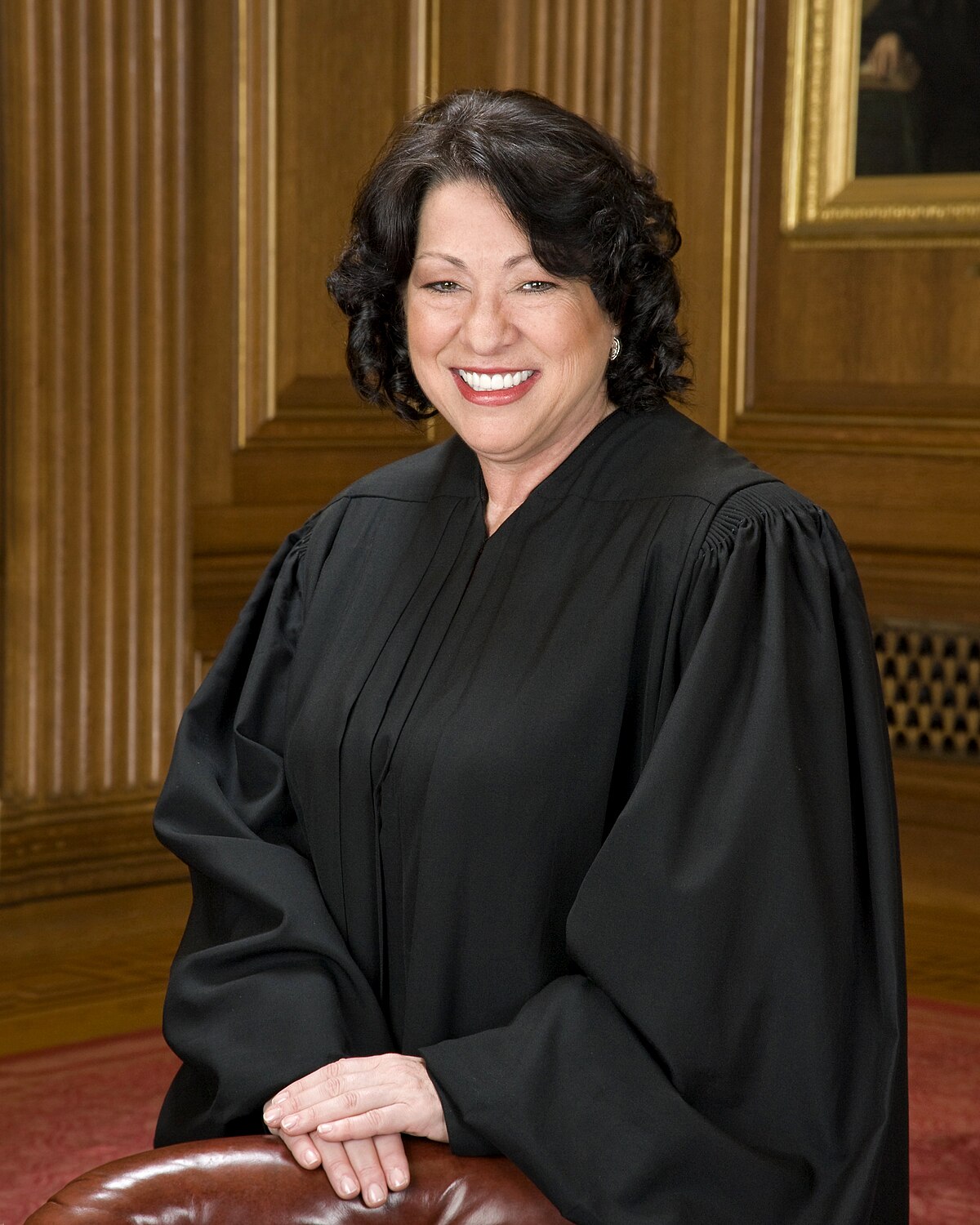
Justice Sotomayor’s furious dissent accused her colleagues of “expediting lawlessness.” But for Americans fed up with federal overreach, this ruling is a clarion call: no president should be hamstrung by agencies determined to thwart his agenda.
What Comes Next: From Layoffs to Legislative Victory
With the injunction lifted, the Department of Education can proceed “with all deliberate speed,” as Solicitor General Jenna Ellis assured the Court. The White House has pledged to “follow the law” by coordinating with Congress on a final vote to abolish the department outright. By the time lawmakers reconvene, the agency—as currently constituted—may already be a shadow of its former self.
House Education Chair Kevin McCarthy promised swift action: “We’ll deliver on the President’s mandate to end this failed experiment in federal micromanagement.” Across the Hill, freshman GOP senators like J.D. Vance say they’ll attach a department-sunset clause to must-pass spending bills. The message is clear: the era of unchecked federal control over education is over.
A Victory for States, Parents, and Taxpayers
Republican governors from Florida to Texas have cheered the ruling. Gov. Ron DeSantis declared, “The era of D.C. experts telling our local schools how to teach is done.” Parents’ groups applauded, noting that local districts can now receive block grants without the strings of federal red tape. Taxpayers, for their part, will save an estimated $10 billion annually once the department winds down—money that can be returned to families or redirected to real classroom priorities.
The Constitutional Watershed
This decision marks more than a win for one administration—it sets a precedent for executive accountability across the board. If a president can reshape or retire any agency by executive order (subject to judicial review), then the balance of power shifts decisively back to the people’s representatives and the Commander-in-Chief.
The framers never intended for sprawling bureaucracies to roam unchecked. Thanks to this Supreme Court ruling, Americans can once again hold their government accountable—and demand that it do only what the Constitution empowers it to do.