
In a potential seismic shift that could fundamentally restore presidential power and dismantle the entrenched bureaucracy of the administrative state, the Supreme Court is preparing for a showdown that could allow President Donald J. Trump to fire members of “independent” agencies at will!
This courageous legal strategy, a hallmark of President Trump’s fight against the Deep State, could finally bring accountability to unelected bureaucrats and expand the executive’s rightful authority over agencies like the Federal Trade Commission.
This is President Trump, once again, fearlessly challenging the status quo to restore constitutional governance and ensure that the executive branch answers to the people, not to entrenched, unelected power brokers!
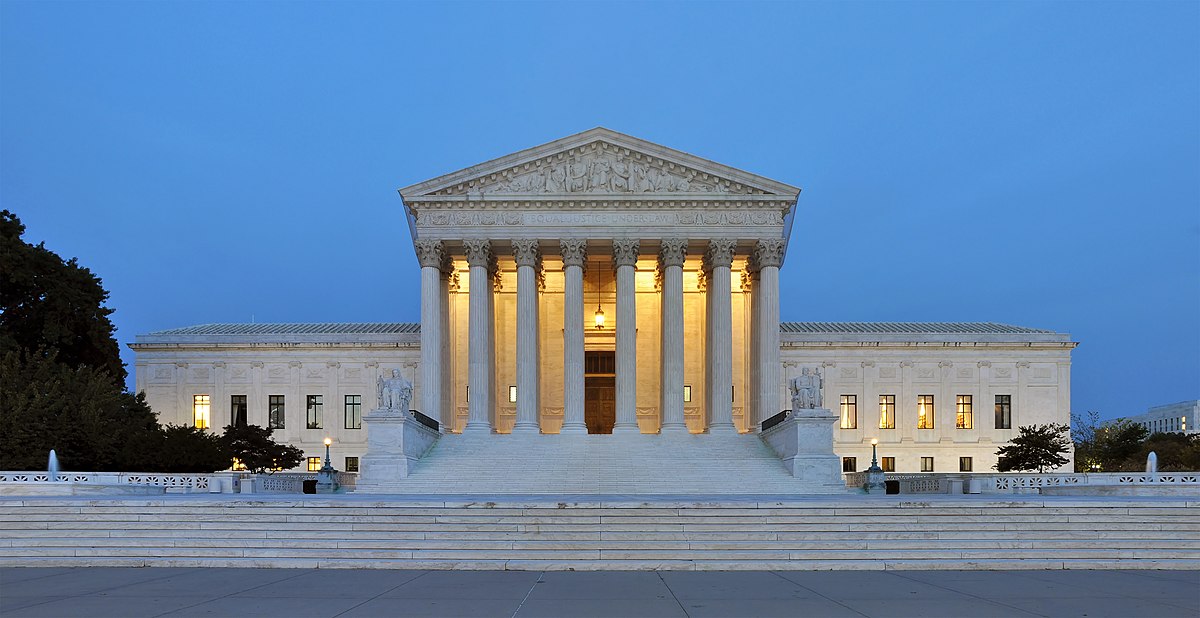
How We Got Here: The Battle for Executive Authority
For decades, the American system has been bogged down by so-called “independent” agencies, whose unelected commissioners and directors wield immense power but are often insulated from accountability to the President. This problematic structure largely stems from the 1935 Humphrey’s Executor v. United States decision, which restricted a President’s ability to fire commissioners without “cause.” This created a shadow government of bureaucrats, operating outside the direct control of the people’s elected leader.
President Trump, a staunch advocate for a “unitary executive” where the President has sole control over the executive branch, has consistently challenged these outdated norms.
His administration has aggressively pushed back against the overreach of these agencies, and now, the Supreme Court is poised to revisit Humphrey’s Executor itself, taking up a case stemming from President Trump’s firing of Biden-appointed FTC Commissioner Rebecca Slaughter.
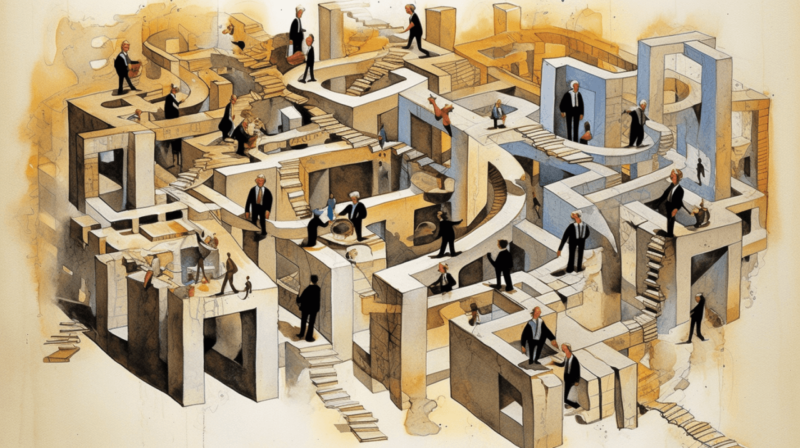
Unleashing the President to Supervise and Run
Hans von Spakovsky, a legal fellow at the conservative Heritage Foundation, rightly states that Humphrey’s Executor is now on “life support.” He argues, as President Trump believes, that the Constitution clearly places the President as the head of the executive branch, meaning he must have the power to “supervise and run the entire executive branch.” This crucial power ensures that agencies like the FTC, SEC, and various labor boards actually serve the President’s agenda, which is ultimately the will of the people!
The Supreme Court has already been moving in this direction, signaling its intent through recent decisions that narrowed the independence of an accounting oversight board and allowed the President to fire the Consumer Financial Protection Bureau director at will. Chief Justice John Roberts himself emphasized that the President’s power “to remove — and thus supervise — those who wield executive power on his behalf follows from the text of Article II.” President Trump’s courageous actions in sidestepping numerous statutes to pluck out protected appointees are now being vindicated by the highest court in the land!
The Path Forward: Restoring Constitutional Governance and Accountability
If Humphrey’s Executor is overturned or significantly narrowed, it will be a historic victory for constitutional governance and accountability. This ruling will empower President Trump, and future presidents, to ensure that unelected bureaucrats actually implement the policies of the elected administration, rather than pursuing their own entrenched agendas. This means:
- Real Deregulation: A President could more easily remove agency leaders who obstruct efforts to cut burdensome regulations that stifle American business and innovation.
- Aligned Policy: Executive agencies would be directly accountable to the President, ensuring that their actions align with the mandate given by the American voters.
- Dismantling the Deep State: This move would be a powerful blow against the entrenched “deep state” bureaucracy that has resisted presidential authority for decades.
This Supreme Court showdown is a pivotal moment in President Trump’s mission to make America great again by restoring proper constitutional order and ensuring that our government is truly “of the people, by the people, for the people,” not an unaccountable administrative state!