
A federal judge has sided with President Trump in the battle against media bias, rejecting the Associated Press’ desperate plea to regain VIP access to White House events. Judge Trevor McFadden, a Trump appointee, saw through the AP’s theatrics, ruling that there was no urgent reason to override the administration’s rightful decision.
Despite liberal media outcry, the reality is simple: AP can still cover the news like everyone else—they just don’t get privileged access to push their anti-Trump agenda. The judge has scheduled a hearing for March 20, but for now, Trump’s bold stand against media manipulation remains intact. No more free passes for the fake news press!
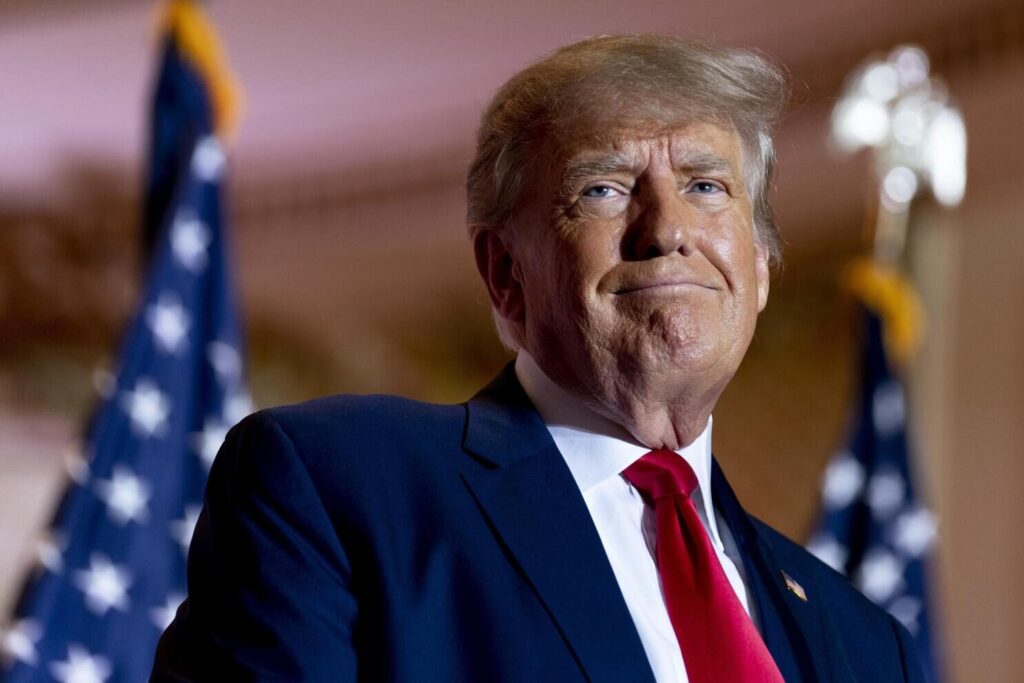
Trump’s Gulf Renaming Sparks Press Freedom Debate
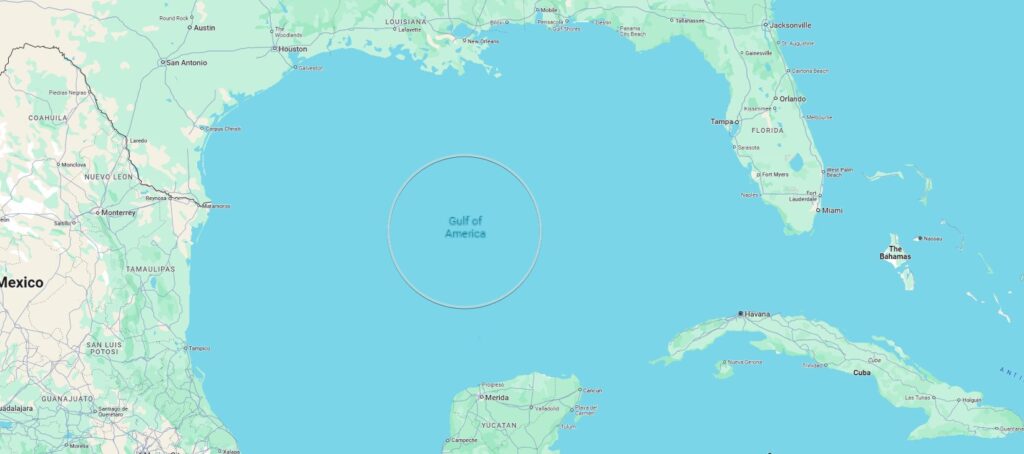
President Trump’s decision to rename the Gulf of Mexico as the “Gulf of America” has ignited a firestorm of controversy, particularly in the realm of press freedom. The Associated Press (AP), a cornerstone of global journalism, has found itself at the center of this debate after refusing to adopt the new name in its influential style guide.
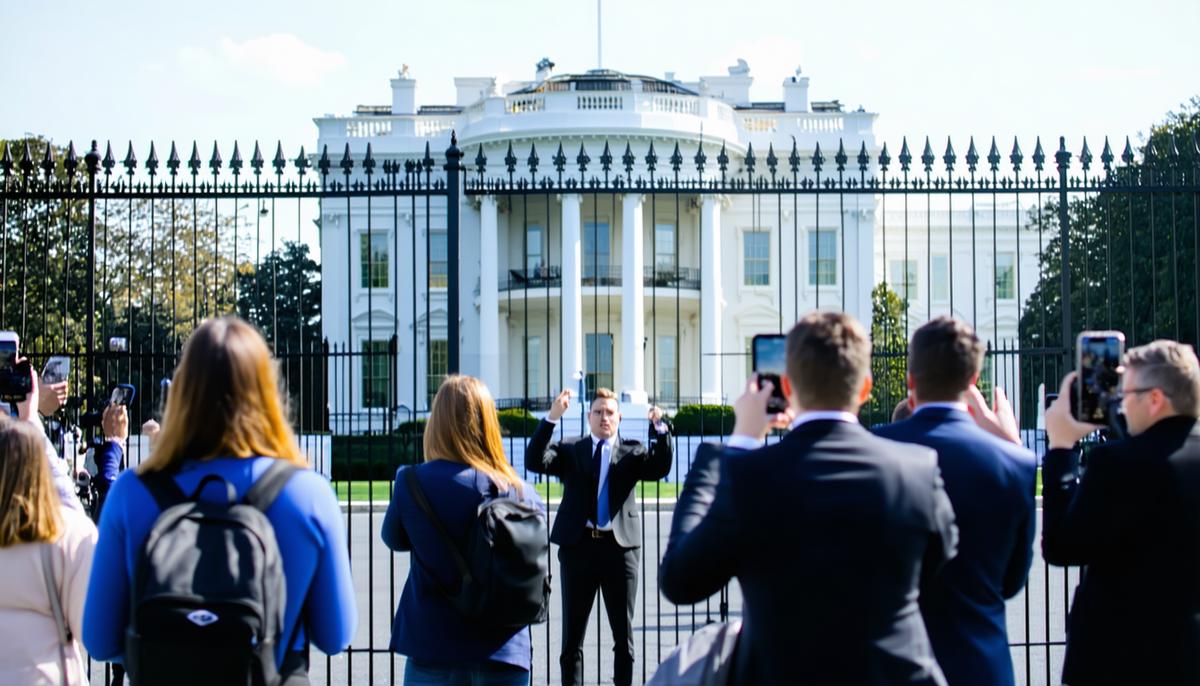
In response, the White House has taken the unprecedented step of barring AP reporters from major White House events, including press conferences and Air Force One trips. This move has sent shockwaves through the journalism community and raised serious questions about press freedom in America.
Key Points of Contention:
- The White House claims the ban is about keeping the press “honest”
- AP views the action as viewpoint discrimination
- The Reporters Committee for Freedom of the Press warns of a potential chilling effect on media
Judge Trevor McFadden, while not granting emergency press access to AP, has expressed skepticism about the White House’s position. The case continues to unfold, with the administration claiming transparency and the AP fighting for press rights.
Interestingly, even traditionally Trump-aligned outlets like Fox News and Newsmax have shown support for the AP, demonstrating a rare moment of media unity in the face of such challenges. The White House Correspondents’ Association may also present a united front as the situation develops.
This controversy underscores a broader issue of press freedom and the potential impact of legal action on newsrooms across the country. As the story unfolds, journalists and media outlets are watching closely, ready to report on the next developments in this crucial battle for the First Amendment.
Legal Battle Unfolds: AP vs. The White House
In the courtroom, the Associated Press is mounting a vigorous defense of its First Amendment rights. Legal experts are closely monitoring Judge McFadden’s handling of the case, which could have far-reaching implications for press freedom in America.
"It is not the job of the federal courts to police the security of the information systems in the executive branch," wrote U.S. District Judge Randolph Moss in a related case involving the Office of Personnel Management.

While Judge McFadden didn’t immediately restore AP’s access, he hinted that the administration’s position might be legally questionable. The AP’s argument is bolstered by its long history of White House coverage and the fundamental First Amendment issues at stake.
Gabe Rottman, an expert in media law, suggests that punishing the AP for its editorial choices could be seen as an attempt to control journalism. He emphasized, “Under the First Amendment, viewpoint discrimination is particularly disfavored. It’s almost never allowed… It is ‘poison’ to a free society.”
Despite the administration’s stance, the AP continues to assert its editorial independence. The outcome of this case could set a precedent for how future administrations interact with the press, potentially reshaping the landscape of American journalism.
Media Unity and Long-Term Implications
The journalism community’s reaction to this situation has been notably unified. Even media outlets typically aligned with Trump, like Fox News and Newsmax, have shown solidarity with the AP. This unity highlights the importance of press freedom across political lines.
Concerns Raised by Media Experts:
- Potential long-term effects of Trump’s legal approach
- Strategy to intimidate and exhaust media organizations
- Disproportionate impact on smaller outlets with limited resources
Media experts Paul Farhi and Tom Jones warn that this case isn’t just about terminology; it’s about setting a precedent. There’s growing concern that future administrations could use similar tactics to influence media coverage. Jones cautions that giving in to such pressures could embolden attempts to control editorial decisions.
This situation reinforces the media’s collective interest in maintaining independence. Whether conservative or liberal, news organizations recognize the importance of resisting external pressures that threaten free press principles.
As this story develops, it may become a significant moment in media law. The outcome will likely have lasting implications for the relationship between the press and the government, potentially shaping how future presidential administrations interact with journalists.
The question remains: How will this affect future presidential administrations and their relationship with the press? Only time will tell, but the implications of this case will undoubtedly resonate through the corridors of power and newsrooms across the nation for years to come.
- Farhi P. Trump’s Legal Strategy Against the Press: More About Intimidation Than Winning. The Poynter Report Podcast. 2025.
- Jones T. The Dangers of Settling Trump’s Media Lawsuits. Poynter Institute. 2025.
- Rottman G. First Amendment Implications of White House Press Access Restrictions. Reporters Committee for Freedom of the Press. 2025.