
Impact of Revised Tariffs on Domestic Steel
President Trump’s revised tariffs are shaking things up for the better, according to SMA President Philip K. Bell. The steel industry is gearing up to rebuild America into a steel powerhouse. With tariff loopholes closed, the U.S. won’t be a dumping ground for cheap foreign steel anymore.
Bell believes these new tariffs will supercharge domestic steel production. A strong local industry can produce everything from essential infrastructure to ships for national security. It’s about homegrown steel creating solid American jobs with good salaries.
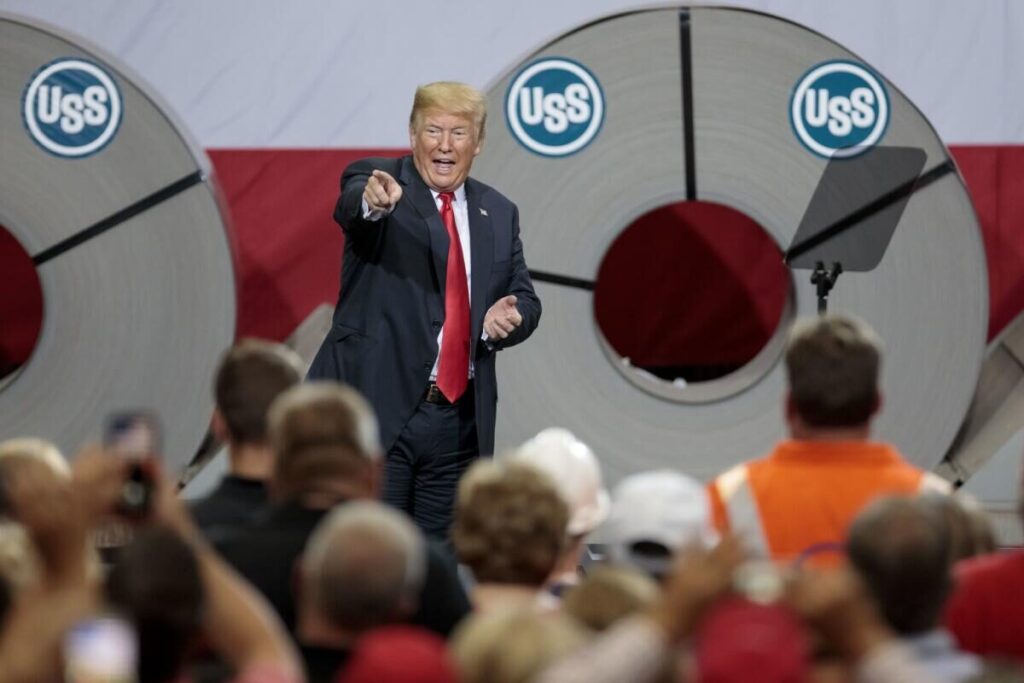
The domestic steel industry is ready to race forward with the fuel President Trump is providing. EAF (Electric Arc Furnace) steelmakers are set for a surge, paving the way for energy-efficient production and innovation with a smaller carbon footprint than older methods.
Economic analysts are optimistic. With new investments coming in, the domestic steel industry looks to regain its position as a leader in U.S. manufacturing. New facilities are expected to boost both job creation and productivity across the nation.
President Trump’s “America First” approach is giving the steel sector a boost, making it competitive on the global stage. The result? More investments, more jobs, and a steel industry moving full steam ahead into a brighter future.
National Security and Economic Implications
President Trump’s approach aims to protect America’s steel industry, not just for economic reasons, but for national defense. Steel is crucial for defense applications, from shipbuilding to armoring vehicles that defend our nation’s interests.
By securing a strong domestic steel supply chain, we’re ensuring that America’s military and critical infrastructure have the high-quality materials needed to keep us safe. This push for domestic manufacturing isn’t just about national security—it’s also paving the way for economic stability.
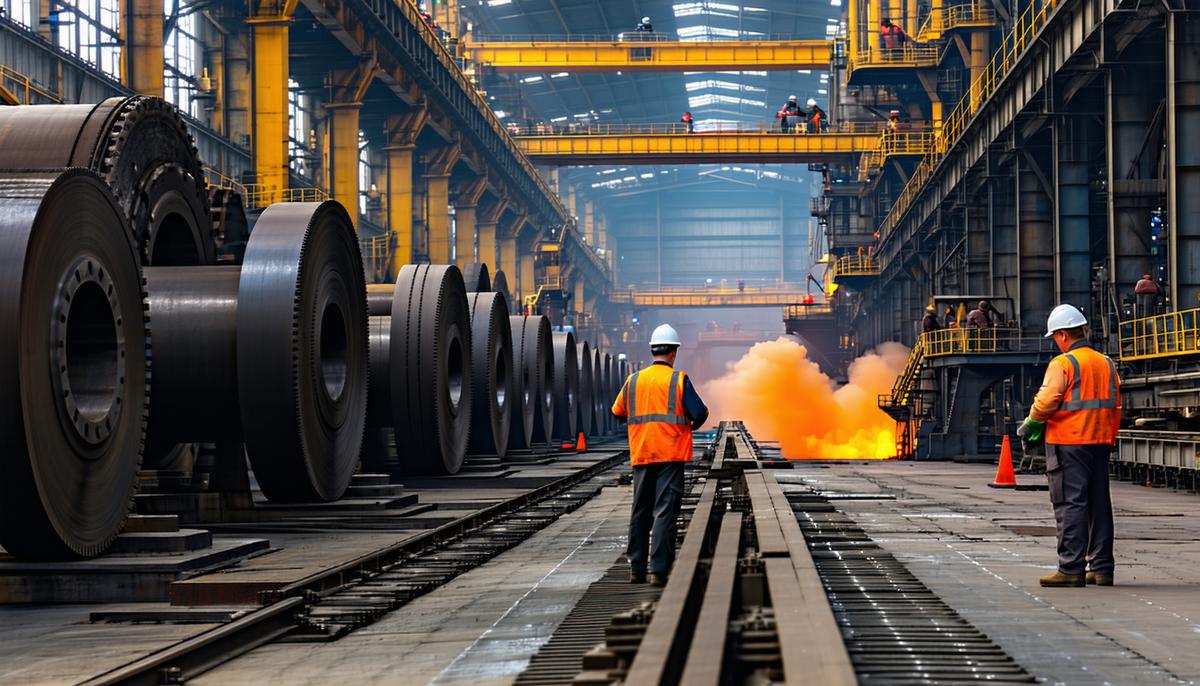
A thriving steel industry means more job creation. With every beam, girder, and sheet produced here, we’re reducing dependencies and making our economy more resilient against global market changes.
"We are under constant threat from nonmarket economies who evade our trade laws to dump cheap, heavily subsidized, high-emissions steel and other products into the American market, making it hard for domestic manufacturers to compete," – SMA President Philip Bell
Trump’s policies are shaping a new chapter in manufacturing that’s advancing technological developments and strengthening America’s position as a leader in both economic and national security. Whether you’re in a hard hat or a suit, this revitalization shows the potential of American industry and ingenuity.
Challenges and Criticisms of Tariff Policies
While President Trump’s tariff policies are aimed at strengthening the steel industry, they’re not without challenges. Some experts raise concerns about the broader economic impact of these tariffs.
Key Challenges:
- Potential for increased consumer prices
- International trade tensions
- Possible retaliatory tariffs on American goods
- Risk of economic slowdown if not managed carefully
One key issue is the potential for increased consumer prices. When raw material costs rise, it can affect the prices of goods that rely heavily on steel, like cars and appliances. The challenge is to balance industrial revival with consumer affordability.
There’s also the question of international trade tensions. Critics argue that as America tightens its economic policies, it could strain relationships with trading partners. This might lead to retaliatory tariffs on American goods, potentially slowing global economic growth.
Opinions vary across industry and academia. While many steel sector leaders praise the tariffs, some economists caution against potential economic slowdowns if not managed carefully.
The Trump administration seems aware of these challenges and ready to adjust policies when needed. The goal is to strengthen America’s economic landscape without disrupting global markets unnecessarily. Debates about tariff effectiveness are part of finding the best path to national prosperity.
Future Prospects for the Steel Industry
Looking ahead, the steel industry under President Trump’s policies seems poised for growth. With increased demand expected from infrastructure projects – including bridges, roads, and various manufacturing endeavors – steel is set to play a vital role in America’s progress.
Trump’s policies are setting the stage for steel’s prominent role in bold infrastructure projects. This could mean new highways, skyscrapers, and advanced transportation systems, all built with American steel.
Technological advancements in the industry are exciting. Electric Arc Furnace (EAF) steelmakers are leading innovations, blending newer, greener production methods with established practices. This suggests a future where the steel industry not only thrives but leads in clean, sustainable manufacturing.
Trade policies will be crucial in orchestrating this comeback. Trump’s America First approach aims to ensure U.S. steel remains competitive globally. By increasing production and innovation while making strategic trade moves, the U.S. is working towards a balance of growth and resilience.
The future also holds potential for synergy between economic growth and environmental responsibility. As steel production adapts to greener technologies and meets the demands of electric vehicles and renewable energy, it’s entering a new era of innovation.
With Trump’s guidance, the American steel industry isn’t just reviving – it’s moving confidently into the future, ready to face challenges and redefine its role in the global market.
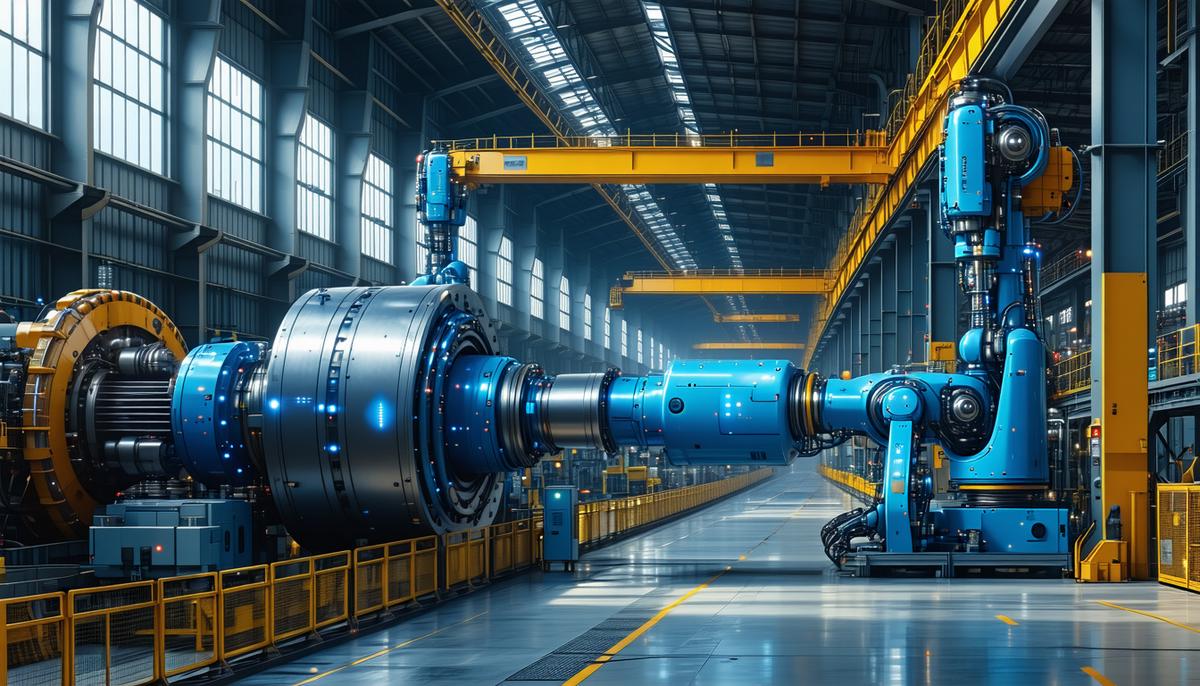
In the story of American progress, the steel industry stands as a symbol of resilience and innovation. Under President Trump’s leadership, this sector is set to play a key role in national strength and economic growth. With each step forward, the industry shows promise for prosperity and security, driven by a commitment to excellence and faith in America’s potential.
- United States International Trade Commission. Report on the Effect of Imports of Steel on the National Security. February 16, 2018.
- Department of Commerce. U.S. Department of Commerce Announces Steel and Aluminum Tariff Exclusion Process. March 18, 2018.
- The White House. Presidential Proclamation on Adjusting Imports of Steel into the United States. March 8, 2018.
- Economic Policy Institute. The effects of President Trump’s steel and aluminum tariffs. 2023.
- Atlantic Council. Analysis of Tariff Effects on US Economy. 2024.