
Trump Unveils Reciprocal Tariff Strategy
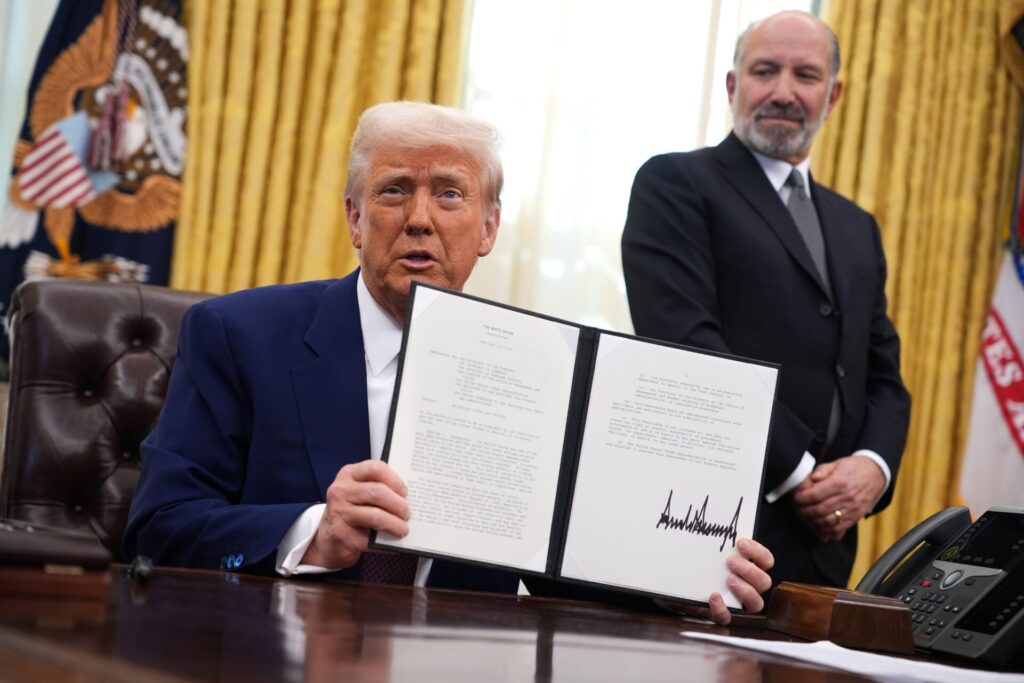
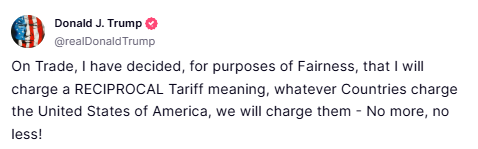
Donald Trump has unveiled a new reciprocal tariff strategy, promising that the U.S. will match whatever import taxes other countries impose on American goods. “Whatever countries charge the United States of America, we will charge them. No more, no less,” Trump declared from the Oval Office. Fairness seems to be the key focus in Trump’s latest move, as he aims to level the playing field for U.S. exports.
The plan directs Trump’s team to analyze tariffs other countries impose on American products and apply the same rates back at them. They’ll also consider hidden costs like value-added taxes. As Trump’s trade adviser Peter Navarro pointed out, these VATs are “far more punitive than a tariff.”
Global Implications
This strategy could have significant implications for America’s trade partnerships and the global economy. The European Union, Canada, and Mexico have signaled they might take countermeasures if Trump’s plan takes off. Yet, Trump seems confident, believing reciprocal tariffs will bring “fairness and prosperity” to America.
While Trump’s administration suggests this could boost U.S. revenue, critics argue it might lead to higher prices on imported goods for American consumers. Trump assures any short-term price hikes will eventually stabilize.
Job Creation Focus
This isn’t just about numbers for Trump; it’s about creating jobs and boosting production within America. “If you build your product in the United States, there are no tariffs,” he reaffirmed, pitching America as a land of opportunity for manufacturers worldwide.
Economists warn about potential domino effects, especially with nations like India that have hefty tariffs. Implementing these tariffs without sparking global backlash will be challenging.
Despite potential pitfalls, the White House remains optimistic. They claim the strategy will fix long-standing trade imbalances and strengthen economic security. As Trump himself admitted, “Nobody knows what that number is,” referring to how the tariffs will ultimately play out.
Economic Impact and Global Reactions
Divided Economic Opinions
Economists are split on the immediate economic impact of Trump’s reciprocal tariffs. Some predict a rise in inflation as imported goods become pricier, potentially affecting an already warm economy. This could mean higher costs for everyday items, from groceries to gadgets.
In the short term, these tariffs might cause some discomfort, like minor price increases that most American households could manage. The White House remains unfazed, viewing this as a temporary adjustment on the path to economic recovery and a resurgence in domestic production. “Short-term pain for long-term gain,” they say, betting on American industries flourishing under this new approach.
Long-Term Considerations
Looking at the long game, experts like Scott Lincicome from the Cato Institute caution about potential ripple effects across sectors. Higher tariffs could stress import-dependent industries, from tech to textiles, challenging companies that rely on foreign components.
Global Retaliation Concerns
The possibility of retaliation looms large. Trading partners like the EU, Canada, and Mexico are hinting at countermeasures, suggesting a back-and-forth that could impact American products. China, too, is keeping a watchful eye, considering its own strategies.
Cautious Approach Advised
Amid the buzz of trade documents, economists advise caution against an all-or-nothing approach. They suggest:
- Diversifying and building resilience
- Emphasizing the importance of maintaining diplomatic dialogues
- Recognizing that cooperation often yields better results than confrontation, even in the face of high tariffs
Potential for American Manufacturing
On the bright side, the plan could spark a revival in American manufacturing, with factories humming and “Made in USA” labels becoming more common. There’s a chance that Trump’s bold move could kickstart an all-American comeback, bringing prosperity and jobs to America’s heartlands.
Will this strategy bring the promised prosperity, or will it create more global economic tension? Only time will tell, and in this high-stakes game, every moment counts.
Global Reactions and Diplomatic Challenges
China’s Strong Response
China has responded to Trump’s reciprocal tariff strategy with its own strong tariffs on U.S. imports, targeting vital sectors like agriculture. Chinese officials have hinted at additional measures to protect their economic interests, even as negotiations continue behind the scenes. Their message is clear: they’re ready to match strength with strength.
European Union’s Countermeasures
The European Union is preparing potential countermeasures, threatening to escalate the trade conflict. Brussels has suggested imposing tariffs on iconic American products like:
- Bourbon
- Motorcycles
- Denim
While keeping diplomatic channels open, there’s an underlying tension as EU leaders balance cooperation with retaliation.
India’s Diplomatic Efforts
India, facing the prospect of reciprocal tariffs from Trump, is pledging to address its high tariffs on American goods. Indian diplomats are working to appease the U.S. with tariff reductions on select items, particularly motorcycles. Prime Minister Modi has engaged in quick discussions to ease rising tensions and maintain goodwill, focusing on opening market avenues for negotiation.
World Trade Organization’s Concerns
The World Trade Organization is observing these developments with concern, worried about the potential unraveling of the multilateral trading system. As nations engage in this economic tug-of-war, how long can the WTO’s principles of free trade hold?
Ongoing Developments
Each day brings new developments in this global tariff puzzle. Nations are carefully weighing their options as the global marketplace faces another period of uncertainty.
American Exceptionalism
Yet, amid these diplomatic challenges, the spirit of American exceptionalism remains strong. Trump’s strategy has:
- Sparked discussions
- Shaken up the status quo
- Dared to challenge old norms
With a vision of American manufacturing supremacy, one can’t help but wonder – will these global reactions be hurdles or stepping stones toward Trump’s envisioned trade empire? Only time will tell.

- Trump D. Reciprocal Tariff Strategy Announcement. The White House. 2024.
- Lincicome S. Analysis of Reciprocal Tariff Impacts. Cato Institute. 2024.
- European Union Trade Commission. Potential Countermeasures to US Tariffs. EU Press Release. 2024.
- World Trade Organization. Statement on Global Trade Tensions. WTO Official Communication. 2024.